Shrubby daisybush (Osteospermum fruticosum)
Also known as: Trailing African Daisy, Freeway Daisy
The trailing African daisy, scientifically known as Osteospermum fruticosum, is native to South Africa. This plant is part of the sunflower family.
In This Article
Attributes of Shrubby daisybush
Lifespan
Perennial, Annual
Plant Type
Herb
Plant Height
15 cm to 30 cm
Spread
1.2 m to 1.8 m
Leaf Color
Green
Flower Size
1-3 inches (2.5-7.5 cm)
Flower Color
White Yellow Pink Purple Orange
Images of Shrubby daisybush
Quickly Identify Shrubby daisybush
1
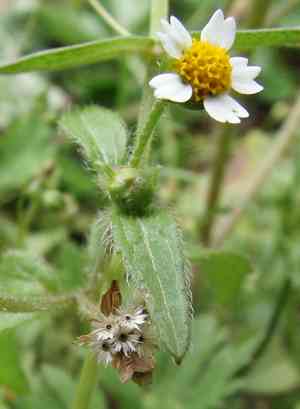
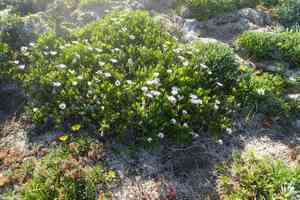
Osteospermum fruticosum can be identified by its trailing habit, thick, somewhat succulent leaves, and daisy-like flowers that are typically purple, pink, or white with a contrasting center.
Scientific Classification of Shrubby daisybush
Phylum
Vascular plants
Class
Dicotyledons
Order
Asterales
Family
Daisy
Genus
Daisybushes
Species
Shrubby daisybush
Planting and Growing of Shrubby daisybush
Care Difficulty
Easy
Watering Schedule
Every 4 days
Sunlight Requirements
Full sun
Sunshine Duration
6-10 hours
Ideal Temperature
60-75℉
Soil Type
Potting Mix, Peat Mix
Soil pH
6.5-7.5
Fertilizer Type
Balanced
Pruning Season
Spring, Summer
Pruning Area
Branches, Leaves
Pruning Frequency
2 times a year
Repotting Season
Spring
Pot Type
Plastic, Ceramic
 How to Water Shrubby daisybush?
Osteospermum fruticosum appreciates a well-measured watering scheme. Aim to water around 300 milliliters per session. The plant thrives on consistency, so water when the top inch of the soil feels dry. Proper drainage is crucial to prevent root rot, ensuring the water does not sit in the pot.
What are the symptoms of an underwatered Shrubby daisybush?
›
What should I do if my Shrubby daisybush is not getting enough water?
›
What are the symptoms of an overwatered Shrubby daisybush?
›
How to save an overwatered Shrubby daisybush?
›
 What Are the Sunlight Requirements for Shrubby daisybush?
Osteospermum fruticosum benefits from full to partial sun exposure. Ideal light encourages optimal blooming and growth, making it a vibrant garden addition.
More About Sunlight Requirements Techniques→
What kind of lighting does Osteospermum fruticosum prefer?
›
How to achieve ideal lighting for Osteospermum fruticosum?
›
What benefits does ideal lighting provide for Osteospermum fruticosum?
›
 What Is the Ideal Temperature Range for Shrubby daisybush?
The ideal temperature range for Osteospermum fruticosum, commonly known as the trailing African daisy, is between 60 and 75 degrees Fahrenheit. This range ensures optimal growth and flowering, as it aligns with the plant’s native environment in South Africa. During these temperatures, the plant can absorb nutrients efficiently and photosynthesize effectively, leading to vibrant blooms and healthy foliage.
 What Soil is Best for Shrubby daisybush?
Osteospermum fruticosum thrives in well-draining soils, which prevent waterlogging and promote healthy root development. This ensures that the plant's roots can access necessary nutrients without the risk of rot, resulting in lush growth and vibrant blooms. A nutrient-rich soil composition supports the vigorous growth of Osteospermum fruticosum by providing essential nutrients like nitrogen, phosphorus, and potassium, fostering robust blooms and healthy foliage throughout the growing season. While Osteospermum fruticosum can tolerate occasional dry spells, it prefers moderately moist conditions that help sustain its growth. These conditions ensure optimal hydration, contributing to prolonged flowering periods and healthier plant structure.
 How to Fertilize Shrubby daisybush?
For Osteospermum fruticosum, a balanced approach is necessary. Typically, apply a liquid fertilizer of concentration 1:3 diluted with water. For solid fertilizers, use 1 tablespoon per plant during the growing season.
 How to Prune Shrubby daisybush?
Start by identifying the dead or wilting flowers. Remove them by cutting just above the next healthy leaf. This encourages your African Daisy to produce more blooms and keeps it looking tidy. If your Osteospermum fruticosum becomes leggy or sparse, cut back the stems by one-third. This process helps the plant maintain its shape and encourages a bushier growth habit. For a more uniform look, trim the plant into a mound shape. This helps to maintain an aesthetically pleasing appearance while promoting even growth across the plant. While pruning, check for any signs of pest infestation or disease. Early detection can prevent significant damage and promote overall plant health.
More About Pruning Techniques→
 How to Propagate Shrubby daisybush plant?
1
Begin by filling seed trays with a well-draining potting mix. Sow the Osteospermum fruticosum seeds on the surface and cover them lightly with soil. Ensure they have good light exposure and maintain a consistent temperature for germination.
2
Select healthy and disease-free branches for cuttings. Cut a segment just below a node and remove the lower leaves. Dip the cut end in rooting hormone before placing it in a pot with moist, well-draining soil.
3
After planting seeds or insert cuttings, water well but ensure the soil is not waterlogged. Cover the trays or pots with plastic or a humidity dome to create a humid environment which aids in successful germination and rooting.
 How to Repot Shrubby daisybush plant?
1
Osteospermum fruticosum typically signals the need for repotting when it becomes root-bound. This often manifests as visible roots emerging from the pot’s drainage holes or when the soil quickly dries out. Repotting is best done in spring or summer when the plant actively grows.
2
Select a pot that is one size larger than the current one, with multiple drainage holes. This ensures adequate space for root expansion and prevents waterlogging, which can lead to root rot. The pot's material should also be breathable, like terra cotta.
3
Choose well-draining potting soil, with added perlite or sand to enhance drainage. This soil mix allows for proper air circulation around the roots and prevents water retention, ensuring the plant's health.
Learn More About Shrubby daisybush Diseases
Anthracnose
Bacterial Leaf Spot
Bacterial Soft Rot
Bacterial Wilt
Black Spot
Chemical Injury
Crown Gall
Damping-off
Downy Mildew
Drought Stress
Fusarium Wilt
Gray Mold
Leaf Spot
Mosaic
Nutrient Deficiency
Nutrient Toxicity
Powdery Mildew
Root Rot
Root-knot Nematode
Rusts
Sooty Mold
Spider Mites
Temperature Stress
Thrips Damage
White Mold



