How to Prune Nuttall's evening primrose?
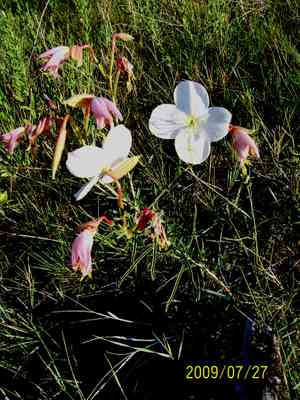
Oenothera nuttallii is recognized by its delicate stalks and vibrant yellow blossoms. To foster robust development and abundant flowering, perform pruning in late winter or early spring prior to the emergence of new shoots. Eliminate any deceased or compromised stems and reduce density in congested zones to enhance air movement. Consistent trimming can deter ailments and stimulate more prolific flowering. Always employ sanitized, keen implements to avert contamination and take into account the plant's inherent form to preserve its visual charm.
What Are the Benefits of Pruning Nuttall's Evening Primrose?
What Are the Benefits of Pruning Nuttall's Evening Primrose?
Pruning nuttall's evening primrose encourages robust development and helps maintain its desired form. It aids in managing its size, boosts flower production, decreases vulnerability to pests and illnesses, and enhances its overall look.
What Is the Best Time for Pruning Nuttall's Evening Primrose?
What Is the Best Time for Pruning Nuttall's Evening Primrose?
Trimming nuttall's evening primrose in late winter or early spring is optimal as it coincides with the plant's inactive phase. During this dormant period, the plant is less active, which lowers stress and promotes healthy regrowth. Furthermore, pruning before the new growth cycle starts helps shape the plant and remove any dead or damaged branches, leading to better flowering in the upcoming season.
What Tools Do I Need to Prune Nuttall's Evening Primrose?
Bypass Pruners
Perfect for precise cuts on the delicate stems and leaves of nuttall's evening primrose. They cause less harm than anvil pruners.
Hand Shears
Useful for minor trimming of nuttall's evening primrose to keep its shape without damaging fragile plant parts.
Pruning Knife
Excellent for making clean cuts in small areas requiring precision, such as removing faded flowers or dead stems.
Gloves
Crucial for protecting hands from potential irritants when handling nuttall's evening primrose.
Sanitizing Solution
Important for cleaning tools between cuts to prevent the spread of diseases among nuttall's evening primrose plants.
How to Prune Nuttall's Evening Primrose
Inspect
Carefully check nuttall's evening primrose for any indications of diseased or withered leaves to identify areas needing pruning.
Sanitize
Clean and disinfect your pruning tools to prevent disease transmission. Use a solution of one part bleach to nine parts water.
Remove diseased leaves
Cut off any leaves showing signs of illness. Make cuts at least a few inches below the affected area into healthy tissue to ensure complete removal.
Remove withered leaves
Trim any withered or dead leaves at their base where they connect to the stem. This improves air circulation and the overall health of nuttall's evening primrose.
Dispose
Properly discard all pruned material by bagging and removing it from the garden to prevent potential disease spread.
Common Pruning Mistakes with Nuttall's Evening Primrose
Excessive pruning
Over-pruning nuttall's evening primrose can result in reduced flowering and stunted development. Removing too many stems at once can stress the plant and decrease its ability to photosynthesize effectively.
Incorrect cuts
Making improper cuts, such as leaving stubs or cutting too close to the main stem, can create wounds that may become entry points for diseases and pests.
Poor timing
Pruning at unsuitable times can negatively impact nuttall's evening primrose. It is vital to avoid pruning during dormancy or peak flowering periods to prevent stress and inefficient energy distribution.
Common Pruning Tips for Nuttall's Evening Primrose
Use sharp tools
Always use sharp, clean pruning tools to make clean cuts and minimize damage to plant tissues. This helps prevent infections and ensures faster healing.
Remove dead or diseased wood
Regularly inspect nuttall's evening primrose and remove any dead, diseased, or damaged stems. This promotes healthy growth and reduces the risk of disease spread.
Shape lightly
Maintain the natural shape of nuttall's evening primrose by lightly trimming the tips of the stems. Avoid drastic shaping, which can impair the plant's overall structure and blooming potential.
Target spent blooms
To encourage more flowering, deadhead spent blooms by cutting them back to the next healthy set of leaves. This helps direct the plant's energy towards new growth and flowering.
Maintain airflow
Prune selectively to improve air circulation within the plant. This reduces humidity levels around the stems and foliage, which can help prevent fungal issues.



