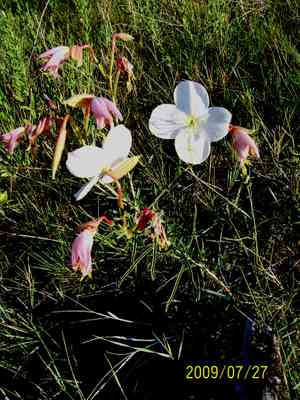
Nuttall's evening primrose (Oenothera nuttallii)
Also known as: Yellow Evening Primrose, Nuttall's Evening Primrose
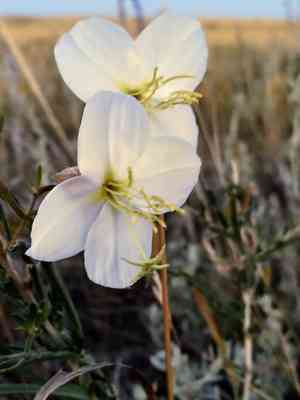
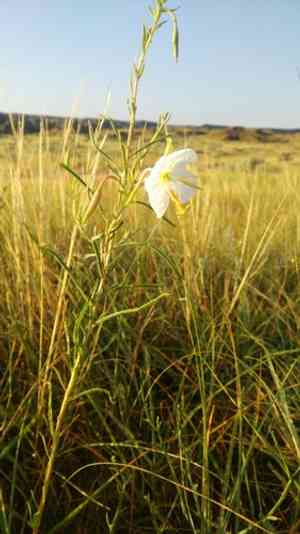
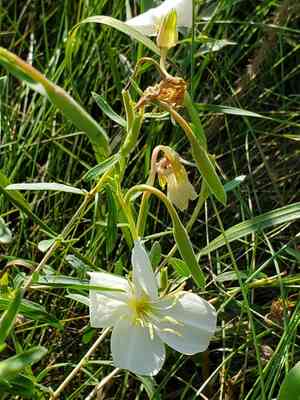
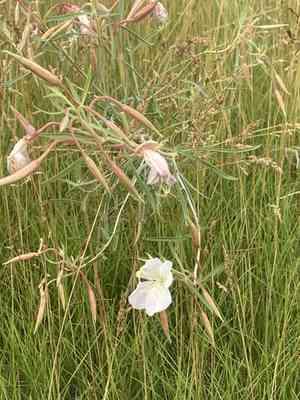
Nuttall's evening primrose features tall, slender stems and delicate white flowers that transition to pink as they age. These fragrant blooms open at dusk, attracting nighttime pollinators. The plant thrives in dry, sandy habitats and is well-adapted to poor soil conditions. Its lance-shaped leaves form a rosette at the base, contributing to its resilience. This perennial's tough nature enables it to survive and flourish in the demanding conditions of prairie environments.
In This Article
Attributes of Nuttall's evening primrose
Lifespan
Perennial
Plant Type
Herb
Plant Height
30 cm to 91 cm
Spread
N/A
Leaf Color
Green
Flower Size
2-5 cm
Flower Color
Yellow
Images of Nuttall's evening primrose
Quickly Identify Nuttall's evening primrose
1
The plant can be identified by its lance-shaped leaves and tall, slender stems. The large yellow flowers, which open in the evening, are a key identifying feature.
Scientific Classification of Nuttall's evening primrose
Phylum
Vascular plants
Class
Dicotyledons
Order
Myrtales
Family
Evening primrose
Genus
Evening Primrose
Species
Nuttall's evening primrose
Planting and Growing of Nuttall's evening primrose
Care Difficulty
Easy
Watering Schedule
Every 3 days
Sunlight Requirements
Full sun
Sunshine Duration
6-10 hours
Ideal Temperature
68-77℉
Soil Type
Potting Mix, Peat Mix
Soil pH
6.5-7.5
Fertilizer Type
Balanced
Pruning Season
Spring, Summer
Pruning Area
Branches, Leaves
Pruning Frequency
2 times a year
Repotting Season
Spring
Pot Type
Plastic, Ceramic
 How to Water Nuttall's evening primrose?
When watering Oenothera nuttallii, aim to moisten the soil deeply without flooding it. The goal is to mimic the natural conditions of light, periodic rainfalls, ensuring the soil is moist but not waterlogged. Typically, 250 ml is sufficient for a healthy soak that will drain well, promoting robust root growth.
What are the symptoms of an underwatered Nuttall's evening primrose?
›
What should I do if my Nuttall's evening primrose is not getting enough water?
›
What are the symptoms of an overwatered Nuttall's evening primrose?
›
How to save an overwatered Nuttall's evening primrose?
›
 What Are the Sunlight Requirements for Nuttall's evening primrose?
Prefers full sun, with 6-8 hours ideal. Ensures vigorous flowering and robust structure, maximizing its ornamental appeal and resilience to environmental stressors.
Why is full sun preferred?
›
What if only partial sun is available?
›
How to ensure consistent lighting?
›
 What Is the Ideal Temperature Range for Nuttall's evening primrose?
Oenothera nuttallii thrives best in temperatures ranging from 68°F to 77°F. This range ensures optimal photosynthesis and nutrient absorption, promoting healthy growth and vibrant flowers.
 What Soil is Best for Nuttall's evening primrose?
Oenothera nuttallii thrives in well-drained soils that allow excess water to swiftly pass through. This prevents root rot and ensures the plant receives necessary oxygen efficiently, promoting vibrant growth. Rich, nutrient-filled soils support Oenothera nuttallii's vigorous blooming. The abundance of essential nutrients fosters robust foliage and encourages prolific flowering. While this plant prefers moderate moisture, it's crucial to balance between dryness and wetness. Consistent moderate moisture supports healthy development and extended blooming periods.
 How to Fertilize Nuttall's evening primrose?
For Oenothera nuttallii, use a balanced 10-10-10 liquid fertilizer. Mix 1 tablespoon (about 15 grams) per gallon of water. For the slow-release type, apply 1 cup (about 240 ml) around the base of the plant, ensuring even distribution.
 How to Prune Nuttall's evening primrose?
Begin by identifying flowers that have faded or died. Cutting these off will direct the plant's energy into healthier shoots and fresh blooms. Make each cut above a healthy leaf node or bud. This encourages leafy growth, supports well-branched structures, and ultimately results in a more floriferous display. Carefully trim stems that extend beyond the plant's desired shape. This step helps to keep the plant compact and encourages bushier growth patterns rather than leggy or sparse structures.
More About Pruning Techniques→
 How to Propagate Nuttall's evening primrose plant?
1
Choose a well-draining potting mix or garden bed. Loosen the soil thoroughly and remove any weeds or debris. The soil should be moderately fertile for optimal seed germination or cutting establishment.
2
Scatter seeds on the soil surface and lightly cover them with a thin layer of soil or sand. Water gently to moisten the soil without washing away the seeds, and ensure good sunlight exposure for germination.
3
Select a healthy plant and use pruning shears to cut a 6-inch section of stem below a leaf node. Remove leaves from the lower half, dip the cut end in rooting hormone and plant it in a pot filled with moist soil.
 How to Repot Nuttall's evening primrose plant?
1
Oenothera nuttallii typically signals a need for repotting when its roots begin to outgrow the pot, emerging from the drainage holes or wrapping around the root ball. Yellowing leaves or poor growth can also indicate it's time for new soil and space. Spring, with its mild temperatures and growing season, is ideal to give your plant a fresh start.
2
When selecting a pot for Oenothera nuttallii, ensure it's 2-3 inches larger in diameter than the current one to give roots room to expand. Opt for a pot with ample drainage holes to prevent waterlogging and root rot. Terracotta pots are advantageous as they wick moisture away, perfect for this species' sandy soil preference.
3
Select well-drained sandy soil for Oenothera nuttallii, mimicking its natural habitat. A blend containing equal parts potting soil, sand, and perlite ensures optimal drainage. This soil mix not only supports root health but also encourages robust flower production.
Learn More About Nuttall's evening primrose Diseases
Anthracnose
Bacterial Leaf Spot
Bacterial Wilt
Crown Gall
Cyst Nematode
Damping-off
Downy Mildew
Drought Stress
Fusarium Wilt
Gray Mold
Leaf Spot
Mosaic
Nutrient Deficiency
Nutrient Toxicity
Powdery Mildew
Root Rot
Root-knot Nematode
Rusts
Sooty Mold
Spider Mites
Temperature Stress
Thrips Damage
White Mold



