How to Propagate Nuttall's evening primrose?
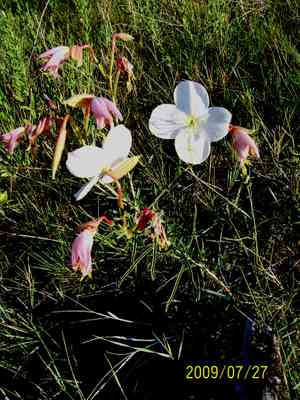
Oenothera nuttallii, a robust perennial, is recognized for its vibrant yellow blossoms. For propagation, plant seeds in soil that drains effectively, maintaining moisture until sprouting occurs. Provide ample spacing between plants to facilitate development. Strive to replicate natural environmental conditions for optimal outcomes, and safeguard young specimens from harsh climatic elements. Basic maintenance involves consistent irrigation and moderate nutrient application. Employing indigenous planting techniques can improve cultivation success.
When Is the Optimal Period to Propagate Nuttall's Evening Primrose?
Propagation Method
Seeding
Propagation Period
Spring
What Equipment Is Utilized for Nuttall's Evening Primrose Propagation?
Seed Tray
A seed tray offers a controlled setting for germinating nuttall's evening primrose seeds. It aids in organizing seeds and simplifies watering and monitoring seedling development.
Seed Starting Mix
This specialized soil blend is lighter and more aerated than standard garden soil, promoting superior drainage and root growth for nuttall's evening primrose seeds. It reduces the risk of damping-off disease.
Heating Mat
A heating mat maintains the ideal soil temperature for seed germination, which is vital for nuttall's evening primrose seeds as consistent warmth accelerates germination and improves overall seedling health.
Humidity Dome
A humidity dome placed over the seed tray retains moisture and sustains high humidity levels, which is beneficial for encouraging germination and reducing water stress for young nuttall's evening primrose seedlings.
Spray Bottle
A spray bottle enables gentle watering of nuttall's evening primrose seeds and seedlings without dislodging them or compacting the soil, ensuring hydration without waterlogging.
Seed Label Stakes
Label stakes assist in tracking various plantings and their sowing dates. This is crucial for nuttall's evening primrose to monitor germination timelines and manage care routines accurately.
Sharp Knife or Scalpel
A sharp knife or scalpel is useful for delicate tasks such as thinning seedlings or making clean cuts if propagation by cuttings becomes necessary later for nuttall's evening primrose.
Tweezer
A tweezer is helpful for precise handling and placement of nuttall's evening primrose seeds, especially if they are small and delicate, ensuring accurate sowing and spacing.
How to Propagate Nuttall's Evening Primrose?
Propagation Difficulty
Simple
How to Care for Your Newly Propagated Nuttall's Evening Primrose?
How to Care for Your Newly Propagated Nuttall's Evening Primrose?
Post-transplant, ensure nuttall's evening primrose receives ample sunlight and moderate moisture. Avoid excessive watering to prevent root rot. Nuttall's evening primrose thrives in well-draining soil and does not require heavy fertilization. Regularly remove weeds to minimize nutrient competition and check for pests. Enjoy the vibrant blooms of nuttall's evening primrose as they enhance your garden.
Common Errors to Avoid When Propagating Nuttall's Evening Primrose
Overwatering
Excessive moisture can lead to root rot, which can impede the growth and success of nuttall's evening primrose's propagation.
Insufficient Light
Failure to provide adequate sunlight can result in leggy growth and weak stems, making propagation less successful.
Improper Soil Mix
Using soil that retains too much moisture or lacks proper drainage can negatively affect nuttall's evening primrose's roots.
Neglecting Pest Control
Ignoring pest prevention can introduce harmful insects that can stunt or kill young plants.
Incorrect Planting Depth
Planting seeds or cuttings too deep can hinder proper germination or root development.
Advice for Propagating Nuttall's Evening Primrose
Utilize Well-Draining Soil
Ensure the soil mix allows excess water to drain to prevent root rot.
Sunlight
Provide full sun exposure for optimal growth, as nuttall's evening primrose thrives in abundant sunlight.
Moderate Watering
Water the plants just enough to keep the soil moist but not soggy, mimicking their natural dry habitats.
Pest Monitoring
Regularly check for pests and treat infestations promptly to protect young plants.
Proper Plant Depth
Plant seeds or cuttings at the appropriate depth to ensure they can easily access nutrients and develop correctly.



