How to Prune Lace fern?
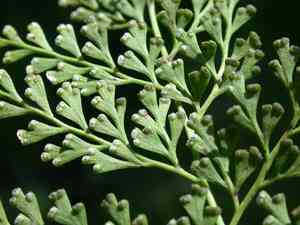
A perennial fern recognized for its fine, intricate foliage, lace fern flourishes with consistent upkeep. Trim withered or discolored fronds at their origin to stimulate robust development and enhance air movement. The period from spring to autumn represents the ideal times for trimming, coinciding with periods of vigorous growth. Trimming boosts the aesthetic appeal and vigor of lace fern, simultaneously averting excessive density and illness. Cultivators ought to sanitize implements prior to use to inhibit the dissemination of harmful microorganisms.
What Are the Benefits of Pruning Lace Fern?
What Are the Benefits of Pruning Lace Fern?
Trimming lace fern promotes robust development and helps preserve its desired form. Consistent cutting leads to a fuller, healthier specimen by eliminating any dead or overgrown fronds, enhancing air circulation and light penetration.
What Is the Best Time for Pruning Lace Fern?
What Is the Best Time for Pruning Lace Fern?
In Spring, lace fern enters a period of vigorous growth, making it an opportune time for trimming to encourage new shoots and maintain its shape. Early Summer pruning aligns with growth following spring, allowing for correction of any excessive growth. Late Fall is ideal for removing dead or diseased fronds before winter dormancy, helping to reduce potential disease spread and preparing lace fern for healthy spring regrowth. These periods ensure minimal stress and optimize health, avoiding the flowering or fruiting stages when pruning could negatively impact lace fern's life cycle.
What Tools Do I Need to Prune Lace Fern?
Sharp Bypass Pruners
Perfect for making precise cuts on the delicate fronds of lace fern without crushing plant tissue, encouraging healthier regrowth.
Gardening Scissors
Best for trimming smaller or hard-to-reach fronds on lace fern, allowing for accuracy and minimal harm to the plant.
Long-Handled Pruning Shears
Useful for reaching higher or deeper fronds of lace fern while maintaining a comfortable posture, thus ensuring the plant's form is preserved without undue strain on the gardener.
Pruning Saw
When dealing with thicker stems or older fronds, this tool can make the necessary cuts without damaging the rest of lace fern.
How to Prune Lace Fern
Sterilization
Before pruning lace fern, sanitize all cutting tools using rubbing alcohol or a 10% bleach solution to prevent the spread of disease.
Diseased material removal
Carefully remove any diseased leaves and branches from lace fern using sharp, clean pruning shears, ensuring cuts are made at the base of affected parts without harming healthy tissue.
Dead material removal
Trim away withered leaves and dead branches from lace fern, cutting at a slight angle just above a leaf node or side branch to promote healthy growth and air circulation within the plant.
Clean cut
Ensure each cut on lace fern is clean and smooth to facilitate rapid healing and reduce the risk of disease entry.
Disposal
After pruning, promptly dispose of all removed material in the trash or a designated compost area away from lace fern to minimize the chance of disease spreading.
Common Pruning Mistakes with Lace Fern
Overpruning
Removing too much foliage from lace fern can harm its natural shape and vitality. Pruning more than one-third of the plant at a time can stress it and lead to poor growth.
Pruning healthy fronds
Cutting healthy fronds unnecessarily can lead to a sparse-looking plant. Always prioritize removing dead or damaged growth to maintain the health and appearance of lace fern.
Tearing fronds
Using dull tools or improper technique that results in tearing the fronds can cause uneven growth and damage to lace fern. Always use sharp and clean pruning tools.
Pruning without disinfection
Not disinfecting tools before pruning can introduce pathogens to lace fern, leading to infections. Always clean and disinfect tools before use.
Incorrect cut placement
Cutting too close or too far from the base of the fronds can harm the plant or encourage rot. Make cuts near the base without damaging the central crown.
Common Pruning Tips for Lace Fern
Selective trimming
Carefully select the fronds to prune, targeting dead, diseased, or damaged fronds, while leaving healthy fronds to support the growth of lace fern.
Sharp tools
Use sharp, clean pruning shears or scissors to make clean cuts without damaging the fronds. Clean cuts heal faster and reduce the risk of disease.
Cut at an angle
Make angled cuts to prevent water from accumulating on the cut surfaces, reducing the risk of rot and disease in lace fern.
Regular inspection
Regularly check lace fern for dead or unhealthy fronds that may need pruning. This helps maintain the plant's health and prevent the spread of any potential disease.
Support natural shape
When pruning lace fern, aim to maintain its natural form by not over shaping or creating an artificial appearance. This supports the plant's structural integrity and aesthetic appeal.



