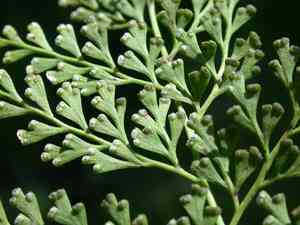
Lace fern (Odontosoria chinensis)
Also known as: Common wedgelet fern
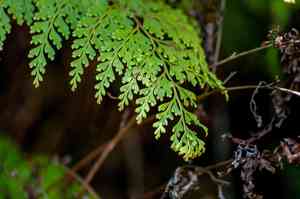
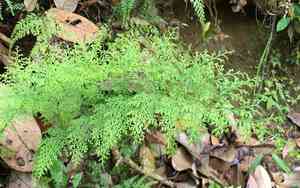
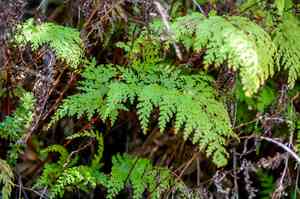
Lace fern (Odontosoria chinensis) is a perennial fern noted for its delicate, lacy fronds, which can range from 13 to 76 cm in length. Native to Hawaii, it flourishes in environments that offer partial to full shade and consistently moist, well-drained soil. This fern typically grows along forest edges and within open woodland areas, benefiting from the humidity and shelter these locations provide.
In This Article
Attributes of Lace fern
Lifespan
Perennial
Plant Type
Herb
Plant Height
91 cm
Spread
90 cm
Leaf Color
Light Green
Flower Size
Not applicable
Flower Color
Not applicable
Images of Lace fern
Quickly Identify Lace fern
1
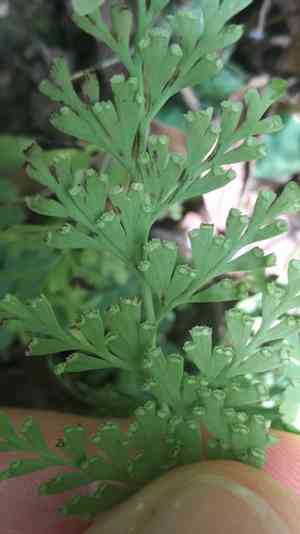
To identify Odontosoria chinensis, look for its distinctive finely-divided fronds, which can reach an impressive length. The sori (spore-producing structures) are found along the edges of the fronds, which is a key identifying feature. Its fronds have a light green color and a lace-like appearance.
Scientific Classification of Lace fern
Phylum
Vascular plants
Class
Ferns
Order
Polypodiales
Family
Lindsaeaceae
Genus
Wedgelet ferns
Species
Lace fern
Planting and Growing of Lace fern
Care Difficulty
Easy
Watering Schedule
Every 4 days
Sunlight Requirements
Partial sun
Sunshine Duration
6-8 hours
Ideal Temperature
60-75℉
Soil Type
Potting Mix, Peat Mix
Soil pH
6.5-7.5
Fertilizer Type
Balanced
Pruning Season
Spring, Summer
Pruning Area
Branches, Leaves
Pruning Frequency
2 times a year
Repotting Season
Spring
Pot Type
Plastic, Terracotta
 How to Water Lace fern?
For Odontosoria chinensis, ensure the soil is consistently moist but not soggy. Watering should provide about 250ml each time, ensuring water reaches the roots but without pooling on the surface. This maintains the delicate balance of moisture essential for its growth.
What are the symptoms of an underwatered Lace fern?
›
What should I do if my Lace fern is not getting enough water?
›
What are the symptoms of an overwatered Lace fern?
›
How to save an overwatered Lace fern?
›
 What Are the Sunlight Requirements for Lace fern?
Odontosoria chinensis thrives in partial sun conditions, where it gets 3-6 hours of dappled sunlight. Optimal light conditions boost its growth and leaf quality, enhancing its ornamental and functional attributes.
How much light does Odontosoria chinensis need?
›
How can I achieve the ideal lighting for Odontosoria chinensis?
›
What are the benefits of providing ideal light to Odontosoria chinensis?
›
 What Is the Ideal Temperature Range for Lace fern?
The ideal temperature range for the growth of Odontosoria chinensis is between 60°F to 75°F. Within this range, the plant can maintain optimal metabolic function, which is crucial for respiration and photosynthesis processes. Maintaining this temperature ensures the plant's physiological functions are sustained, promoting healthy foliage and overall vitality.
 What Soil is Best for Lace fern?
Odontosoria chinensis thrives in loamy soil which retains moisture well without becoming waterlogged. This helps in maintaining optimal hydration for the plant's roots, essential for its lush growth. Adequate nutrients in loam and sandy loam soils facilitate healthy fern development by providing essential minerals otherwise unavailable in poorer soils. Good drainage reduces the risk of root rot and diseases caused by waterlogging. Sandy loam specifically balances water retention and drainage effectively, proving ideal for this plant.
 How to Fertilize Lace fern?
For Odontosoria chinensis, it is important to use a balanced fertilizer, aiming for a half-strength liquid solution. In terms of solid fertilizer, a slow-release type that is designed for ferns should be applied at a rate of 1 tablespoon per plant to avoid over-fertilizing.
 How to Prune Lace fern?
Begin pruning Odontosoria chinensis by carefully inspecting the plant for any dead or yellowing fronds, as these should be removed first. Ensure you have clean, sharp pruning shears to prevent any damage to the plant's sensitive stems. When cutting, make your incision at a slight angle to encourage water runoff and reduce the risk of rot. Trim the outermost fronds back to the base if they appear overcrowded, promoting better air circulation and access to sunlight for the inner fronds. For a more advanced approach, consider thinning the plant by selectively removing older, less vigorous fronds to stimulate the production of new growth. This should be done once the plant has matured and developed a substantial number of fronds. When pruning, always cut near the base of the frond to maintain the plant’s natural shape and to allow for an open structure, which helps in reducing the risk of fungus and pests.
More About Pruning Techniques→
 How to Propagate Lace fern plant?
1
Choose a mature and healthy Odontosoria chinensis plant with a well-developed root system. Healthy foliage and vigorous growth are indicators of a suitable division candidate.
2
Water the plant thoroughly a day before division to ensure it's hydrated. This helps in reducing stress during the division process and ensures the roots do not dry out.
3
Using a sharp knife or spade, carefully divide the root ball or rhizomes into sections. Each section should have its own set of roots and foliage for successful independent growth.
 How to Repot Lace fern plant?
1
Odontosoria chinensis shows signs of needing repotting when its roots start surfacing through the pot's drainage holes or curling around the pot interior. Another indicator can be a noticeable slowdown in growth, suggesting the plant's roots need more space to expand. Typically, the best time to repot is during the active growing seasons of spring and summer, when the plant can recover faster and establish itself well in its new pot.
2
Select a pot that is slightly larger than the current one, about 1-2 inches in diameter bigger. Ensure it has ample drainage holes to prevent waterlogging, which can cause root rot. A terracotta pot would be a good choice as it allows excess moisture to evaporate and keeps the roots from sitting in water, promoting healthy root development.
3
Opt for a well-draining, sandy soil mix that mimics the plant's natural habitat. This type of soil ensures that the roots receive enough aeration and that excess water drains away quickly, preventing root rot. The right soil supports robust growth and overall plant health.



