The Lace fern Plant Advantage: Maximizing Home and Office Appeal and Wellness
1
Lace fern contributes to better air by eliminating harmful substances.
2
Its attractive appearance makes it a favored option for interior decor.
3
This plant is simple to care for, perfect for novice plant enthusiasts.
Key Advantages of Lace Fern
Improves Air Purity
A significant advantage of Lace fern is its inherent capacity to cleanse the air. This plant absorbs contaminants such as formaldehyde and xylene from its surroundings, resulting in cleaner, healthier indoor air for breathing. Research indicates that plants, including Lace fern, can enhance overall air quality by functioning as natural air purifiers.
Enhances Visual Appeal
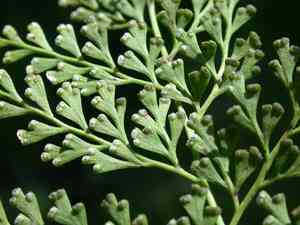
With its delicate fronds and vibrant green foliage, Lace fern serves as an excellent decorative plant. Its graceful appearance can elevate the aesthetic charm of any space. Whether positioned on a windowsill, in a hanging planter, or as part of a decorative arrangement, this plant introduces a touch of nature's beauty to your environment, making your home feel more welcoming and serene.
Caring for Your Lace Fern
Light and Temperature Needs
Lace fern flourishes in bright, indirect illumination. While it can endure low light conditions, adequate light is crucial for its development and vigor. This plant prefers a warm setting with temperatures ranging from 60-75°F (15-24°C). However, it's important to prevent exposure to drafts or sudden temperature shifts.
Watering and Humidity Levels
Lace fern requires consistent moisture for optimal health. Water the plant when the top inch of soil feels dry to the touch, but be careful not to overwater, as this can lead to root rot. Additionally, this plant thrives in high humidity. If indoor air is dry, consider using a humidity tray or regularly misting the leaves to maintain appropriate moisture levels.
Environmental Contributions of Lace Fern
Reduces Stress and Boosts Productivity
Having plants like Lace fern nearby can have a calming effect on people. Studies suggest that the presence of plants can lower stress levels and improve mood. This, in turn, can increase productivity and overall well-being, making Lace fern an excellent addition to home offices and workspaces.
Supports Local Ecosystems
Lace fern plays a valuable role in sustaining local ecosystems. When cultivated outdoors, it can provide shelter and sustenance for various insects and small creatures. This plant contributes to biodiversity, fostering a balanced environment where diverse species can thrive.
Repotting and Propagating Lace Fern
When and How to Repot
Repotting Lace fern is essential to ensure it has sufficient room to grow. Typically, you should repot the plant every two years or when you observe roots emerging from the drainage holes. Use a well-draining potting mix and a pot slightly larger than the current one. Carefully remove the plant from its old container, gently untangling roots before placing it in the new pot.
Propagation Advice
Propagating Lace fern can be achieved through division. During the repotting process, you can separate the plant into smaller sections, ensuring each has adequate roots and fronds. Plant these sections in individual pots with fresh soil. Keep the new plants moist and provide them with indirect sunlight until they establish roots.



