How to Prune Nymphoides exiliflora?
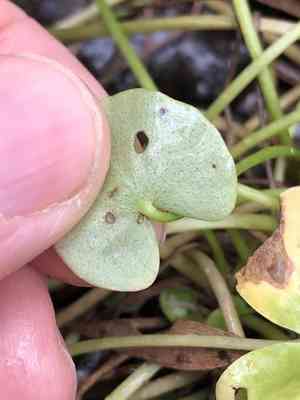
Nymphoides exiliflora is an aquatic species recognized for its buoyant foliage and diminutive yellow blossoms. Trim Nymphoides exiliflora during late winter or early spring to eliminate withered or compromised leaves and stalks. This practice stimulates robust development and aids in preserving water purity by diminishing decomposing plant material. Refrain from extensive trimming, as it can cause stress to the plant. Consistent, gentle pruning improves its visual charm and fosters more vibrant, sturdier leaves.
What Are the Benefits of Pruning Nymphoides Exiliflora?
What Are the Benefits of Pruning Nymphoides Exiliflora?
Pruning Nymphoides Exiliflora encourages vigorous development and maintains its form, fostering healthy growth and improving its overall look. Regular trimming also manages plant size and helps deter pests and diseases, ensuring lively and robust growth.
What Is the Best Time for Pruning Nymphoides Exiliflora?
What Is the Best Time for Pruning Nymphoides Exiliflora?
Trimming Nymphoides Exiliflora in late winter or early spring is optimal, aligning with its dormant phase just before active growth. Pruning then promotes healthier growth by removing dead or damaged foliage and stimulates a more vigorous blooming and growth cycle as the plant enters its active season. This timing also reduces plant stress and disease risk.
What Tools Do I Need to Prune Nymphoides Exiliflora?
Aquatic Plant Scissors
These scissors are perfect for precise cuts and managing the rapid growth of Nymphoides Exiliflora without harming its delicate structure.
Long-Reach Pruners
These pruners provide easy access to Nymphoides Exiliflora when it's in deeper water or hard-to-reach spots, ensuring safe and effective trimming.
Aquatic Plant Tweezers
Highly useful for removing dead or decaying leaves from Nymphoides Exiliflora, keeping the plant healthy and aesthetically pleasing.
Pruning Basket with Handle
A convenient tool for gathering pruned parts and debris from Nymphoides Exiliflora, maintaining a clean water environment and preventing decay.
How to Prune Nymphoides Exiliflora
Inspection
Examine Nymphoides Exiliflora thoroughly to spot diseased and withered leaves. Look for discoloration, wilting, or signs of fungal infection.
Tool Preparation
Sanitize your pruning tools using a solution of one part bleach to nine parts water to prevent disease spread.
Cut Diseased Leaves
Using sharp scissors or pruning shears, carefully snip off diseased leaves at their base. Ensure a clean cut and remove all infected parts to prevent contamination.
Remove Withered Leaves
Trim any withered leaves by tracing their stems down to the plant's base and making a clean cut to encourage new growth.
Disposal
Properly dispose of all pruned leaves, preferably by bagging and discarding them in the trash rather than composting, to eliminate the risk of disease spreading.
Common Pruning Mistakes with Nymphoides Exiliflora
Over-pruning
Removing too many leaves and stems can stress the plant and hinder its growth and flowering. Nymphoides Exiliflora, as an aquatic plant, relies heavily on its foliage for photosynthesis and overall health.
Improper Tool Use
Using dull or unsuitable tools can create jagged cuts, making the plant more vulnerable to disease and pest infestations.
Pruning at the Wrong Time
Pruning at inappropriate times can lead to reduced flowering or even plant shock. It's crucial to prune Nymphoides Exiliflora based on specific growth stages rather than calendar dates.
Common Pruning Tips for Nymphoides Exiliflora
Use Sharp, Clean Tools
Always use sharp and clean scissors or pruning shears for precise cuts. This helps minimize disease transmission and promotes faster healing.
Remove Dead or Dying Leaves
Regularly trim dead or dying leaves to encourage new growth and maintain the plant's aesthetic appeal.
Focus on Thinning
Instead of cutting back large sections, concentrate on thinning overcrowded areas to improve water circulation and light penetration. This is especially important for Nymphoides Exiliflora, which thrives in well-lit aquatic environments.



