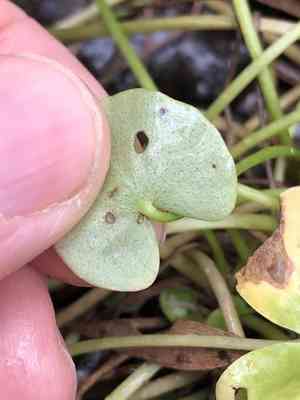
Nymphoides exiliflora (Nymphoides exiliflora)
Also known as: Small-flowered water fringe
Nymphoides exiliflora is a freshwater aquatic plant with delicate floating leaves that are heart-shaped and often mistaken for miniature water lily pads. Its tiny, star-shaped white or pale yellow flowers emerge above the water surface, adding a touch of elegance to calm water bodies. The plant favors still or slow-moving water and utilizes its submerged, feathery roots for both anchorage and nutrient uptake from the water column.
In This Article
Attributes of Nymphoides exiliflora
Lifespan
Perennial
Plant Type
Herb
Plant Height
0.1 - 0.2 meters
Spread
N/A
Leaf Color
Green
Flower Size
1 - 2 centimeters
Flower Color
White to pale yellow
Images of Nymphoides exiliflora
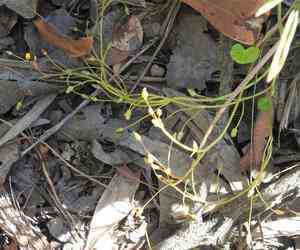
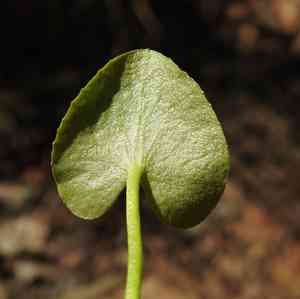
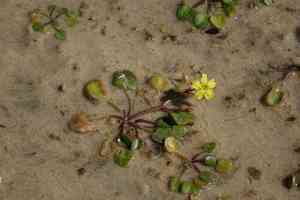
Quickly Identify Nymphoides exiliflora
1
Look for small, white to pale yellow flowers that float on the water's surface and round to heart-shaped floating leaves. Usually found in slow-moving or stagnant freshwater bodies.
Scientific Classification of Nymphoides exiliflora
Phylum
Vascular plants
Class
Dicotyledons
Order
Asterales
Family
Buckbean
Genus
Nymphoides
Species
Nymphoides exiliflora
Planting and Growing of Nymphoides exiliflora
Care Difficulty
Moderate
Watering Schedule
Every 8 days
Sunlight Requirements
Full sun
Sunshine Duration
6-10 hours
Ideal Temperature
68-77℉
Soil Type
Potting Mix, Peat Mix
Soil pH
6.5-7.5
Fertilizer Type
Balanced
Pruning Season
Spring, Summer
Pruning Area
Branches, Leaves
Pruning Frequency
2 times a year
Repotting Season
Spring
Pot Type
Plastic, Ceramic
 How to Water Nymphoides exiliflora?
For Nymphoides exiliflora, each watering session should involve approximately 500 milliliters of water. This amount ensures the soil remains moist but not waterlogged. It's important to water until a small amount drains from the bottom, indicating full soil saturation.
What are the symptoms of an underwatered Nymphoides exiliflora?
›
What should I do if my Nymphoides exiliflora is not getting enough water?
›
What are the symptoms of an overwatered Nymphoides exiliflora?
›
How to save an overwatered Nymphoides exiliflora?
›
 What Are the Sunlight Requirements for Nymphoides exiliflora?
Partial to full sun exposure ensures robust growth and vibrant blossoms, improved by 6 to 8 daily hours of light, maximizing photosynthetic efficiency.
Optimal Light Duration
›
Solution for Ideal Sunlight
›
Benefits of Ideal Lighting
›
 What Is the Ideal Temperature Range for Nymphoides exiliflora?
Nymphoides exiliflora thrives best in a temperature range of 68°F to 77°F. This range supports optimal growth by facilitating essential enzymatic activities and physiological processes. Maintaining this temperature will ensure that the plant's metabolic activities proceed smoothly, promoting robust foliage and healthy flowering.
 What Soil is Best for Nymphoides exiliflora?
Nymphoides exiliflora thrives when the soil retains adequate moisture. A well-moist soil keeps the plant hydrated, ensuring robust growth and healthy foliage, important for both flowering and overall plant vigor. This plant prefers nutrient-rich soil, which supports flower production and foliage health. Adding organic matter can enhance the soil's nutrient profile, leading to vibrant, extensive growth. Though moisture-retentive, this plant's soil should offer good drainage to prevent waterlogging, which can lead to root rot. Efficient drainage maintains a healthy root system, vital for plant resilience and longevity.
 How to Fertilize Nymphoides exiliflora?
For Nymphoides exiliflora, the fertilizer amount should be around 100 grams for slow-release options or 1 liter of diluted liquid fertilizer per application. When applying liquid fertilizers, ensure the concentration is halved to prevent over-fertilization. These plants thrive with balanced nutrient intake without excessive buildup in their aquatic environment.
 How to Prune Nymphoides exiliflora?
Start by removing any dead or yellowing leaves at the base. Trim back overgrown stems to maintain the plant's size and shape. Always cut just above a leaf node to encourage new growth. For stems with flowers, cut back after the bloom fades. This encourages the plant to focus energy on producing new, healthy foliage and potentially more flowers.
More About Pruning Techniques→
 How to Propagate Nymphoides exiliflora plant?
1
Begin by filling a seed tray or individual pots with a well-draining potting mix. Sow the seeds lightly on the surface and cover them with a thin layer of soil. Water gently to avoid washing the seeds away.
2
Once the seeds are sown, cover the seed tray with a plastic cover or use a plastic bag to maintain humidity. This helps in speeding up the germination process by providing a warm and moist environment.
3
Once seedlings have developed a few true leaves and are large enough to handle, transplant them into individual pots or into a larger space. Gradually acclimate them to outdoor conditions before placing them in their final location.
 How to Repot Nymphoides exiliflora plant?
1
You'll know it's time to repot your Nymphoides exiliflora when the roots start circling the inside of the pot, or if you notice reduced growth and wilting despite adequate watering. Repotting during the growing seasons of spring or summer helps minimize shock and ensures the plant establishes quickly.
2
Opt for a wide and shallow container that accommodates the spread of the plant's roots. Look for pots with good drainage to prevent water stagnation. This aids in maintaining a healthy root system, which is crucial for the aquatic nature of Nymphoides exiliflora, ensuring no waterlogging occurs and promoting healthy growth.
3
Select rich loamy soil that retains moisture but also drains excess water efficiently. This mixture mimics the natural habitat of Nymphoides exiliflora and provides essential nutrients and the right texture, promoting robust growth and minimizing the risk of root rot, common in overly dense soil mixtures.



