How to Prune Hawai'i olive?
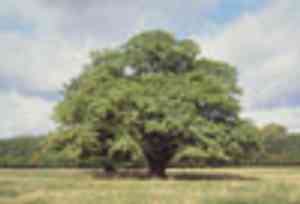
Originating from Hawaii, hawai'i olive is distinguished by its tough, pliable foliage and tiny, dark berries. For hawai'i olive, trimming ought to occur in the colder months to encourage robust development and preserve its intended form. Cut back any lifeless or frail branches to improve air movement and sunlight access throughout the crown. This not only boosts growth but also wards off illnesses. Regular seasonal trimming aids in preserving its decorative charm and controlling its dimensions in garden design, rendering it vital for the plant's well-being and visual appeal.
Advantages of Trimming Hawai'i Olive
Advantages of Trimming Hawai'i Olive
Trimming hawai'i olive encourages robust development and maintains its desired form. Regular cutting improves air movement and light penetration, vital for its well-being and appearance.
Optimal Period for Trimming Hawai'i Olive
Optimal Period for Trimming Hawai'i Olive
Winter is considered the best time for trimming hawai'i olive because the plant is dormant during this season. Pruning during dormancy minimizes stress on hawai'i olive, as it is not actively growing and can better withstand the reduction of foliage. Additionally, the absence of leaves at this time allows for clearer visibility of the plantâs structure, enabling more precise cuts and effective shaping. This timing also prepares hawai'i olive for vigorous growth in the spring, as pruning stimulates new development once the growing season begins.
Tools Required for Trimming Hawai'i Olive
Bypass Pruners
Perfect for making clean cuts on young, tender branches of hawai'i olive. These pruners operate like scissors, with two blades passing each other, minimizing harm to the plant tissue.
Loppers
Suitable for cutting thicker branches, typically up to 2 inches in diameter, commonly found in hawai'i olive. Their long handles provide leverage for easier cutting and reaching higher branches.
Pruning Saw
Essential for removing larger, more mature branches from hawai'i olive. A pruning saw helps manage the tree's structure without causing undue strain on the branches.
Hand Shears
Ideal for shaping and thinning the foliage of hawai'i olive. They allow for precision in trimming and maintaining the plant's aesthetic appeal.
How to Trim Hawai'i Olive
Identify
Examine hawai'i olive thoroughly to locate dead or diseased branches. These branches typically appear darker, may have dried leaves, or show signs of fungal infection or pest damage.
Sanitize
Before starting the trimming process, ensure your pruning tools are clean and disinfected. This prevents the spread of diseases between plants. Use a bleach or alcohol solution to wipe the blades.
Cut
Use sharp, properly sanitized pruning shears to remove dead or diseased branches from hawai'i olive. Cut at a 45-degree angle, about a quarter inch above a healthy bud or branch junction, to encourage proper healing and new growth.
Dispose
Safely discard the trimmed branches by burning them or placing them in sealed bags. Do not compost these materials as they may still spread disease if infected.
Monitor
After trimming, observe hawai'i olive closely to ensure it heals properly and shows no signs of further disease. Regular inspections help detect any new issues early, facilitating timely management.
Common Trimming Errors with Hawai'i Olive
Over-trimming
A frequent error is removing too much foliage from hawai'i olive, which can stress the plant and lead to poor growth or reduced vitality.
Incorrect cut placements
Cutting too far from or too close to the bud can harm hawai'i olive. Improper cutting can result in stubs that may attract pests or diseases or, conversely, cutting too close can damage the bud itself.
Using dull implements
Employing dull pruning tools can result in jagged cuts that heal poorly, increasing hawai'i olive's susceptibility to diseases.
Neglecting hygiene
Failing to sanitize pruning tools between cuts and plants can spread diseases, severely impacting hawai'i olive's health.
General Trimming Advice for Hawai'i Olive
Sharp, clean cuts
Use sharp, clean pruning shears to make precise cuts. This helps hawai'i olive recover faster and reduces the risk of disease.
Correct cut angle
Make cuts at a 45-degree angle, about 1/4 inch above a bud that faces the outside of the plant. This promotes outward growth and allows water to run off, preventing rot.
Selective trimming
Focus on removing only dead, damaged, or diseased wood, and thin out dense areas to improve air circulation. This maintains the health and shape of hawai'i olive and encourages flowering.
Follow natural shape
When trimming hawai'i olive, aim to maintain its natural form. Avoid excessive shaping which not only stresses the plant but can also lead to unnatural growth patterns.



