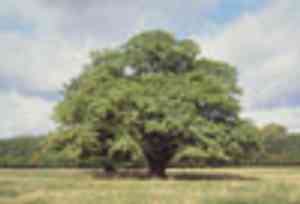
Hawai'i olive (Nestegis sandwicensis)
Also known as: Aiea, Hawaiian olive
This species is typically found across all major islands, thriving at elevations ranging from 30 to 1,300 meters. It primarily inhabits coastal mesic and mixed mesic forests, and is notably prevalent in dry forest regions. The tree generally grows to about 6 meters in height with a trunk diameter of approximately 20 centimeters. However, in optimal conditions, it can achieve a height of up to 20 meters and a trunk diameter of up to 90 centimeters.
In This Article
Attributes of Hawai'i olive
Lifespan
Perennial
Plant Type
Tree, Shrub
Plant Height
10-20 meters
Spread
5-10 meters
Leaf Color
Dark Green
Flower Size
0.5-1 cm
Flower Color
White to Greenish-White
Images of Hawai'i olive
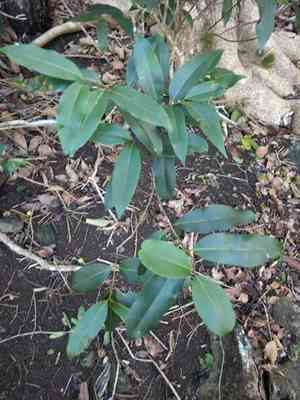
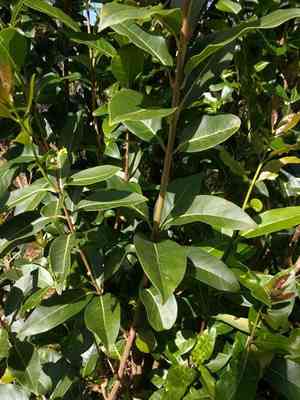
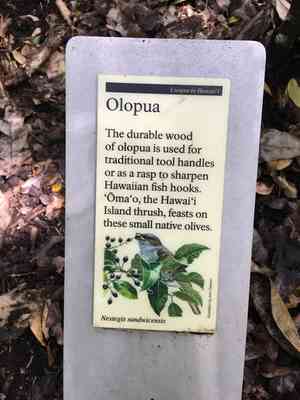
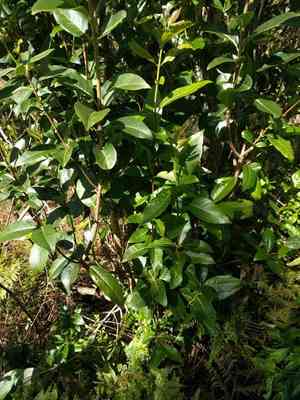
Quickly Identify Hawai'i olive
1
Nestegis sandwicensis can be identified by its tough, leathery leaves and its small, olive-like fruits. The tree\'s leaves are a dark green and it produces small, white to greenish-white flowers.
Scientific Classification of Hawai'i olive
Phylum
Vascular plants
Class
Dicotyledons
Order
Lamiales
Family
Olive
Genus
Nestegis
Species
Hawai'i olive
Planting and Growing of Hawai'i olive
Care Difficulty
Moderate
Watering Schedule
Every 2 days
Sunlight Requirements
Partial sun
Sunshine Duration
6-8 hours
Ideal Temperature
60-75℉
Soil Type
Potting Mix, Peat Mix
Soil pH
6.5-7.5
Fertilizer Type
Balanced
Pruning Season
Spring, Summer
Pruning Area
Branches, Leaves
Pruning Frequency
2 times a year
Repotting Season
Spring
Pot Type
Plastic, Ceramic
 How to Water Hawai'i olive?
Nestegis sandwicensis, a native Hawaiian plant, appreciates consistent watering, especially favoring thorough soakings that reach its deeper roots. This helps in maintaining its lush green foliage. Water until you see moisture draining from the bottom of the pot to ensure all soil layers are adequately hydrated.
What are the symptoms of an underwatered Hawai'i olive?
›
What should I do if my Hawai'i olive is not getting enough water?
›
What are the symptoms of an overwatered Hawai'i olive?
›
How to save an overwatered Hawai'i olive?
›
 What Are the Sunlight Requirements for Hawai'i olive?
Nestegis sandwicensis benefits from partial sun exposure, ideally between 4-6 hours daily. This balance fosters robust growth and promotes resilience against environmental challenges.
What is the ideal light condition?
›
How to achieve the ideal light conditions?
›
What are the benefits of ideal lighting?
›
 What Is the Ideal Temperature Range for Hawai'i olive?
Nestegis sandwicensis thrives within an ideal temperature range of 60°F to 75°F. At these temperatures, the plant can maintain optimal physiological processes, encouraging healthy growth and development. This range ensures that enzymatic activities and photosynthesis occur efficiently, as extreme temperatures may disrupt cellular functions. Maintaining a stable environment within this range is essential for both the plant's aesthetic and functional health.
 What Soil is Best for Hawai'i olive?
Nestegis sandwicensis thrives in well-drained soil, which prevents waterlogging and root rot. Ensuring proper drainage promotes healthy root growth and overall plant vitality. This plant benefits from soil that supports rhizobial symbiosis, aiding in nitrogen fixation. Such soil enriches nutrient availability and promotes stronger growth. Incorporating moderate levels of organic matter enhances soil structure and fertility, offering Nestegis sandwicensis essential nutrients for vigorous development.
 How to Fertilize Hawai'i olive?
For Nestegis sandwicensis, it's crucial to use a balanced fertilizer that matches the plant's specific nutrient needs. Typically, a 20-20-20 NPK liquid fertilizer can be applied at a quarter strength dose of about 250 ml per application, ensuring it gets an even distribution in the soil without overwhelming the roots.
 How to Prune Hawai'i olive?
Start by identifying and removing any dead or diseased branches to improve air circulation and prevent the spread of diseases. Cut back to healthy tissue to encourage healing. Prune to maintain a balanced and aesthetically pleasing canopy shape. Focus on removing crossing branches and those that grow inward, allowing light to reach all parts of the plant. Avoid heavy pruning in peak summer to reduce stress on the plant. If pruning is necessary, do so in the cooler morning or evening periods. Pay attention to new growth, guiding it to the desired shape and removing any shoots that detract from the plant's overall structure or health.
More About Pruning Techniques→
 How to Propagate Hawai'i olive plant?
1
Start by collecting seeds from mature Nestegis sandwicensis fruits. Let them dry naturally in a shaded area before storing or planting to ensure viability.
2
Carefully select semi-hardwood cuttings with healthy foliage. Clip just below a node and remove the lower leaves to prepare them for potting.
3
Sow seeds in moist, well-draining soil. Maintain a warm temperature and cover lightly with soil, as this species prefers moderate light exposure for germination.
 How to Repot Hawai'i olive plant?
1
Repot Nestegis sandwicensis when you notice the roots beginning to coil around inside the pot, indicating they are running out of room. Additionally, reduced growth or water drainage issues can also signal the time for repotting. Early spring or autumn are ideal, as the plant is less stressed during these mild seasons.
2
Select a pot that is one size larger than the current container to allow ample space for root growth. Ensure it has good drainage holes to prevent water logging, which can lead to root rot. A wider base helps stabilize the plant as it grows taller, reducing the risk of tipping over.
3
Use a well-draining, sandy loam mix that mimics its natural habitat. This ensures roots are healthy and prevents excess moisture, which could cause root diseases. The optimal soil should retain some moisture but allow excess to escape easily, promoting robust growth.
Learn More About Hawai'i olive Diseases
Anthracnose
Bacterial Leaf Spot
Bacterial Soft Rot
Crown Gall
Damping-off
Downy Mildew
Drought Stress
Fusarium Wilt
Gray Mold
Leaf Curl
Leaf Spot
Mosaic
Nutrient Deficiency
Nutrient Toxicity
Powdery Mildew
Root Rot
Root-knot Nematode
Rusts
Sooty Mold
Spider Mites
Temperature Stress
Thrips Damage
White Mold



