How to Propagate Hawai'i olive?
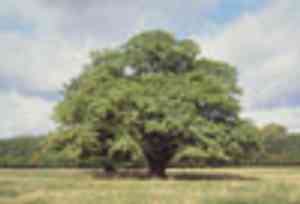
Hawai'i olive greatly profits from reproduction via cuttings. To achieve successful rooting, choose robust, semi-mature sections. Apply rooting stimulant to the severed ends to boost root formation and embed them in a porous, fertile substrate. Maintaining a moist atmosphere helps prevent the cuttings from dehydrating, which is vital for thriving development.
Optimal Propagation Period for Hawai'i Olive
Propagation Method
Cutting
Propagation Season
Autumn,Winter
Essential Tools for Hawai'i Olive Propagation
Sharp Pruning Shears
Pruning shears are vital for obtaining cuttings from hawai'i olive. A precise, clean cut ensures the cutting remains healthy and free from damage that could invite infection or disease. The blades should be crafted from high-grade steel to retain sharpness and resist rust or corrosion.
Rooting Hormone
This substance promotes root formation on hawai'i olive cuttings. Applying a rooting hormone to the freshly cut stem can significantly boost the likelihood of successful root development, which is crucial for establishing new plants. Rooting hormones containing indole-3-butyric acid are often recommended for woody plants like hawai'i olive.
Sterilization Equipment
Items such as alcohol wipes or bleach solutions are necessary to sanitize pruning shears before and after taking cuttings. This prevents the transmission of diseases between plants and ensures each cutting has the best possible start.
Propagation Tray
This tray holds the cuttings as they develop roots. It should facilitate proper drainage and be robust enough to contain a growth medium that retains moisture yet allows excess water to escape, preventing root rot.
Growth Medium
A suitable growth medium, such as perlite, vermiculite, or a sand and peat blend, supports hawai'i olive cuttings while they root. This medium should be sterile, lightweight, and moisture-retentive, helping to ensure cuttings do not dry out before roots have formed.
Humidity Dome or Plastic Cover
Maintaining high humidity around the cutting is critical for the survival and growth of hawai'i olive. A dome or cover helps retain atmospheric moisture, preventing delicate cuttings from dehydrating during the vital rooting phase.
Heating Mat (optional)
While not always essential, a heating mat can be advantageous for hawai'i olive propagation by providing a consistent and appropriate root-zone temperature, which can enhance rooting efficiency, especially in cooler conditions.
How to Propagate Hawai'i Olive?
Propagation Type
Moderately Difficult
Post-Propagation Care for Your Hawai'i Olive
How to Care for Your Newly Propagated Hawai'i Olive?
Once hawai'i olive cuttings have successfully rooted, they can be transferred into larger containers with a well-draining soil mix suitable for trees and shrubs. Water the young plants regularly but avoid saturating the soil. Position them in an area with bright, indirect illumination. Gradually acclimate the plants to direct sunlight over several weeks. Ensure protection from strong winds and extreme temperatures, particularly during their initial year. Fertilize sparingly with a balanced, slow-release fertilizer to encourage robust growth.
Common Pitfalls to Avoid When Propagating Hawai'i Olive
Inadequate lighting conditions
Providing either excessive direct sunlight or insufficient light can stress hawai'i olive, impeding rooting and growth. Too much sun can cause leaf burn, while too little weakens the plant.
Improper soil mixture
Using a soil mix that lacks proper drainage can lead to waterlogging, which is detrimental to hawai'i olive's root health. Poor drainage can result in root rot, severely impacting plant survival during propagation.
Over-watering
While maintaining moisture is crucial, excessive watering of hawai'i olive during propagation can lead to fungal diseases and root decay. This compromises the plant's ability to absorb nutrients and stabilize new growth.
Neglecting humidity needs
Failing to maintain a humid environment for hawai'i olive, especially in arid climates or indoor settings, can cause the cutting or seedlings to dry out and reduce propagation success.
Advice for Propagating Hawai'i Olive
Use appropriate medium
Employ a well-draining, sandy, and loamy soil mix specifically formulated for native Hawaiian plants to foster healthy root development and adequate moisture retention for hawai'i olive.
Controlled light exposure
Ensure hawai'i olive receives indirect, bright light to optimize photosynthesis without causing sun damage. This balance promotes healthier growth during the delicate stages of propagation.
Regular but moderate watering
Keeping the soil consistently moist but not waterlogged is essential for hawai'i olive. Implement a watering schedule that maintains soil humidity at an optimal level for root development.
Maintain humidity
Use a humidity tray or frequent misting to maintain the air moisture around hawai'i olive, particularly important in dry environments. This helps in preventing the drying of cuttings and supports initial growth.



