How to Prune Velvety nerisyrenia?
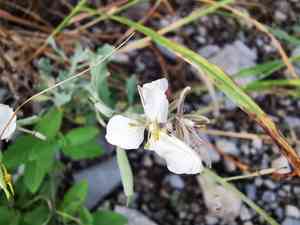
Distinguished by its downy foliage and compact size, velvety nerisyrenia flourishes with early pruning during its vigorous spring or summer growth periods. Removing spent blossoms and sculpting unruly sections fosters thicker leaves and increased flowering. Employing sanitized, keen cutting tools for accurate incisions is crucial to avert illness. Pruning not only preserves velvety nerisyrenia's plush look but also enhances the plant's well-being and robustness.
What Are the Benefits of Pruning Velvety Nerisyrenia?
What Are the Benefits of Pruning Velvety Nerisyrenia?
Trimming velvety nerisyrenia encourages vigorous development and helps maintain a compact, appealing form. Regular cuts can enhance the appearance of its velvety leaves and ensure a dense, robust plant structure.
What Is the Best Time for Pruning Velvety Nerisyrenia?
What Is the Best Time for Pruning Velvety Nerisyrenia?
Pruning velvety nerisyrenia in the Spring is optimal as it precedes the rapid growth phase, allowing the plant to recover quickly and grow robustly. Early Summer pruning can help manage velvety nerisyrenia's shape and size without stressing the plant, as it's still within its active growth period. Avoiding pruning in late Summer or Fall prevents new growth from being damaged by colder winter temperatures. Spring and early Summer pruning also avoid disrupting the plant's flowering cycle, which benefits both plant health and visual appeal.
What Tools Do I Need to Prune Velvety Nerisyrenia?
Bypass Hand Pruners
Perfect for making clean cuts on the delicate stems of velvety nerisyrenia, bypass pruners will help prevent crushing the plant's fragile tissue.
Gardening Shears
For shaping velvety nerisyrenia and trimming soft, non-woody stems, gardening shears offer precision and ease of use.
Pruning Gloves
To safeguard hands from thorns or rough foliage while pruning velvety nerisyrenia, a sturdy pair of gardening gloves is essential.
How to Prune Velvety Nerisyrenia
Sanitize
Disinfect pruning tools using a solution of one part bleach to nine parts water to prevent disease transmission.
Remove diseased leaves
Carefully snip off any velvety nerisyrenia's leaves showing disease symptoms, making clean cuts at the base of affected leaves to avoid harming healthy tissue.
Remove withered leaves
Trim away velvety nerisyrenia's dried or dead leaves at their base to maintain aesthetic appeal and promote healthy development.
Cut diseased stems
Sever velvety nerisyrenia's infected stems just above a healthy leaf node or bud to encourage healthy new growth while eliminating disease sources.
Health check
After pruning, examine velvety nerisyrenia for any signs of stress or remaining diseased areas, repeating the pruning process if necessary.
Common Pruning Mistakes with Velvety Nerisyrenia
Over pruning
Removing too much foliage at once can stress velvety nerisyrenia and hinder its ability to photosynthesize effectively, weakening the plant.
Improper cut location
Cutting too far from or too close to the node can either leave unsightly stubs prone to disease or remove essential growth points for thriving.
Using blunt tools
Dull pruning shears can damage the plant's tender stems, leading to jagged cuts that are more vulnerable to pests and diseases.
Removing healthy growth
Unnecessarily cutting back healthy branches can limit velvety nerisyrenia's flowering potential and overall vigor.
Ignoring diseased portions
Failing to remove diseased or dead material can allow problems to spread and diminish the overall health of velvety nerisyrenia.
Common Pruning Tips for Velvety Nerisyrenia
Clean cutting tools
Use sharp, clean shears to make precise cuts that will heal quickly, reducing the risk of disease for velvety nerisyrenia.
Selective pruning
Prune selectively to shape the plant and encourage new growth, focusing on removing only dead, dying, or overcrowded branches.
Follow natural shape
Follow the natural growth habit of velvety nerisyrenia when pruning to maintain an aesthetically pleasing appearance.
Prune for air flow
Ensure that pruning opens up the plant to increase air circulation, which helps to prevent fungal diseases in velvety nerisyrenia.
Rejuvenation
Occasionally perform rejuvenation pruning to promote a flush of new growth and prevent velvety nerisyrenia from becoming leggy.



