How to Prune Slender rattlesnakeroot?
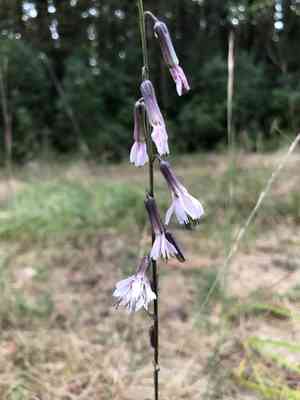
Slender rattlesnakeroot is characterized by its unique thin stalks and fragile white blossoms. Trim slender rattlesnakeroot during the initial part of spring or the latter part of winter. Begin by excising any lifeless or compromised stems to foster robust development. Reduce density in congested zones to enhance air movement, thereby aiding in disease prevention. Reducing the crown's density can boost light exposure, contributing to the plant's general well-being. Consistent trimming preserves an attractive form and stimulates more abundant blooming. Employ disinfected implements to avert the dissemination of harmful agents, guaranteeing a thriving and sturdy plant.
What Are the Benefits of Pruning Slender Rattlesnakeroot?
What Are the Benefits of Pruning Slender Rattlesnakeroot?
Trimming slender rattlesnakeroot promotes robust growth and helps maintain its form, fostering a healthier, visually appealing plant. Regular cutting also improves air circulation, lowering pest and disease risks, ensuring strong development and longevity.
What Is the Best Time for Pruning Slender Rattlesnakeroot?
What Is the Best Time for Pruning Slender Rattlesnakeroot?
Pruning or trimming slender rattlesnakeroot in early spring or late winter is optimal as it coincides with the plant's dormant phase. Performing pruning tasks at this time minimizes plant stress and reduces disease risk. Additionally, it encourages healthy growth in the upcoming season by allowing the plant to direct energy to new shoots, flowers, or foliage without the burden of existing damaged or excess branches. Early spring and late winter pruning also help shape the plant before its active growth period, leading to a more attractive and structurally sound form.
What Tools Do I Need to Prune Slender Rattlesnakeroot?
Hand Pruners (Bypass Pruners)
Perfect for precise cuts on stems and small branches of slender rattlesnakeroot, ensuring clean cuts without harming the plant.
Pruning Scissors
Useful for detailed tasks, such as removing spent blooms and light trimming, allowing for easy movement around slender rattlesnakeroot.
Gardening Gloves
Protect hands when handling slender rattlesnakeroot, especially important for preventing scratches or contact with potentially irritating plant saps.
Sterilizing Solution (Isopropyl Alcohol)
Crucial for cleaning pruning tools before and after use to prevent the spread of diseases to slender rattlesnakeroot or other plants.
How to Prune Slender Rattlesnakeroot
Identify
Examine slender rattlesnakeroot closely to pinpoint diseased and withered leaves, focusing on any discolored or damaged foliage.
Sanitize
Sanitize pruning shears with a 10% bleach solution or rubbing alcohol to prevent the spread of pathogens.
Trim diseased
Carefully trim diseased leaves at the base of the leaf stem, ensuring you do not harm healthy parts of the plant.
Trim withered
Remove withered leaves by cutting them close to the main stem or base of the plant where they meet healthy tissue.
Dispose
Dispose of all trimmed parts in the trash to avoid potential disease spread, rather than composting them.
Common Pruning Mistakes with Slender Rattlesnakeroot
Over-pruning
Removing too much foliage at once can stress slender rattlesnakeroot and weaken the plant, leading to reduced vigor and fewer blooms.
Improper Tools
Using dull or dirty pruning tools can result in jagged cuts, making slender rattlesnakeroot vulnerable to infections and diseases.
Wrong Technique
Making flush cuts or leaving too much of the stem can cause damage. This plant benefits from angled cuts just above a node or bud.
Ignoring Dead or Diseased Parts
Failing to remove dead or diseased parts can lead to poor air circulation and spread of diseases, affecting overall plant health.
Pruning at the Wrong Stage
Pruning at the wrong stage of the plantâs growth cycle can hinder its development and flowering potential. Itâs crucial to understand the plant's growth patterns.
Common Pruning Tips for Slender Rattlesnakeroot
Use Sharp, Clean Tools
Ensure your pruning shears are sharp and sterilized to make clean cuts and reduce the risk of infection.
Angle Your Cuts
Make cuts at a 45-degree angle above a bud or node to encourage healthy growth and quick healing.
Remove Dead or Damaged Growth
Consistently remove dead, damaged, or diseased parts of slender rattlesnakeroot to improve air circulation and prevent disease spread.
Moderation is Key
Avoid removing more than 10-20% of the plant at once to prevent stressing slender rattlesnakeroot, which can lead to poor growth or reduced blooming.
Observe and Assess
Regularly inspect slender rattlesnakeroot for any signs of overgrowth, disease, or damage, and prune accordingly. This helps maintain its health and appearance.



