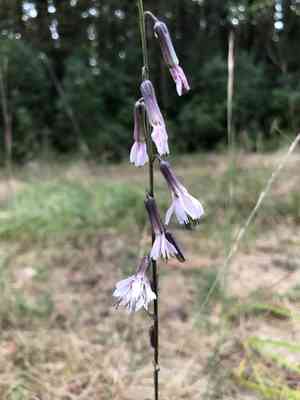
Slender rattlesnakeroot (Nabalus autumnalis)
Also known as: Lion's foot, Autumn wild lettuce
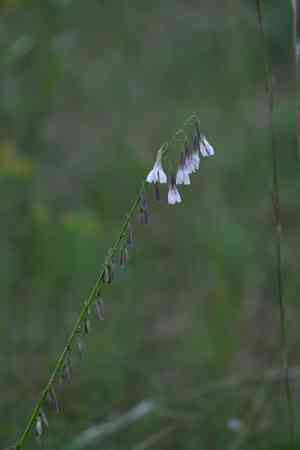
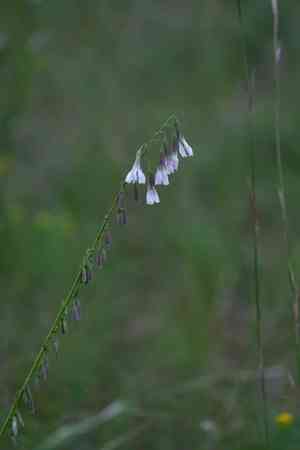
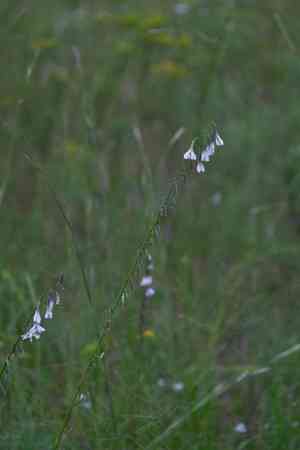
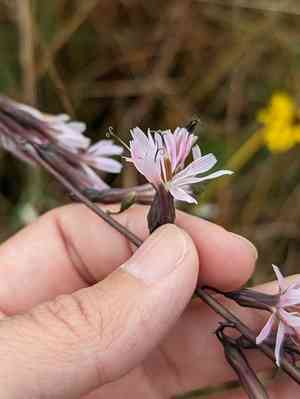
Slender rattlesnakeroot (Prenanthes autumnalis) is a perennial herb notable for its tall, slender stems that can rise to over six feet in fertile forest soils. It features elongated leaves that clasp around the stem and loose clusters of small flowers, which bloom in late summer to fall. The flowers, often with a pale purple hue, attract pollinators, while the plant's bitter taste helps deter herbivores. This species thrives in open woodlands and clearings, preferring well-drained soils and partial to full sun.
In This Article
Attributes of Slender rattlesnakeroot
Lifespan
Perennial
Plant Type
Herb
Plant Height
30 cm to 1.8 m
Spread
2 to 2.5 feet (approximately 0.6 to 0.8 meters)
Leaf Color
Green
Flower Size
0.5 to 1 inch (1.2 to 2.5 cm)
Flower Color
Pale yellow to cream
Images of Slender rattlesnakeroot
Quickly Identify Slender rattlesnakeroot
1
Nabalus autumnalis can be identified by its tall, upright growth, deeply lobed leaves, and small, pale yellow flowers that appear in late summer to autumn.
Scientific Classification of Slender rattlesnakeroot
Phylum
Vascular plants
Class
Dicotyledons
Order
Asterales
Family
Daisy
Genus
White lettuce
Species
Slender rattlesnakeroot
Planting and Growing of Slender rattlesnakeroot
Care Difficulty
Easy
Watering Schedule
Every 3 days
Sunlight Requirements
Partial sun
Sunshine Duration
4-8 hours
Ideal Temperature
60-75℉
Soil Type
Potting Mix, Peat Mix
Soil pH
6.5-7.5
Fertilizer Type
Balanced
Pruning Season
Spring, Summer
Pruning Area
Branches, Leaves
Pruning Frequency
2 times a year
Repotting Season
Spring
Pot Type
Plastic, Ceramic
 How to Water Slender rattlesnakeroot?
The watering amount for Nabalus autumnalis should ideally be around 250 ml per session. The plant thrives on a modest but consistent water supply, ensuring that the soil is moist but not waterlogged. It's crucial to water thoroughly until excess water drains out of the bottom of the pot to encourage robust root growth.
What are the symptoms of an underwatered Slender rattlesnakeroot?
›
What should I do if my Slender rattlesnakeroot is not getting enough water?
›
What are the symptoms of an overwatered Slender rattlesnakeroot?
›
How to save an overwatered Slender rattlesnakeroot?
›
 What Are the Sunlight Requirements for Slender rattlesnakeroot?
Partial to full sun is ideal for Nabalus autumnalis. This light range supports optimal photosynthesis and growth, leading to vigorous foliage and enhanced blooming, while preventing light stress.
What amount of light does Nabalus autumnalis prefer?
›
How can you achieve ideal lighting for Nabalus autumnalis?
›
What are the benefits of providing ideal lighting conditions?
›
 What Is the Ideal Temperature Range for Slender rattlesnakeroot?
Nabalus autumnalis ideally grows in a temperature range of 60-75°F because these temperatures mimic the plant's natural habitat conditions, promoting optimum photosynthesis and growth.
 What Soil is Best for Slender rattlesnakeroot?
Nabalus autumnalis thrives in well-drained soil that allows water to permeate easily. This prevents root rot and ensures optimal nutrient uptake, crucial for healthy plant growth. This plant prefers soils that maintain moderate moisture levels. Consistent moisture supports its lush foliage while preventing drought stress, enhancing its resilience. Soils enriched with organic matter provide essential nutrients and improve the overall soil structure, promoting robust root development and sustained vitality.
 How to Fertilize Slender rattlesnakeroot?
For Nabalus autumnalis, apply a balanced 10-10-10 liquid fertilizer monthly at the rate recommended on the product label, usually around 1 tablespoon per gallon of water. This dosage ensures the plant receives essential macronutrients without overloading it.
 How to Prune Slender rattlesnakeroot?
Begin by selectively cutting the stems and foliage that appear weak or have finished flowering. Focus on encouraging new growth by cutting back to a healthy node. Trim the plant to maintain a shrub-like structure. This encourages a fuller appearance and ensures even light distribution across the plant. By cutting back spent flowers and straggly stems, the plant can direct energy towards producing more blooms, improving both appearance and health. After pruning, clear away any debris or fallen leaves around the plant to minimize the risk of pests and diseases that thrive in decaying organic matter.
More About Pruning Techniques→
 How to Propagate Slender rattlesnakeroot plant?
1
Fill the seed tray with a pre-moistened potting mix, leaving about 1 cm from the top to ensure there's space for the seeds and their initial root growth. Ensure the mix is uniformly moist but not waterlogged.
2
Distribute the seeds evenly across the surface of the potting mix. Cover them lightly with a thin layer of soil to provide darkness which aids in germination while keeping them anchored in the mix.
3
Water the seed tray gently using a spray bottle or a fine mist to keep the soil consistently moist. Be cautious not to over-water, which can lead to fungal diseases or seed rot.
 How to Repot Slender rattlesnakeroot plant?
1
Monitor for signals like roots outgrowing their container, a slowdown in growth, or water draining too quickly through the pot. These indicators suggest your Nabalus autumnalis requires repotting. Spring is ideal, as this is when the plant begins its active growth phase, making it resilient to the change in environment.
2
When selecting a pot, opt for one that is just 1 to 2 inches larger in diameter than the current pot. This ensures that the plant has enough room to grow without excess soil that could retain water and hinder root aeration. Drainage holes are critical to prevent waterlogging and root rot.
3
Select a well-draining potting mix that contains materials like perlite or sand, which help with drainage. This kind of soil prevents compaction, allowing for proper root aeration and reducing the risk of root rot, which is vital for the health and growth of Nabalus autumnalis.
Learn More About Slender rattlesnakeroot Diseases
Anthracnose
Bacterial Leaf Spot
Bacterial Soft Rot
Bacterial Wilt
Chemical Injury
Cyst Nematode
Damping-off
Downy Mildew
Drought Stress
Fusarium Wilt
Gray Mold
Leaf Spot
Mosaic
Nutrient Deficiency
Nutrient Toxicity
Powdery Mildew
Root Rot
Root-knot Nematode
Rusts
Sooty Mold
Spider Mites
Temperature Stress
Thrips Damage
White Mold



