How to Propagate Slender rattlesnakeroot?
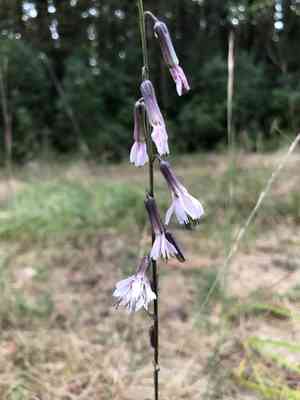
The slender rattlesnakeroot, a herbaceous species, is recognized for its graceful, elevated form. For propagation, employ a growing medium with good drainage and ensure continuous hydration. Seeds can be planted directly into the ground or initiated in containers for subsequent relocation. Offer exposure to partial or full sunlight, and arrange plants with adequate distance to prevent congestion, fostering robust development. The sprouting process might be protracted, thus perseverance is crucial.
Optimal Period for Slender Rattlesnakeroot Propagation
Propagation Method
Seeding
Propagation Season
Spring
Tools Utilized in Slender Rattlesnakeroot Propagation
Seed Trays
Seed trays offer a regulated setting for planting seeds and simplify seedling management. They enable even seed distribution and help maintain consistent moisture levels, crucial for slender rattlesnakeroot's germination.
Fine-mesh Sieve
A fine-mesh sieve is employed to achieve a fine soil texture ideal for seed sowing. This ensures optimal seed-to-soil contact and uniform soil coverage over the seeds, vital for successful slender rattlesnakeroot germination.
Seed Starting Mix
This light, sterile medium is formulated to encourage high germination rates. It provides excellent drainage and prevents damping-off disease, helping to preserve the health of slender rattlesnakeroot seedlings.
Mist Sprayer
A mist sprayer allows for gentle irrigation of seeds and seedlings without dislodging them. Maintaining proper moisture is critical for slender rattlesnakeroot propagation, and a mist sprayer helps achieve this balance.
Heating Mat
A heating mat supplies bottom warmth, which can speed up germination by keeping soil temperature consistent. Slender rattlesnakeroot benefits from this controlled heat, improving the overall success of the sowing process.
Humidity Dome
Humidity domes aid in retaining moisture and creating a humid environment essential for slender rattlesnakeroot germination. They prevent seeds from drying out and establish a microclimate favorable for seedling growth.
Plant Labels
Labeling is vital for tracking different propagation stages and ensuring slender rattlesnakeroot is correctly identified throughout the process. This is especially important in nursery settings where multiple species are propagated simultaneously.
Sterilized Tools
Using sterilized tools such as tweezers or small trowels ensures seeds and seedlings are not exposed to pathogens. This minimizes disease risk, which is crucial for healthy slender rattlesnakeroot growth.
Grow Lights
Providing sufficient light via grow lights ensures slender rattlesnakeroot seedlings receive the necessary illumination for photosynthesis, particularly if natural light is inadequate. This supports strong and healthy seedling development.
How to Propagate Slender Rattlesnakeroot?
Propagation Difficulty
Easy
Post-Propagation Care for Slender Rattlesnakeroot
Post-Propagation Care for Slender Rattlesnakeroot
After successful germination, thinning might be necessary to prevent overcrowding. Transplant young seedlings to their permanent spot once they have developed a few true leaves. Slender rattlesnakeroot prefers partial to full shade and requires regular watering, especially during dry spells. Mulch around the base to retain moisture and suppress weeds. Monitor for pests and diseases, but slender rattlesnakeroot is generally low-maintenance.
Common Errors to Avoid When Propagating Slender Rattlesnakeroot
Overwatering
Excessive watering can lead to root rot and fungal infections that severely impact slender rattlesnakeroot's health.
Incorrect Soil Composition
Using soil that is too dense or lacks proper drainage can suffocate roots and impede growth.
Inadequate Light
Insufficient sunlight can result in weak, elongated growth and poor development of slender rattlesnakeroot.
Improper Spacing
Planting slender rattlesnakeroot too closely can cause competition for nutrients, water, and light, leading to weaker plants.
Neglecting Pest Control
Failure to monitor and manage pests can lead to significant damage and reduced chances of successful propagation.
Tips For Propagating Slender Rattlesnakeroot
Use Well-Draining Soil
Ensure the use of a well-draining soil mix to prevent waterlogging and promote healthy root growth for slender rattlesnakeroot.
Moderate Watering
Water slender rattlesnakeroot when the top inch of soil feels dry to the touch, avoiding both overwatering and underwatering.
Provide Adequate Light
Place slender rattlesnakeroot in a location that receives plenty of indirect sunlight to encourage robust growth.
Maintain Proper Spacing
Space individual plants appropriately to allow for adequate air circulation and reduce competition for resources.
Regular Pest Monitoring
Inspect slender rattlesnakeroot regularly for signs of pests and take timely action to manage infestations, ensuring healthy growth.



