How to Prune Crowned muilla?
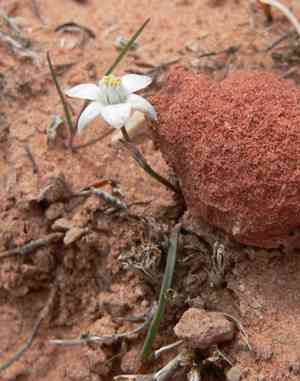
Characterized by its flower groupings and slender foliage, crowned muilla thrives with trimming to preserve its form and vitality. Essential methods involve eliminating withered or ailing leaves and faded blossoms. Perform pruning during its vigorous growth phases in spring and summer for optimal outcomes. This routine stimulates fresh development and averts excessive density. Consistent trimming improves air movement, aids in deterring pest outbreaks, and fosters a more brilliant floral exhibition. Always employ sanitized, keen implements to prevent harm to the plant.
What Are the Benefits of Pruning Crowned Muilla?
What Are the Benefits of Pruning Crowned Muilla?
Crowned muilla thrives with pruning, which encourages robust development, maintains its form, and ensures the plant's well-being. Regular trimming also aids in preventing pest issues and illnesses while boosting overall plant vitality and look.
What Is the Best Time for Pruning Crowned Muilla?
What Is the Best Time for Pruning Crowned Muilla?
Trimming or cutting back crowned muilla during the spring and summer months is considered ideal because this period aligns with its active growth phase. During these times, crowned muilla is more resilient and can recover quicker from pruning cuts, minimizing disease risk and fostering healthy, vigorous growth. Additionally, pruning before the peak flowering season in early summer can enhance bloom production and overall plant health.
What Tools Do I Need to Prune Crowned Muilla?
Bypass Pruners
Perfect for making neat cuts on soft stems without crushing plant tissue.
Snips
Useful for precise trimming of smaller leaves and delicate stems.
Sharp Knife
Crucial for cutting back dead or damaged foliage at the plant's base to prevent disease spread.
How to Prune Crowned Muilla
Inspect
Examine crowned muilla for any diseased or withered foliage, as well as stems showing signs of illness.
Tool Prep
Ensure all pruning implements are clean and sharp to avoid spreading disease and to make accurate cuts.
Remove Diseased Leaves
Carefully trim off diseased leaves by cutting them at the base where they meet the stem. Dispose of removed material away from healthy plants to prevent contamination.
Remove Withered Leaves
Identify withered leaves and cut them off close to the stem without harming the healthy parts of crowned muilla. Ensure thorough removal to maintain plant health.
Cut Diseased Stems
Prune diseased stems by making clean cuts just below the affected area, ideally above a healthy node or branching point. Dispose of pruned stems properly.
Common Pruning Mistakes with Crowned Muilla
Over-pruning
Removing too much foliage or stems can stress crowned muilla, leading to reduced flowering and a weakened plant structure.
Improper technique
Using dull or unclean tools can cause ragged cuts, increasing the risk of disease and pest infestation.
Poor cut placement
Making cuts too close to the base or branch can damage vital growth nodes and hinder future development.
Common Pruning Tips for Crowned Muilla
Use sharp, clean tools
Ensure your pruning shears or scissors are sharp and sterilized to make precise cuts and avoid spreading disease.
Target dead or diseased parts
Focus on removing any dead or diseased stems to promote overall plant health and prevent the spread of pathogens.
Make clean cuts at an angle
Always cut at a slight angle just above a leaf node or bud to encourage proper healing and growth.
Thin out crowded areas
If branches or stems are too dense, selectively thin them out to improve air circulation and light penetration, enhancing the overall health of crowned muilla.



