How to Propagate Crowned muilla?
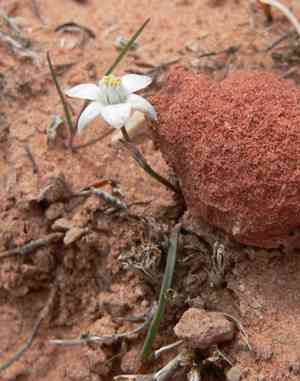
Muilla coronata stands as a distinct representative within its botanical lineage. To achieve effective propagation, employ the plant's subterranean storage organs, verifying their sound condition and absence of imperfections. Embed them in substrate that drains efficiently, and uphold a steady level of hydration to foster the emergence of roots. While flourishing optimally under direct solar exposure, Muilla coronata also benefits from measured irrigation. Periodically inspect for infestations and ailments to guarantee vigorous development.
Optimal Time for Crowned Muilla Propagation
Propagation Method
UseTheTubers
Propagation Period
Spring
Tools Required for Crowned Muilla Propagation
Garden Spade
This implement is crucial for excavating crowned muilla tubers from the earth. It aids in carefully lifting the tubers to prevent harm, ensuring their health and viability for propagation.
Pruning Shears
Pruning shears serve to trim any damaged or decaying parts of crowned muilla tubers. This guarantees that only healthy sections are replanted, fostering successful development.
Hand Gloves
Wearing protective gloves safeguards hands when handling crowned muilla tubers, preventing injuries from soil or tools and minimizing the transfer of harmful pathogens to the tubers.
Planting Tray or Container
A tray or receptacle is necessary to hold crowned muilla tubers after excavation, facilitating easier transport and examination. It assists in organizing and preparing tubers for replanting.
Sterilized Knife or Scalpel
If crowned muilla tubers require division, a sterilized knife or scalpel is essential. It ensures precise cuts are made to avert infection and encourage superior healing and growth.
Rooting Hormone
Applying rooting hormone to the cut surfaces of crowned muilla tubers can boost root formation and enhance the likelihood of successful propagation.
Potting Mix
A well-draining potting medium is vital for replanting crowned muilla tubers. It supplies necessary nutrients and prevents waterlogging, which could lead to tuber decay.
Watering Can with Fine Rose
Utilizing a watering can with a fine rose ensures gentle and even irrigation of crowned muilla tubers, preventing soil displacement and damage to newly planted tubers.
How to Propagate Crowned Muilla?
Propagation Type
Easy
Post-Propagation Care for Crowned Muilla
Post-Propagation Care for Crowned Muilla
Once crowned muilla tubers have sprouted and developed roots, gradually introduce them to more direct sunlight. Water them moderately, ensuring the soil remains well-drained to prevent rot. Fertilize sparingly with a balanced fertilizer once the plants show significant growth. Regularly check for pests and diseases, and remove any affected leaves or stems immediately. Repot the young plants into larger containers or the garden once they outgrow their initial pots, continuing to provide well-draining soil and ample light.
Common Propagation Errors to Avoid with Crowned Muilla
Overwatering
Excessive irrigation can lead to root rot, severely impeding the plant's nutrient absorption and potentially causing plant demise.
Incorrect Soil
Using dense or rich organic soil can retain too much moisture, fostering fungal diseases and poor development.
Inadequate Light
Providing insufficient illumination can hinder the plant's growth and reduce its capacity to generate energy through photosynthesis.
Crowding
Planting crowned muilla too closely together can restrict airflow and heighten the risk of disease transmission.
Tips For Propagating Crowned Muilla
Well-draining Soil
Utilize a cactus or succulent soil blend to ensure proper drainage, preventing root rot and promoting robust root development.
Moderate Watering
Water sparingly, allowing the soil to completely dry out between waterings to avoid waterlogging the roots.
Optimal Light
Position crowned muilla in an area with abundant bright, indirect sunlight to support vigorous growth and healthy foliage.
Spacing
Space plants appropriately to ensure good air circulation, which helps reduce the incidence of diseases and encourages robust growth.



