How to Prune Scratch grass?
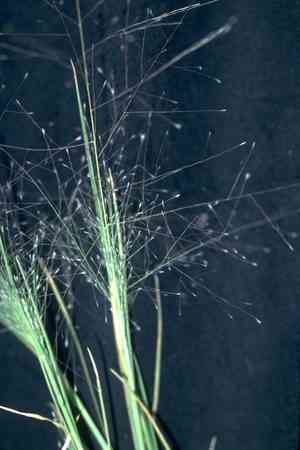
Scratch grass is known for its compact, clumped development and delicate leaves. Trimming ought to be performed in early spring or during winter to eliminate deceased or compromised stalks and stimulate robust development. Concentrate on reducing crowded sections to improve air movement and light exposure. Consistent trimming can foster a more resilient and thriving plant while deterring ailments. Verifying appropriate timing corresponds with the plant's inactive phase, leading to reduced strain and superior regeneration.
What Are the Benefits of Pruning Scratch Grass?
What Are the Benefits of Pruning Scratch Grass?
Trimming scratch grass encourages robust development and maintains its form. This is vital for improving air movement within the plant, which lowers the chance of pests and illnesses, and supports overall plant vitality and visual appeal.
What Is the Best Time for Pruning Scratch Grass?
What Is the Best Time for Pruning Scratch Grass?
Pruning scratch grass in early spring is optimal as it prepares the plant for new growth after dormancy, ensuring energy is directed towards producing healthy new shoots. Winter pruning, during dormancy, minimizes stress on scratch grass and reduces the risk of disease transmission, as well as pest infestation, which are less active during cold months. These seasons help maintain the plant's health and vigor without disrupting its natural growth cycle or flowering period.
What Tools Do I Need to Prune Scratch Grass?
Hand pruners
Perfect for precise cuts on slender stems and accurate shaping, hand pruners are essential due to scratch grass's growth habit, often forming dense clumps of fine foliage.
Grass shears
Specifically designed for trimming grasses, grass shears allow for neat shaping of scratch grass, especially around the plant's edges or in confined spaces where larger tools are impractical.
Long-handled loppers
Suitable for reaching into thicker, denser parts of scratch grass without bending, these tools assist in cutting thicker stems that hand pruners cannot manage effectively.
How to Prune Scratch Grass
Identify
Locate and inspect scratch grass for any diseased or withered leaves. Look for foliage exhibiting discoloration, spots, or any deformities indicating poor health.
Sanitation
Sterilize pruning tools before beginning. Use alcohol or a bleach solution to disinfect shears or scissors to prevent spreading diseases between plants.
Trim diseased
Carefully remove diseased leaves from scratch grass. Make cuts close to the stem, ensuring not to tear or harm adjacent healthy tissues.
Trim withered
Remove all withered or dead leaves from scratch grass by cutting them at their base near the stem. This helps improve air circulation and overall plant health.
Cleanup
Gather and dispose of all removed foliage. Avoid leaving any fallen leaves or debris around scratch grass, as they can harbor pests or diseases.
Common Pruning Mistakes with Scratch Grass
Overpruning
Removing too much foliage at once can stress scratch grass, leading to reduced vigor and sparse growth.
Imprecise cuts
Using dull or unclean pruning tools can damage scratch grass's stems, potentially causing disease entry and poor healing.
Uniform trimming
Trimming scratch grass into unnatural shapes or too uniformly can inhibit its natural form and growth patterns, reducing overall plant health.
Common Pruning Tips for Scratch Grass
Appropriate tools
Use sharp, clean pruning shears to make precise cuts. This prevents damage to scratch grassâs delicate stems and promotes better healing.
Selective thinning
Focus on thinning out crowded areas to improve air circulation and light penetration, which is crucial for scratch grass's health and growth.
Height reduction
If reducing height, cut just above leaf nodes at a slight angle to encourage new growth without stunting scratch grass.
Post-pruning care
After pruning, provide scratch grass with adequate water and possibly a balanced fertilizer to support recovery and robust growth.



