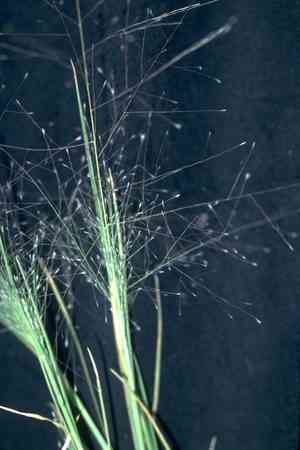
Scratch grass (Muhlenbergia asperifolia)
Also known as: Fine-top saltgrass
Muhlenbergia asperifolia, or scratchgrass, is indigenous to North America, including regions in Canada, the United States, and Mexico. This grass is particularly useful in ecological projects for soil stabilization and erosion control, especially in saline or alkaline soils. It's also employed in habitat restoration and land reclamation efforts, thanks to its resilience in challenging soil conditions and its contribution to local ecosystems by providing habitat and food for wildlife.
In This Article
Attributes of Scratch grass
Lifespan
Perennial
Plant Type
Grass
Plant Height
10 cm to 61 cm
Spread
Not applicable (grass does not have a crown)
Leaf Color
Green
Flower Size
Approximately 2-3 mm
Flower Color
Pale pink to purplish
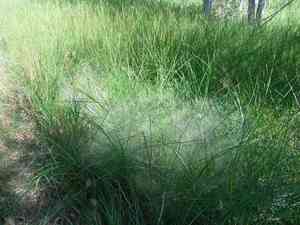
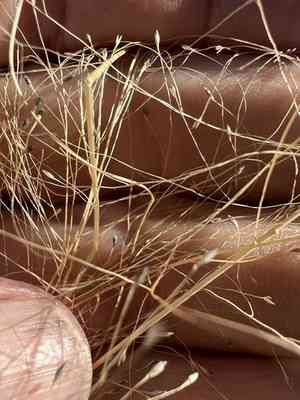
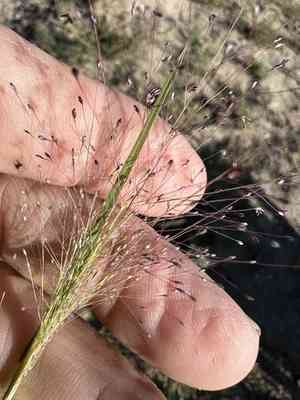
Images of Scratch grass
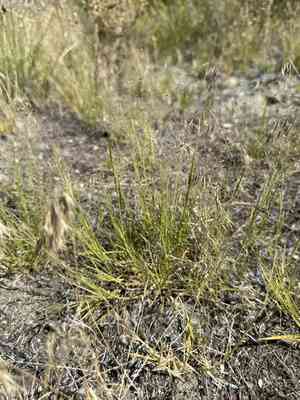
Quickly Identify Scratch grass
1
Identify Muhlenbergia asperifolia by its narrow, pointed leaves that feel rough to the touch. The grass has a loose, open inflorescence with tiny, delicate flowers.
Scientific Classification of Scratch grass
Phylum
Vascular plants
Class
Monocotyledons
Order
Poales
Family
Grass
Genus
Muhly
Species
Scratch grass
Planting and Growing of Scratch grass
Care Difficulty
Easy
Watering Schedule
Every 3 days
Sunlight Requirements
Full sun
Sunshine Duration
6-8 hours
Ideal Temperature
60-75℉
Soil Type
Potting Mix, Peat Mix
Soil pH
6.5-7.5
Fertilizer Type
Balanced
Pruning Season
Spring, Summer
Pruning Area
Branches, Leaves
Pruning Frequency
2 times a year
Repotting Season
Spring
Pot Type
Plastic, Terracotta
 How to Water Scratch grass?
When watering Muhlenbergia asperifolia, aim to provide around 500 milliliters of water per session. Ensure that the soil is thoroughly moistened but not waterlogged, allowing the excess to drain freely. This plant thrives with a deep soak that reaches the root zone to encourage robust growth.
What are the symptoms of an underwatered Scratch grass?
›
What should I do if my Scratch grass is not getting enough water?
›
What are the symptoms of an overwatered Scratch grass?
›
How to save an overwatered Scratch grass?
›
 What Are the Sunlight Requirements for Scratch grass?
Muhlenbergia asperifolia prefers partial to full sunlight conditions. Ensuring that it receives adequate light helps maintain its lush appearance and supports robust growth, making it a resilient addition to your outdoor space.
What are the best lighting conditions for Muhlenbergia asperifolia?
›
How can I ensure Muhlenbergia asperifolia gets ideal sunlight?
›
What benefits does Muhlenbergia asperifolia get from ideal lighting?
›
 What Is the Ideal Temperature Range for Scratch grass?
Maintaining an ideal temperature range between 60°F and 75°F is crucial for the optimal growth of Muhlenbergia asperifolia. In this range, the plant is most efficient in photosynthesis, nutrient uptake, and overall metabolic processes, ensuring lush and healthy foliage.
 What Soil is Best for Scratch grass?
Muhlenbergia asperifolia thrives in soil that offers excellent drainage. This helps to ensure that the roots receive adequate air and prevent root rot—common in waterlogged conditions. Optimal drainage improves the overall plant health and supports vigorous growth. While not particularly nutrient-demanding, Muhlenbergia asperifolia benefits from a moderate level of nutrients within the soil. Nutrient-rich soils support better growth, greener foliage, and more robust flowering. Although good drainage is vital, the soil should retain some moisture to ensure the plant does not dry out. Sandy loam can offer this balance, retaining moisture without compromising drainage, ensuring the plant has consistent access to water.
 How to Fertilize Scratch grass?
Muhlenbergia asperifolia typically requires a moderate amount of fertilizer due to its adaptability to various soil conditions. A balanced, all-purpose fertilizer is suitable, applied at a rate of about 1/4 pound per 100 square feet. This helps in promoting healthy growth without overwhelming the plant's natural resilience.
 How to Prune Scratch grass?
Start by removing any dead or diseased foliage at the base of the plant. These should be cut back to where healthy growth begins. This not only improves the visual appearance of the plant but also prevents potential diseases from spreading to healthier parts of the plant. After clearing dead materials, focus on trimming overgrown stems to maintain the desired shape. Cut back long stalks to a height that encourages full and bushy growth. This is important for Muhlenbergia asperifolia as it can grow rather long and lanky if left unchecked. Once you have achieved a desirable form, conduct a final inspection to remove any leftover debris or minor imperfections. Ensure there are no clipped leaves or stem wastes left on the ground as they can become a breeding ground for pests.
More About Pruning Techniques→
 How to Propagate Scratch grass plant?
1
Collect seeds from mature plants and sow them in seed trays filled with a well-draining soil mix. Lightly cover the seeds with soil and water them gently. Ensure the seed trays are kept in a warm area with indirect sunlight.
2
In late spring, carefully dig out the plant from the ground, ensuring to keep the root system intact. Use a sharp knife to divide the root clump into smaller sections, each with roots and shoots, then replant immediately.
3
Water the newly sown seeds and divided plants thoroughly after planting. Ensure the soil remains moist but not waterlogged to promote root establishment and growth in the initial stages.
 How to Repot Scratch grass plant?
1
Muhlenbergia asperifolia should be repotted when you observe roots growing out of the drainage holes, or if the plant's growth appears stunted. It's best done before its growing season (spring) to minimize stress and promote healthy root establishment.
2
Opt for a pot that is one size larger than the current one, ensuring it has sufficient drainage holes. A well-chosen pot prevents waterlogging and allows room for root growth, promoting a healthier plant.
3
Select a well-draining sandy mix with good aeration to ensure the roots get adequate oxygen and prevent root rot. This helps the plant maintain its natural growth pattern and supports strong root development.



