The Scratch grass Plant Advantage: Maximizing Home and Office Appeal and Wellness
1
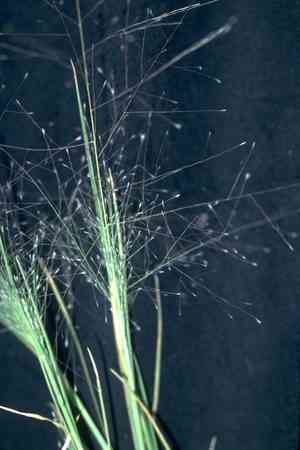
Scratch grass is an easy-to-care-for plant suitable for diverse environments.
2
It improves ground health and prevents soil loss.
3
Scratch grass offers refuge and sustenance to native animals.
Why Opt for Scratch grass in Your Garden?
Effortless Upkeep and Robustness
A key advantage of Scratch grass is its minimal care requirements. Naturally designed to endure diverse climates, Scratch grass flourishes without excessive watering, fertilizers, or pest management. This characteristic makes it an excellent choice for both new and seasoned gardeners seeking a tough, resilient plant. Moreover, its capacity to thrive in various soil types enhances its adaptability, allowing it to prosper in different garden environments.
Environmental Contributions
Scratch grass plays a vital role in supporting local ecosystems. It improves soil quality by fixing nitrogen and reducing erosion. This plant also offers a natural habitat for various insect and bird species, thereby boosting biodiversity. Its deep root system helps stabilize the soil, making it perfect for combating soil erosion and promoting soil health.
How Does Scratch grass Enhance Soil Quality?
Nitrogen Fixation
Scratch grass contributes to soil enrichment through nitrogen fixation. Nitrogen is a critical nutrient for plant development, and Scratch grass aids in making it available in the soil. This process not only benefits the plant itself but also enriches the soil for neighboring plants, fostering a healthier and more sustainable garden ecosystem.
Soil Stabilization and Erosion Control
The extensive root system of Scratch grass is crucial for soil stabilization. By firmly anchoring the soil, it helps prevent erosion caused by wind and water. This feature is especially beneficial for gardeners dealing with sloped areas or regions prone to erosion. Additionally, the presence of Scratch grass increases organic matter in the soil, promoting better soil structure and fertility over time.
What Makes Scratch grass a Wildlife-Friendly Plant?
Habitat Creation
Scratch grass offers an ideal habitat for a variety of local wildlife. Its dense foliage provides shelter to small mammals, birds, and insects, creating a micro-ecosystem within your garden. This habitat is essential for the survival of these species, particularly in urban areas where natural habitats are diminishing.
Food Source
Beyond shelter, Scratch grass also serves as a food source for many insects and birds. By planting Scratch grass in your garden, you contribute to the local food web, supporting species that might otherwise struggle to find sustenance. This adds another layer to the ecological benefits provided by this versatile plant, making it a cornerstone for any wildlife-friendly garden.
Aesthetic Appeal of Scratch grass
Visual Adaptability
Scratch grass is not only functional but also highly visually appealing. Its lush, green foliage offers a soft, flowing appearance that can enhance the visual charm of any garden. Whether used as ground cover, part of a mixed border, or in a naturalistic planting scheme, Scratch grass adds a sense of tranquility and natural beauty to the landscape.
Seasonal Allure
Throughout the year, Scratch grass provides visual interest by altering its appearance with the seasons. During the growing period, it displays rich green hues, while in autumn, its foliage can shift to shades of yellow or brown, adding a dynamic element of seasonal interest to your garden. This characteristic makes Scratch grass a year-round attraction, keeping your garden vibrant and engaging in all seasons.
How to Cultivate Scratch grass Effectively?
Planting Advice
To successfully cultivate Scratch grass, begin by choosing well-draining soil and a location that receives ample sunlight, though it can tolerate partial shade. Plant it in early spring or fall for optimal results. Space the plants appropriately to allow for growth and good air circulation.
Watering and Upkeep
Scratch grass requires minimal watering once established. Water the plants regularly during the initial growing season to help develop a strong root system. Afterward, the plant will thrive with natural rainfall, unless prolonged dry spells occur. Pruning or trimming can be done to maintain the desired shape and prevent overgrowth, but it generally has low maintenance needs.



