How to Prune Brewer's miterwort?
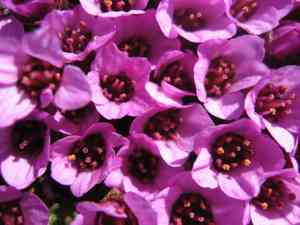
Brewer's miterwort, characterized by its fine leaves emerging from basal clusters, flourishes with infrequent trimming to eliminate spent or withered blossoms, thereby improving its inherent form and vitality. Perform light pruning from spring through early autumn, refraining from doing so in winter to avert strain. Removing spent flowers encourages additional flowering and preserves a neat appearance. This horticultural practice serves not only as upkeep but also stimulates more compact development, guaranteeing that brewer's miterwort continues to be a captivating feature in shaded garden areas.
What Are the Benefits of Pruning Brewer's Miterwort?
What Are the Benefits of Pruning Brewer's Miterwort?
Trimming brewer's miterwort can encourage robust development and maintain a desired form, ensuring the plant's beauty and vitality. Regular cutting can prevent excessive growth, allowing for more efficient energy use and improved plant health.
What Is the Best Time for Pruning Brewer's Miterwort?
What Is the Best Time for Pruning Brewer's Miterwort?
Brewer's miterwort experiences active growth during late spring and early summer, making this the optimal period for trimming or pruning. Pruning in late spring allows for the removal of any frost-damaged branches and promotes healthier, stronger growth. Early summer pruning, after the blooming phase has ended, ensures the plant's energy is directed towards new growth rather than undesired seeds or fruiting bodies in ornamental plants. It also enables gardeners to shape the plant during its most vigorous growth stage. Pruning in fall is not advised for brewer's miterwort as cuts heal slower, leaving the plant more vulnerable to disease and pests as it enters dormancy.
What Tools Do I Need to Prune Brewer's Miterwort?
Hand Pruners
Ideal for making precise cuts on the delicate stems of brewer's miterwort, minimizing harm to the plant.
Gardening Scissors
Perfect for trimming small or intricate areas of brewer's miterwort, allowing for accuracy without damaging nearby foliage.
How to Prune Brewer's Miterwort
Cleaning tools
Start by sanitizing pruning tools to prevent disease spread to brewer's miterwort. Use a solution of 1 part bleach to 9 parts water or rubbing alcohol to thoroughly clean blades before and after use.
Removing diseased parts
Carefully remove any diseased leaves and branches from brewer's miterwort by cutting them at the base where they meet healthy tissue. Make cuts clean and sharp to minimize plant damage.
Eliminating dead material
Trim away withered leaves and dead branches, cutting back to the point of healthy growth. This improves air circulation and reduces the chance of disease in brewer's miterwort.
Shaping plant
Shape brewer's miterwort by selectively trimming overgrown areas, ensuring its natural form is maintained. Avoid excessive pruning, which can stress the plant.
Disposal
Dispose of all removed materialâdiseased, dead, or witheredâaway from the garden to prevent re-infection or infestation in brewer's miterwort.
Common Pruning Mistakes with Brewer's Miterwort
Overpruning
Removing too much foliage at once can stress brewer's miterwort, leading to poor plant health and reduced vigor. It's essential to prune selectively.
Wrong technique
Using dull or dirty pruning tools can damage brewer's miterwort's delicate stems, creating jagged cuts that are susceptible to disease.
Neglecting deadheading
Failing to remove spent blooms properly can prevent brewer's miterwort from producing new flowers.
Ignoring diseased material
Not promptly removing diseased or damaged plant parts can allow infections to spread, compromising brewer's miterwort's overall health.
Common Pruning Tips for Brewer's Miterwort
Sharp clean tools
Always use sterilized, sharp pruning shears to make clean cuts without harming brewer's miterwort's stems, reducing the risk of disease.
Selective pruning
Prune brewer's miterwort selectively, removing only dead or damaged foliage and flower stems to maintain plant shape and encourage new growth.
Deadheading
Regularly deadhead spent flowers of brewer's miterwort to promote continuous blooming throughout the growing season.
Monitor health
Regularly inspect brewer's miterwort for signs of stress or disease after pruning and address any issues promptly to ensure vigorous growth.



