The Brewer's miterwort Plant Advantage: Maximizing Home and Office Appeal and Wellness
1
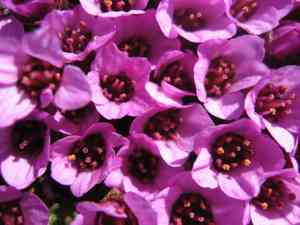
Brewer's miterwort is recognized for its lovely, complex blossoms that can enhance any outdoor space.
2
This flora contributes to better soil health via its association with advantageous fungi.
3
Brewer's miterwort aids native fauna by offering sustenance and shelter to diverse insects.
Why Opt for Brewer's Miterwort in Your Garden?
Visual Appeal
A primary reason gardeners select Brewer's miterwort is its visual charm. This plant's delicate, intricate blossoms can lend an elegant touch to any garden space. These blooms are typically small yet display captivating patterns and structures, often sparking conversation among garden enthusiasts. When in bloom, Brewer's miterwort offers a distinct visual delight that can distinguish your garden.
Minimal Upkeep Requirements
Beyond its beauty, Brewer's miterwort is valued for its minimal care needs. This plant is relatively simple to cultivate and maintain, making it an excellent choice for both new and seasoned gardeners. It thrives in diverse soil types and can withstand various light and shade conditions, adapting well to different garden environments. Furthermore, Brewer's miterwort doesn't demand frequent watering or fertilizing, promoting more sustainable gardening practices.
How Does Brewer's Miterwort Benefit the Soil?
Improving Soil Quality
A less recognized but significant advantage of Brewer's miterwort is its positive influence on soil quality. The plant's roots form symbiotic relationships with mycorrhizal fungi. These fungi boost the plant's nutrient absorption, especially phosphorus, and in return, the plant provides the fungi with carbohydrates. This interaction not only aids Brewer's miterwort but also enhances the soil's overall health, making it more fertile and suitable for other plants.
Erosion Prevention
In addition to boosting soil fertility, Brewer's miterwort plays a vital role in preventing soil erosion. The plant's root system helps anchor the soil, reducing the risk of erosion caused by wind or water. This makes Brewer's miterwort particularly valuable for gardens on slopes or in areas prone to heavy rainfall. By curbing soil erosion, Brewer's miterwort helps maintain your garden's landscape integrity and supports the well-being of other plants.
How Does Brewer's Miterwort Support Local Wildlife?
Providing a Haven
Brewer's miterwort is an excellent plant for supporting local wildlife, especially insects. Its flowers attract various pollinators like bees and butterflies, which are crucial for maintaining biodiversity. These insects are key to pollinating not only Brewer's miterwort but also other plants in your garden. Additionally, Brewer's miterwort offers shelter and habitat for other small creatures, enhancing your garden's ecological diversity.
Serving as a Food Source
Beyond offering habitat, Brewer's miterwort acts as a food source for various insects. The nectar from its flowers is a vital resource for pollinators, particularly when other nectar sources are scarce. This makes Brewer's miterwort essential for supporting a healthy insect population, which in turn benefits birds and other wildlife that depend on insects for sustenance. By including Brewer's miterwort in your garden, you contribute to a flourishing, balanced ecosystem.
What are the Best Practices for Cultivating Brewer's Miterwort?
Optimal Planting Conditions
To maximize the potential of Brewer's miterwort, it's crucial to plant it under ideal conditions. This plant prefers well-drained soil and filtered sunlight, mimicking its natural environment. While it can tolerate diverse soil types, adding organic compost can improve its growth and bloom. Ensure the soil remains moist but not waterlogged, as excessive moisture can lead to root decay.
Companion Planting Advice
For effective companion planting, consider pairing Brewer's miterwort with other shade-loving plants. Ferns, hostas, and other woodland species can be excellent companions, creating an appealing and naturalistic garden setting. By carefully choosing companion plants, you can enhance your garden's overall aesthetic and ecological equilibrium.



