How to Prune Matchstick pagoda?
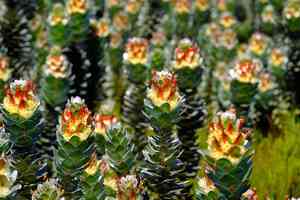
Recognizable by its matchstick-like flower clusters, matchstick pagoda thrives with early spring trimming. Concentrate on eliminating deceased or ailing branches to foster robust development and enhance air circulation. Gently cut back the plant's general outline to preserve its structure and stimulate thicker leaves. Performing pruning at the ideal moment encourages fresh growth that aligns with the plant's natural development. Consistent trimming boosts flowering and diminishes the likelihood of pest problems.
What Are the Benefits of Pruning Matchstick Pagoda?
What Are the Benefits of Pruning Matchstick Pagoda?
Pruning matchstick pagoda encourages robust development and maintains its form. Trimming eliminates dead or weak branches, boosts flowering, manages size, and lowers pest and disease risks. Proper pruning ensures a healthy, attractive plant.
What Is the Best Time for Pruning Matchstick Pagoda?
What Is the Best Time for Pruning Matchstick Pagoda?
Early spring is optimal for pruning matchstick pagoda, as it minimizes plant stress before active growth. This timing allows pruning wounds to heal rapidly due to quick tissue regeneration. Additionally, early spring pruning helps shape the plant and removes dead or damaged branches before flowering, promoting healthier blooms. Adhering to these guidelines ensures matchstick pagoda's health and aesthetic appeal throughout the growing season.
What Tools Do I Need to Prune Matchstick Pagoda?
Pruning shears
Pruning shears are perfect for making clean cuts on matchstick pagoda's smaller branches, fostering healthy development.
Loppers
Loppers are effective for cutting thicker or hard-to-reach branches of matchstick pagoda without harming the plant.
Pruning saw
A small pruning saw is useful for trimming larger stems or branches, ensuring accurate cuts on mature parts of matchstick pagoda.
Gloves
Protective gloves are crucial for shielding hands from sharp edges and potential irritants found in matchstick pagoda.
Sterilizing solution
Utilize a sterilizing solution to clean tools before and after pruning to prevent disease transmission and keep matchstick pagoda healthy.
How to Prune Matchstick Pagoda
Identify
Inspect the entire matchstick pagoda plant to locate and mark diseased leaves, withered leaves, dead branches, and infected branches that require removal.
Disinfect
Sanitize your pruning shears with rubbing alcohol to prevent the spread of infection and disease throughout the matchstick pagoda.
Diseased leaves
Carefully snip off any diseased leaves, ensuring the cut is made at the base of the leaf stem to completely remove the affected part.
Withered leaves
Trim withered leaves where they meet healthy tissue to stimulate new growth. Avoid pulling or tearing leaves to prevent plant damage.
Dead diseased branches
Cut dead and diseased branches back to healthy, green wood. Make clean cuts close to the main stem or base to minimize harm and reduce fungal infection risk.
Common Pruning Mistakes with Matchstick Pagoda
Improper Technique
A frequent error is using dull or unsuitable tools, leading to jagged cuts that can harm the plant. Clean, sharp pruning shears are vital for neat cuts.
Excessive Pruning
Over-pruning can weaken matchstick pagoda, hindering its ability to photosynthesize and causing stress. Removing more than 20% of the foliage at once can be detrimental.
Incorrect Cutting Points
Cutting too close or too far from the node can damage matchstick pagoda. Improper cuts may result in dieback or delayed healing.
Common Pruning Tips for Matchstick Pagoda
Use Sharp Tools
Always use clean, sharp pruning shears for precise cuts, helping to prevent disease and promote rapid healing.
Prune Conservatively
Limit the amount of foliage removed to a maximum of 20% at a time. This helps maintain the plantâs vigor and prevents undue stress.
Cut Above Nodes
Make cuts just above a node (the point where leaves attach to the stem). This encourages new growth and helps the plant heal more efficiently.
Remove Dead or Diseased Parts
Focus on removing dead, diseased, or damaged branches first. This not only improves the plantâs appearance but also prevents the spread of disease.
Shape Gradually
For shaping or size control, prune gradually over several sessions rather than all at once. This allows matchstick pagoda to adjust and minimizes shock.



