How to Propagate Matchstick pagoda?
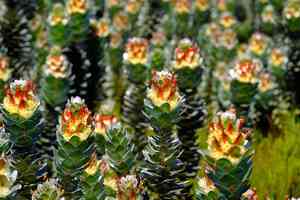
Matchstick pagoda is a remarkable shrub native to South Africa's Fynbos region. For optimal propagation, select robust cuttings, making sure the segments include leafy, semi-woody stems. Apply rooting stimulant to the cuttings to encourage root formation, then place them in a substrate that drains effectively. Maintain consistent moisture in the medium and provide ample airflow to deter fungal infections. Perseverance is crucial, as the development of roots can span several weeks.
When Is the Optimal Time to Propagate Matchstick Pagoda?
Propagation Method
Cuttings
Propagation Period
Spring,Summer
What Equipment Is Used for Matchstick Pagoda Propagation?
Pruning Shears
Utilized for taking precise sections from matchstick pagoda. These enable clean cuts, crucial for preventing harm and encouraging robust root development.
Rooting Hormone
Helps stimulate root formation on matchstick pagoda cuttings. This aid is vital due to the plant's sometimes slow rooting tendency.
Sterile Medium (e.g., Perlite or Sand)
Offers a clean, pathogen-free environment for matchstick pagoda cuttings to establish roots. Ensures proper drainage and air circulation.
Propagation Trays
Secure matchstick pagoda cuttings during their root development phase. These trays often include humidity domes, which maintain a moist atmosphere, essential for the initial rooting stages.
Misting Bottle
Employed to maintain the necessary humidity levels around matchstick pagoda cuttings. Helps prevent desiccation and aids in root growth.
Heating Mat
Supplies warmth from below to encourage root development in matchstick pagoda cuttings. Beneficial for promoting quicker and more consistent rooting.
Sharp Knife or Scalpel
Used for making precise incisions without crushing stem tissues. This ensures a healthy cutting from matchstick pagoda.
Alcohol Wipes
Disinfect cutting tools to prevent disease transmission. Essential for preserving plant health during propagation.
Label Tags
Organize and identify various matchstick pagoda cuttings to ensure proper tracking throughout the propagation process.
How to Propagate Matchstick Pagoda?
Propagation Type
Moderately Difficult
How to Care for Your Newly Propagated Matchstick Pagoda?
How to Care for Your Newly Propagated Matchstick Pagoda?
Once the cuttings have rooted and are established, gradually introduce them to their natural environment by exposing them to more direct sunlight over a period of a couple of weeks. Ensure the soil remains well-drained and provide moderate watering, allowing the top layer of soil to dry out between waterings. Protect the young plants from frost and establish a regular feeding schedule using a balanced fertilizer. Maintain vigilance for pests and diseases, treating them promptly to ensure healthy growth.
Common Mistakes to Avoid When Propagating Matchstick Pagoda
Incorrect Soil Mixture
Using soil that is too rich or retains excessive moisture can lead to root rot and poor drainage, which matchstick pagoda does not tolerate well.
Overwatering
Excessive irrigation can drown seeds or cuttings, fostering fungal growth and root diseases.
Insufficient Light
Placing matchstick pagoda in inadequate light conditions can hinder proper photosynthesis, stunting growth or causing leggy and weak plants.
Neglecting Temperature Requirements
Failing to maintain the correct temperature can impede germination and growth since matchstick pagoda has specific temperature ranges for optimal propagation.
Ignoring Pests and Diseases
Not monitoring for pests or diseases can result in infestations or infections that severely affect the young matchstick pagoda.
Tips For Propagating Matchstick Pagoda
Use Well-Drained Soil
Employ a sandy-loam or specific succulent/cactus mix to ensure proper drainage while maintaining slight moisture levels suitable for matchstick pagoda.
Moderate Watering
Water sparingly and ensure the soil is only slightly moist, allowing the top layer to dry out between waterings to prevent waterlogging.
Provide Adequate Light
Place matchstick pagoda in a location with ample indirect sunlight or partial shade, simulating its native habitat to support healthy growth.
Maintain Optimal Temperature
Ensure a stable temperature range, ideally between 60-75°F (15-24°C), avoiding sudden temperature changes that could stress the plant.
Monitor for Pests
Regularly inspect matchstick pagoda for common pests such as aphids or fungal infections, taking prompt action with appropriate treatments to protect the plant.



