How to Prune Chickenthief?
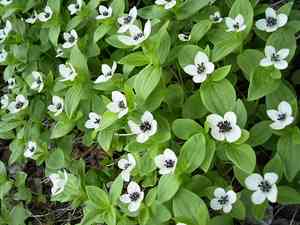
This particular variety, chickenthief, greatly benefits from appropriate trimming due to its singular characteristics. The most effective time for pruning is in late Spring or early Summer, following its flowering period, to stimulate fresh development and preserve the plant's well-being. Concentrate on eliminating any deceased or frail stalks to improve light exposure and airflow. Consistent trimming also aids in controlling its form and dimensions, guaranteeing the plant's vitality and abundant blossoming. These targeted actions lead to a more thriving and resilient plant.
Advantages of Trimming Chickenthief
Advantages of Trimming Chickenthief
Trimming chickenthief encourages robust development and maintains its desired form. Regular cutting aids in removing dead or crowded branches, fostering improved air movement and sun exposure, which are vital for its well-being and structure.
Optimal Period for Pruning Chickenthief
Optimal Period for Pruning Chickenthief
Pruning chickenthief during Spring and Summer aligns with its active growth phase, typically starting in early Spring as temperatures rise and days lengthen. Trimming in these seasons allows chickenthief to recover swiftly and utilize the increased sunlight and warmth for growth and energy production. Specifically, early Spring pruning is ideal for removing any winter damage and shaping the plant before new growth begins. Summer pruning, after peak flowering, helps manage plant size and remove non-productive or overly dense branches, thus improving air circulation and light exposure to the plant's interior. This timing also helps in preparing chickenthief for the upcoming colder months, enhancing its overall health and flowering capability.
Necessary Tools for Pruning Chickenthief
Hand Pruners
Perfect for shaping and trimming chickenthief branches due to their precise cutting ability, enabling clean, close cuts that promote healthy regrowth.
Pruning Shears
Useful for cutting thinner stems and removing dead or overgrown branches, ensuring chickenthief's optimal health and growth pattern.
Gardening Gloves
Crucial for protecting hands from sharp thorns and rough branches while pruning chickenthief, enhancing safety during the pruning process.
How to Prune Chickenthief
Identify diseased parts
Examine chickenthief closely and pinpoint all diseased leaves and stems. Look for signs of discoloration, spots, or any deformities indicating illness or dying tissue.
Gather tools
Prepare sanitized pruning shears or scissors. Ensure tools are clean to prevent disease transmission between plants when cutting.
Prune diseased leaves
Carefully remove all identified diseased leaves from chickenthief. Cut each leaf at its base where it connects to the stem, ensuring a clean cut without tearing plant tissue.
Prune withered leaves
Remove all withered or dead leaves similarly by cutting at the base. This helps prevent decay organisms from invading chickenthief and improves overall plant health and appearance.
Prune diseased stems
Cut back any diseased stems on chickenthief to the nearest healthy section. Ensure cuts are made at a 45-degree angle to promote healing and discourage water accumulation on the cut surfaces.
Common Pruning Errors with Chickenthief
Over-pruning
Removing excessive foliage from chickenthief can significantly diminish its overall health and vigor. This species benefits from a lighter touch, focusing on thinning rather than severe cuts.
Improper cutting technique
Making jagged or blunt cuts can introduce pests and diseases to chickenthief and impede the healing process. It's essential to use sharp, clean pruning tools.
Neglecting plant structure
Failing to understand chickenthief's natural form may lead to unbalanced pruning. This can result in a less aesthetically pleasing appearance and reduced flowering.
General Pruning Advice for Chickenthief
Timely thinning
Focus on thinning the denser areas of chickenthief to improve light penetration and air circulation. This encourages stronger, more resilient growth.
Consider health and aesthetics
When pruning chickenthief, remove dead or diseased branches first to maintain plant health. Additionally, prune to maintain a pleasing plant shape, reflecting its natural form.
Regular tool maintenance
Ensure that all pruning tools are sharp and clean before each use. This reduces the risk of spreading diseases between plants and enables cleaner, more precise cuts.



