How to Propagate Chickenthief?
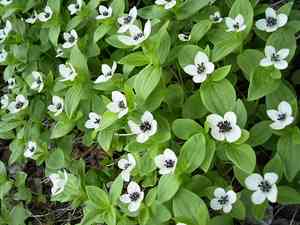
Chickenthief flourishes when reproduced through seeding. For peak development, confirm that the seeds are thinly blanketed with substrate, permitting ample illumination for sprouting. The growing medium ought to drain effectively and be kept at moderate hydration levels. Attention should be paid to positioning the seeds with enough distance to allow each young plant space to grow unimpeded. Regular, delicate irrigation fosters strong root formation, guaranteeing a vigorous beginning for this variety.
Optimal Time for Chickenthief Propagation
Propagation Method
Seeding
Propagation Period
Spring
Tools for Chickenthief Propagation
Seed trays
Seed trays are vital for initiating chickenthief from seeds in controlled settings. They enable consistent sowing and simple handling without disturbing young plants. They assist in maintaining ideal moisture levels around the seed, crucial for chickenthief germination.
Sterile seed starting mix
A sterile seed starting mix guarantees chickenthief seeds a clean, disease-free environment, promoting better germination rates. The mix should offer adequate drainage and root support, both important for chickenthief's initial growth phases.
Misting bottle
A misting bottle aids in gently watering chickenthief seeds without dislodging them. It delivers a fine spray that keeps the soil's top layer moist, assisting germination without causing soil erosion or seed displacement.
Grow lights
Grow lights can supply extra illumination to chickenthief, especially when sown indoors or in suboptimal light conditions. Adequate lighting is essential for developing robust seedlings by enabling proper photosynthesis.
Heat mat
A heat mat is positioned beneath seed trays to maintain a steady, suitable temperature that encourages chickenthief seeds to sprout. Maintaining appropriate soil temperature is critical for successful propagation of many plant species, including chickenthief.
Labels and marker
Labels and markers are important for tracking sowing dates and identifying plant species, particularly when propagating multiple varieties. Accurate labeling ensures specific care requirements for chickenthief are followed correctly throughout the propagation process.
How to Propagate Chickenthief?
Propagation Type
Simple
Caring for Your Newly Propagated Chickenthief
Caring for Your Newly Propagated Chickenthief
Post-propagation, ensure consistent watering for chickenthief seedlings, keeping the soil moist but not waterlogged. As they grow, thin seedlings to about 6 inches (15 cm) apart for sufficient mature growth space. Chickenthief thrives in full sun, requiring at least 6-8 hours of direct sunlight daily. Gradually reduce watering as plants establish and become more drought-tolerant. Apply a general-purpose fertilizer sparingly, ideally once per growing season, to support healthy growth without excessive foliage at the expense of blooms.
Common Mistakes to Avoid When Propagating Chickenthief
Overwatering
Excessive watering can cause root rot, as chickenthief prefers well-drained soil. Overwatered conditions are harmful because they limit oxygen to the roots, fostering an environment for fungal diseases that compromise plant health and propagation.
Deep sowing
Sowing chickenthief's seeds too deeply can impede germination due to insufficient light exposure and excessive moisture retention. This error can significantly delay or entirely prevent seedling emergence.
Ignoring soil type
Using an unsuitable soil type that drains poorly or is overly nutrient-rich can negatively impact chickenthief's growth. Chickenthief thrives in lean, well-drained soils; richer or heavier soils can lead to poor root development and lower survival rates during propagation.
Tips For Propagating Chickenthief
Surface sowing
For effective chickenthief propagation, seeds should be sown on the soil surface and gently pressed in, without covering them. This method leverages chickenthief's need for light to initiate germination, improving propagation success.
Dry soil conditions
Maintain arid conditions by using a well-draining soil medium and avoiding excessive watering. Since chickenthief is drought-tolerant, promoting somewhat dry conditions can stimulate healthier growth and more successful propagation.
Cold stratification
Exposing chickenthief's seeds to a period of cold stratification can boost germination rates. This process involves storing seeds in a cool environment for several weeks, mimicking natural winter conditions, which helps break seed dormancy.



