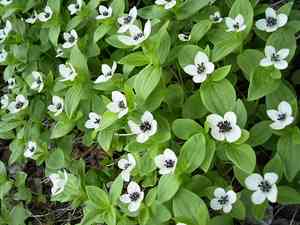
Chickenthief(Mentzelia oligosperma)

Chickenthief (Mentzelia oligosperma)

Also known as: Stickleaf, Smoothstem Blazingstar

Chickenthief, commonly known as Chickweed (Stellaria media), is a low-growing, spreading annual plant.

**Key Characteristics:**

- **Physical Appearance:**
- Features small, delicate white flowers that have a star-like appearance due to their deeply lobed petals.
- The leaves are light green, oval-shaped, and grow in pairs along the stems.
- The stems are slender and fragile, often with a single line of fine hairs.

- **Preferred Growing Conditions:**
- Thrives in cool, moist environments, commonly found in gardens, lawns, and disturbed soils.
- Prefers partial shade but is adaptable to full sun.
- Grows best in nutrient-rich, well-drained soil.

Unlike the tall, sun-loving plants with bright yellow flowers, Chickweed is known for its low stature and ability to spread quickly in favorable conditions.

Attributes of Chickenthief

Lifespan
Perennial
Plant Type
Herb, Shrub
Plant Height
91 cm to 1.8 m
Spread
8-12 inches
Leaf Color
Green
Flower Size
1-2 inches
Flower Color
Yellow

ForwardPlant - Identify plants with a snap

Identify and diagnose plants, get toxicity alerts, and explore safety guides for all types of fungi.

Try for Free

Images of Chickenthief

Chickenthief(Mentzelia oligosperma)

Quickly Identify Chickenthief

1
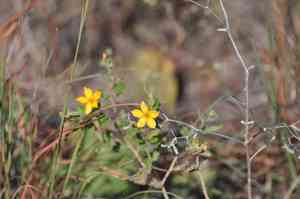
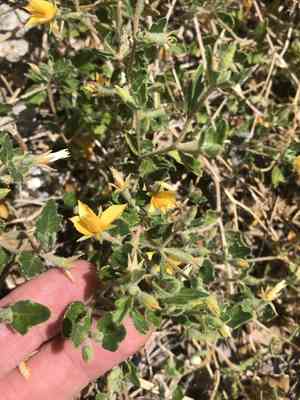
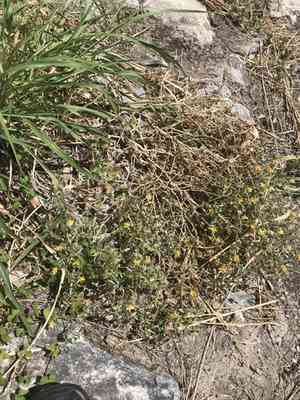
Mentzelia oligosperma can be identified by its bright yellow flowers, which bloom in late summer. The plant has smooth stems with very few leaves, and the leaves are narrow and serrated.

Scientific Classification of Chickenthief

Phylum
Vascular plants
Class
Dicotyledons
Order
Cornales
Family
Loasa
Genus
Blazing star
Species
Chickenthief

Planting and Growing of Chickenthief

Care Difficulty
Easy
Watering Schedule
Every 3 days
Sunlight Requirements
Full sun
Sunshine Duration
6-10 hours
Ideal Temperature
65-75℉
Soil Type
Potting Mix, Peat Mix
Soil pH
6.5-7.5
Fertilizer Type
Balanced
Pruning Season
Spring, Summer
Pruning Area
Branches, Leaves
Pruning Frequency
2 times a year
Repotting Season
Spring
Pot Type
Plastic, Ceramic

water icon How to Water Chickenthief?

Mentzelia oligosperma thrives best with moderate watering, amounting to approximately 250 milliliters per session. The key is to allow the soil to dry out completely between waterings, mimicking its native arid environment. Water thoroughly to ensure it reaches the roots, but avoid leaving the soil soggy to prevent root rot.
What are the symptoms of an underwatered Chickenthief?
What should I do if my Chickenthief is not getting enough water?
What are the symptoms of an overwatered Chickenthief?
How to save an overwatered Chickenthief?

sunlight icon What Are the Sunlight Requirements for Chickenthief?

Sunlight Requirements: Full sun
Duration of light: 8 to 10 hours
Mentzelia oligosperma performs best under full sun with at least 8 hours of direct light daily. Proper sunlight ensures its robust growth and flowering, mimicking its native habitat conditions.
What is the best lighting condition for Mentzelia oligosperma?
How can I ensure Mentzelia oligosperma gets ideal sunlight?
What benefits does Mentzelia oligosperma gain from proper sunlight?

temperature icon What Is the Ideal Temperature Range for Chickenthief?

Ideal Temperature: 65 ~ 75℉
The ideal temperature range for growing Mentzelia oligosperma is between 65 and 75°F. This range ensures optimal growth and flowering while preventing stress to the plant. Maintaining temperatures within this range helps facilitate proper photosynthesis and nutrient absorption, essential for the healthy development of this species.

soil icon What Soil is Best for Chickenthief?

Soil type: Sandy soil, Loam, Sandy loam
Soil PH: 6.5 ~ 7.5
Mentzelia oligosperma thrives in well-draining soil that allows water to pass through easily, preventing root rot. Opting for sandy or loamy substrates ensures roots can breathe and access necessary moisture without becoming waterlogged. This plant adapts to soils low in nutrients, making it suitable for rocky or sandy areas. Its ability to handle poor soils reduces the need for frequent fertilization, allowing it to thrive with minimal intervention. Preferring dry conditions, Mentzelia oligosperma is well-suited for arid environments. Keeping the soil on the drier side mimics its natural habitat and prevents over-watering, which could otherwise harm the plant.

fertilize icon How to Fertilize Chickenthief?

Fertilizer type: Balanced
Mentzelia oligosperma typically requires a moderate amount of fertilizer. For liquid fertilizers, use approximately 1 teaspoon per gallon of water, ensuring good coverage without waterlogging. For slow-release fertilizers, a small handful around the base should suffice.

prune icon How to Prune Chickenthief?

Pruning Time: Spring, Summer
Always use sharp and clean pruning shears to avoid causing unnecessary damage to the plant. Dull tools can lead to ragged cuts which may invite pests and diseases. Sanitize tools before and after pruning to maintain plant health. Regularly inspect the plant for signs of decay, discoloration, or pest infestation. Pruning allows you to remove these affected areas, reducing the risk of spreading disease to healthy parts of the plant. Maintain vigilance to ensure a healthy and vibrant plant. More About Pruning Techniques

propagate icon How to Propagate Chickenthief plant?

Propagate Time: Spring, Early summer
1
Collect seeds from mature Mentzelia oligosperma plants when they have turned brown. Ensure they are fully dry before storage to prevent mold and decay.
2
Prepare a seed-starting soil mix and fill seed trays or small pots. The soil should be lightly packed to ensure airflow and proper drainage.
3
Scatter the seeds evenly over the soil surface and cover them with a light layer of soil, approximately 0.5 cm thick. This light covering ensures adequate sunlight penetration for germination.
More About Propagating Techniques

repot icon How to Repot Chickenthief plant?

Repotting frequency: Every 2-3 years
1
Mentzelia oligosperma signals its need for repotting when its roots begin to protrude from the bottom of the pot or when the soil drains too quickly due to root mass expansion. Ideal times are spring and autumn when the plant is not in its peak growth phase, ensuring minimal stress.
2
Select a pot that allows about two inches of space from the roots to the pot edge. The container should have drainage holes that prevent water from stagnating, which promotes healthy root development by minimizing root rot risks.
3
Opt for well-draining sandy soil as it mimics this plant's natural habitat, enhancing nutrient absorption while avoiding waterlogging. A mixture with perlite or coarse sand can improve aeration and drainage, beneficial for Mentzelia oligosperma's overall health.

ForwardPlant - Identify plants with a snap

Find the best spots for them to optimize their health, simply using your phone.

Try for Free