How to Prune Blackfoot daisy?
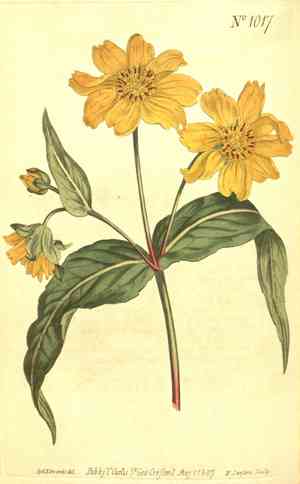
A resilient perennial, blackfoot daisy flourishes under direct sunlight and in adequately drained earth, displaying its characteristic daisy-like blossoms. To ensure peak vitality and abundant flowering, perform light trimming from spring through autumn. This practice fosters denser foliage and eliminates faded flowers. Consistent deadheading will extend the blooming period. Trimming directly above leaf junctions encourages fresh development. Refrain from severe pruning to preserve its inherent rounded form. Pruning improves air movement and deters ailments in blackfoot daisy, particularly in moist environments.
Advantages of Trimming Blackfoot Daisy
Advantages of Trimming Blackfoot Daisy
Trimming blackfoot daisy promotes a more vigorous flowering cycle, enhances overall plant vitality, and helps sustain a dense, visually appealing shape. These actions lead to a healthier specimen better equipped to resist pests and flourish.
Optimal Period for Pruning Blackfoot Daisy
Optimal Period for Pruning Blackfoot Daisy
The recommended times for pruning blackfoot daisy are Spring and Fall, aligning with the start and end of its active growth phase. Pruning in early Spring aids in removing any winter damage and stimulates new growth as the plant emerges from dormancy. The Fall season is also suitable for light trimming, allowing blackfoot daisy to maintain its form and health without the stress of intense heat and potentially inconsistent water conditions of summer. It's crucial to avoid pruning late in the Fall, as new shoots might not harden sufficiently before frost. Pruning within these seasons corresponds with blackfoot daisy's natural growth cycle, ensuring better recovery, revitalized growth, and abundant flowering in the subsequent season.
Necessary Tools for Pruning Blackfoot Daisy
Hand Pruners
Perfect for making clean, precise cuts, hand pruners are ideal for deadheading, shaping, and removing faded blooms on blackfoot daisy without harming adjacent stems.
Pruning Shears
Also known as secateurs, these are suitable for cutting through the relatively slender stems of blackfoot daisy, enabling targeted snipping that encourages denser growth and healthier plants.
Gloves
Protective gloves are vital for safety when handling blackfoot daisy, providing a firm grip and shielding hands from thorns or sharp edges during the pruning process.
How to Prune Blackfoot Daisy
Inspect
Examine blackfoot daisy closely to identify diseased leaves, withered foliage, and spent flowers that need to be removed.
Sanitize
Before beginning to prune, disinfect your pruning tools to prevent the transmission of diseases to healthy parts of blackfoot daisy.
Cutdiseasedleaves
Carefully remove diseased leaves by cutting them at their base where they connect to the stem. Avoid tearing or damaging blackfoot daisy's healthy tissue.
Removewitheredleaves
Trim any withered leaves on blackfoot daisy, ensuring cuts are made close to the base to promote healthier growth and maintain the plant's shape.
Deadheadflowers
Deadhead faded flowers by pinching them off or using scissors to snip them off near the base of the bloom without harming new buds on blackfoot daisy.
Common Pruning Errors with Blackfoot Daisy
Over Pruning
Excessive removal of foliage from blackfoot daisy can stress the plant, leading to weak growth and reduced flowering. It's important to only trim enough to maintain shape and remove dead or damaged parts.
Improper Cuts
Making jagged or torn cuts on blackfoot daisy's stems can introduce pathogens and pests, impeding healthy regrowth. Clean, sharp, and angled cuts help prevent disease and promote quick healing.
Disregarding Plant Shape
Failing to follow the natural shape of blackfoot daisy during pruning can result in an unnatural appearance and hinder its growth. Gardeners should aim to maintain its mounded form.
Ignoring Deadheading
Neglecting to remove spent blooms from blackfoot daisy can lead to a decline in flowering as the plant may prioritize seed production over new blooms.
Pruning Into Woody Stems
Cutting into the old, woody stems of blackfoot daisy can be detrimental, as these parts may not readily produce new growth. Pruning should be done just above the fresh, green growth.
Inadequate Tool Maintenance
Using dull or unclean pruning tools can damage blackfoot daisy's stems and introduce disease. Regularly cleaning and sharpening tools is essential for making clean cuts.
General Pruning Advice for Blackfoot Daisy
Correct Pruning Technique
Use sharp, clean pruners to make angled cuts on blackfoot daisy just above a leaf set or a branching point. This encourages new growth and helps maintain a compact form.
Light Pruning Approach
Adopt a gentle approach when pruning blackfoot daisy, as it prefers minimal interference. Removing only the necessary parts will ensure plant health and vigor.
Periodic Deadheading
Regularly remove spent flowers from blackfoot daisy to encourage continuous blooming throughout the growing season. Deadheading also prevents the plant from investing energy in seed production.
Maintaining Natural Shape
When pruning blackfoot daisy, aim to preserve its mounding habit by cutting back errant growth and maintaining the plant's general symmetry.
Post Bloom Pruning
Once blackfoot daisy has finished a flowering cycle, light pruning can help stimulate another round of blooms and refresh its appearance.
Tool Sanitation
Before and after pruning blackfoot daisy, sanitize tools with a bleach or alcohol solution to minimize the spread of disease between plants.



