
Blackfoot daisy (Melampodium leucanthum)
Also known as: Arnica, Plains blackfoot daisy
Blackfoot daisy plants excel in arid, sunny conditions with minimal water needs. They thrive in well-drained, rocky, or sandy soil and are known for their hardiness. These low-growing plants produce nectar-rich blooms, attracting pollinators and adding beauty to the landscape.
In This Article
Attributes of Blackfoot daisy
Lifespan
Perennial
Plant Type
Herb
Plant Height
15 cm to 1.2 m
Spread
30 cm to 60 cm
Leaf Color
Green Gray
Flower Size
2.5 cm to 8 cm
Flower Color
White Yellow
Images of Blackfoot daisy
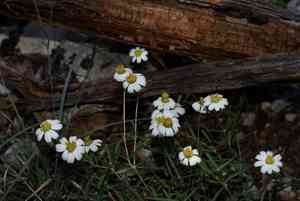
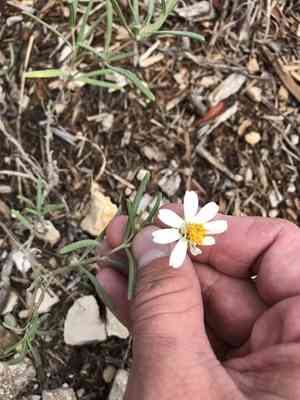
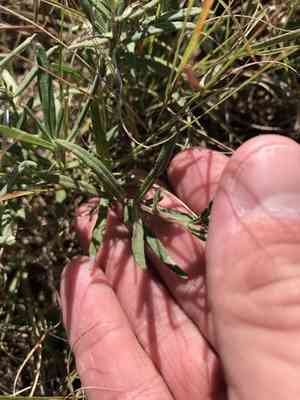
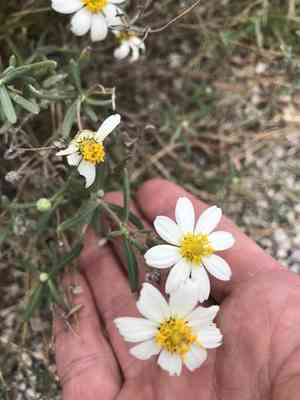
Quickly Identify Blackfoot daisy
1
Robust perennial herb reaching 4 feet (1.22 m) in height
2
Long-lasting yellow flower heads with ray flowers and white-haired peduncles
3
Linear-oblong leaves, 1-2 inches (2.5-5 cm), rough texture, distinct vein pattern
Scientific Classification of Blackfoot daisy
Phylum
Vascular plants
Class
Dicotyledons
Order
Asterales
Family
Daisy
Genus
Melampodium
Species
Blackfoot daisy
Planting and Growing of Blackfoot daisy
Care Difficulty
Easy
Watering Schedule
Every 2 days
Sunlight Requirements
Full sun
Sunshine Duration
4-10 hours
Ideal Temperature
60-75℉
Soil Type
Potting Mix, Peat Mix
Soil pH
6.5-7.5
Fertilizer Type
Balanced
Pruning Season
Spring, Summer
Pruning Area
Branches, Leaves
Pruning Frequency
2 times a year
Repotting Season
Spring
Pot Type
Plastic, Ceramic
 How to Water Blackfoot daisy?
The watering amount for Melampodium leucanthum should be around 250 milliliters per session. This plant thrives with a good soaking that permeates the soil well, ensuring water reaches the roots. The aim is to moisten the soil without leaving it waterlogged. Always allow the top layer of soil to dry out completely before the next watering session.
What are the symptoms of an underwatered Blackfoot daisy?
›
What should I do if my Blackfoot daisy is not getting enough water?
›
What are the symptoms of an overwatered Blackfoot daisy?
›
How to save an overwatered Blackfoot daisy?
›
 What Are the Sunlight Requirements for Blackfoot daisy?
Preferring full sun, Melampodium leucanthum benefits from 6 to 8 hours of direct sunlight, ensuring optimal growth, vibrant flowers, and robust health.
More About Sunlight Requirements Techniques→
What type of sun exposure is best?
›
How can I ensure it gets ideal sunlight?
›
What are the benefits of ideal sunlight?
›
 What Is the Ideal Temperature Range for Blackfoot daisy?
For optimal growth, Melampodium leucanthum thrives in temperatures ranging from 60°F to 75°F. This range ensures that the plant can perform photosynthesis efficiently while maintaining its metabolic rate. Consistent temperatures in this range help to promote lush foliage and vibrant blooms.
 What Soil is Best for Blackfoot daisy?
Melampodium leucanthum thrives in well-drained soils. This is crucial because waterlogged roots can lead to root rot, a common problem in heavy, poorly-draining soils. Though adaptable, this plant benefits from nutrient-rich soil. A balanced diet of nutrients helps enhance its flowering and overall vitality. Properly aerated soil allows air to reach the roots, promoting healthy growth. This is especially important for robust root network development.
 How to Fertilize Blackfoot daisy?
Melampodium leucanthum requires a modest amount of fertilizer to thrive. For liquid fertilizers, use a balanced, diluted all-purpose formula—about half the recommended strength. Apply approximately 1/4 to 1/2 gallon per plant. For slow-release fertilizers, a small scoop about 1 tablespoon per plant applied around the root zone is often adequate.
 How to Prune Blackfoot daisy?
Before starting the pruning process, ensure that all your tools are properly sanitized. This minimizes the risk of spreading diseases to the plant. Use a solution of one part bleach to nine parts water to sanitize your shears effectively. Start by removing any dead, diseased, or damaged leaves. This helps the plant to focus its energy on healthy growth. Carefully cut these portions at a slight angle, just above a node, using sharp pruning shears. Shape the plant to ensure good air circulation by thinning out dense areas. This not only improves plant health by reducing humidity around leaves but also enhances the visual appeal of the plant, allowing it to grow more symmetrically. Regularly deadhead spent flowers to encourage the plant to produce more blooms. Cut just above a leaf node to stimulate new flower growth and keep the plant looking vibrant and full.
More About Pruning Techniques→
 How to Propagate Blackfoot daisy plant?
1
Choose a well-drained potting mix rich in organic matter. Sterilize the soil by baking if necessary to deter pathogens and pests, ensuring optimal conditions for seed germination or cutting establishment.
2
Scatter the seeds evenly on the surface of the prepared soil and cover them lightly with a thin layer of soil or sand. Water gently to avoid displacing the seeds, and maintain consistent moisture by misting regularly.
3
Select healthy stems and use sharp pruners to cut 4- to 6-inch sections below a node. Remove the lower leaves and dip the cut end in a rooting hormone to enhance root development before planting them in a moistened growing medium.
 How to Repot Blackfoot daisy plant?
1
It's time to repot Melampodium leucanthum when you notice stunted growth, roots circling the pot, or soil compacted and lacking nutrients. Repotting ensures healthy growth by providing more space and fresh soil.
2
Select a pot that's one size larger than the current one, with good drainage holes. A larger pot supports root expansion and ensures proper drainage, preventing root rot and encouraging healthier growth.
3
Opt for well-draining sandy soil to mimic the plant's native environment. Good drainage prevents waterlogging, promoting healthy roots and vigorous growth by maintaining an optimal moisture level.



