The Blackfoot daisy Plant Advantage: Maximizing Home and Office Appeal and Wellness
1
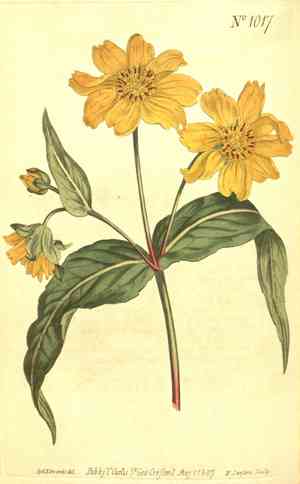
Blackfoot daisy is an easy-care plant ideal for water-wise landscaping.
2
This flower draws in beneficial insects such as bees and butterflies.
3
Blackfoot daisy offers bright blossoms from springtime through autumn.
Why Opt for Blackfoot Daisy in Your Garden?
Enhanced Visual Appeal
A primary reason gardeners select Blackfoot daisy is its striking visual impact. The plant's blossoms display vivid hues that can brighten any setting, serving as a focal point in garden beds or a charming addition to rock gardens. Its extended flowering period, from spring through autumn, ensures your garden stays vibrant and colorful for most of the year.
Minimal Upkeep Requirements
Another key benefit of Blackfoot daisy is its low-maintenance character. Once established, this plant needs infrequent watering, making it a superb choice for xeriscaping. Its drought-resistant qualities not only conserve water but also lessen the time and effort required for garden care. A resilient plant, Blackfoot daisy can flourish in poor soil, contributing to its ease of cultivation.
How Does Blackfoot Daisy Benefit Local Wildlife?
Attracting Pollinators
One ecological advantage of cultivating Blackfoot daisy is its capacity to draw in various pollinators, including bees and butterflies. These insects are vital for pollinating not only Blackfoot daisy but also other plants in your garden, aiding in increased biodiversity and plant health. By offering a food source, this plant supports the local bee population, which is crucial for pollinating many of the fruits and vegetables we consume.
Providing Shelter
Blackfoot daisy also offers a refuge for diverse small animals and insects. Its dense foliage provides cover for beneficial insects that assist in controlling pests in your garden. By planting Blackfoot daisy, you establish a miniature ecosystem that fosters a balanced and healthy garden environment.
What are the Practical Applications of Blackfoot Daisy?
Erosion Prevention
Blackfoot daisy is particularly effective for preventing soil erosion. Its extensive root system helps stabilize the ground, preventing erosion on inclines and hillsides. This makes it a practical option for landscaping projects focused on maintaining soil integrity and preventing water runoff.
Ground Cover Solution
Given its spreading habit, Blackfoot daisy serves as an excellent ground cover. It can quickly fill in bare areas in your garden, reducing weed growth and providing a consistent look to the landscape. As a ground cover, it also aids in retaining soil moisture, adding to its low-maintenance appeal.
Can Blackfoot Daisy Be Grown in Containers?
Ideal for Potted Plants
Yes, Blackfoot daisy is a perfect plant for container gardening. Its compact size and minimal water needs make it simple to grow in pots. Container gardening is excellent for those with limited space or who wish to add decorative elements to patios, balconies, or windowsills.
Flexible Design Choices
When grown in containers, Blackfoot daisy can be combined with other drought-tolerant plants to create stunning arrangements. Its bright blooms contrast beautifully with foliage, making it a versatile option for various garden styles, from rustic to modern.
How to Care for Blackfoot Daisy?
Watering and Soil Needs
While Blackfoot daisy is drought-tolerant, it does benefit from occasional watering during extended dry spells. Plant it in well-draining soil to prevent root rot. Applying mulch around the base can help retain moisture and keep the roots cool.
Pruning and Fertilization
Blackfoot daisy generally doesn't require much pruning, but removing spent flowers can encourage continuous blooming. It is also a light feeder, so a balanced, slow-release fertilizer applied at planting time is usually sufficient for its nutritional requirements.



