How to Prune Niaouli-tree?
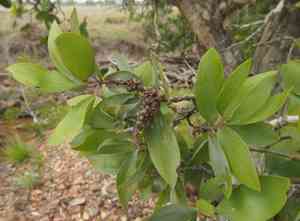
The niaouli-tree is recognized for its glossy, fragrant foliage and appealing yellow or crimson bottlebrush-shaped blossoms. The most effective time for pruning niaouli-tree is in early spring or late winter, focusing on removing deceased or ailing branches to foster robust development. Gentle trimming stimulates denser growth, whereas more extensive pruning can revitalize mature specimens. Consistent shaping preserves its form and prevents excessive density. Appropriate pruning improves air circulation and light exposure, thereby lowering the likelihood of disease and boosting the plant's general health.
Advantages of Trimming Niaouli-tree?
Advantages of Trimming Niaouli-tree?
Trimming niaouli-tree encourages robust development and maintains its form. It improves air movement, which lowers pest and disease risks, and fosters healthier, denser foliage. Regular trimming also helps preserve the desired shape and size for landscape appeal.
Optimal Time for Trimming Niaouli-tree?
Optimal Time for Trimming Niaouli-tree?
Trimming niaouli-tree in early spring and late winter is ideal as this period coincides with the plant's dormant stage, reducing stress and encouraging healthy growth as the plant begins its active season. Pruning during these times helps manage its shape and remove any damaged or diseased branches without disrupting its flowering cycle. Furthermore, it prepares niaouli-tree for abundant blooms in the upcoming season, ensuring better health and vigor.
Required Tools for Trimming Niaouli-tree?
Hand Pruners
Perfect for precise cuts on smaller branches and stems up to 1/2 inch thick. Essential for detailed trimming tasks to shape niaouli-tree.
Loppers
Offer leverage to cut through thicker branches between 1/2 inch and 2 inches. Necessary for managing larger branches without harming niaouli-tree.
Pruning Saw
Useful for cutting branches exceeding 2 inches in diameter. Ensures clean cuts, which reduces the risk of disease in niaouli-tree.
Pole Pruner
Allows for trimming higher branches without needing to climb, beneficial given the potential height of niaouli-tree.
Bypass Pruners
Recommended for live branches as they create clean cuts, promoting faster healing and reducing stress on niaouli-tree.
How to Trim Niaouli-tree
Evaluation
Inspect niaouli-tree to identify dead and diseased branches that require removal. This initial assessment helps determine the plant's overall health and trimming requirements.
Tool Preparation
Prepare sharp, sanitized trimming tools like secateurs or loppers to ensure clean cuts. Sterilization prevents the spread of disease during the trimming process.
Remove Dead Branches
Carefully cut away dead branches by making clean cuts just above the branch collar (the swollen area where the branch meets the trunk or parent branch). This promotes healing and reduces infection risk.
Remove Diseased Branches
Cut away diseased branches back to healthy wood. Make the cut several inches below the visibly affected area to ensure all diseased tissue is removed. Dispose of these branches properly to prevent disease spread.
Inspection and Completion
After removing dead and diseased branches, re-inspect niaouli-tree to confirm all compromised parts have been trimmed. Perform any additional cuts needed to improve the plant's structure and appearance. Clean and sanitize tools before storage.
Common Trimming Errors with Niaouli-tree
Incorrect tools
Using dull or unsuitable tools can cause jagged cuts, creating potential entry points for disease. Always ensure tools are sharp and clean.
Excessive trimming
Removing too much foliage can stress niaouli-tree, hindering its ability to photosynthesize and potentially leading to poor growth.
Improper technique
Not following correct cutting angles and failing to make clean cuts can damage the plant and impede its regenerative capabilities.
Trimming at wrong locations
Cutting too far from a node or bud can result in dieback, which can negatively impact the plant's overall health.
General Trimming Advice for Niaouli-tree
Utilize sharp tools
Ensure trimming shears or saws are sharp to create clean, smooth cuts that heal quickly.
Maintain plant form
Regularly remove any crossing, rubbing, or inward-growing branches to preserve a desirable shape and encourage good air circulation.
Focus on dead or diseased wood
Prioritize removing dead, diseased, or damaged branches to prevent the spread of diseases and pests.
Cut at the correct spot
Always make cuts just above a node or bud at a slight angle to promote proper healing and regrowth.
Trim gradually
Instead of removing large sections all at once, consider gradual trimming to reduce stress on the plant while shaping and managing growth.



