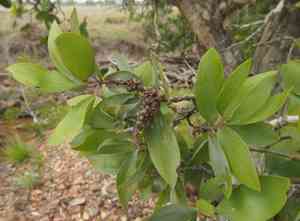
Niaouli-tree (Melaleuca viridiflora)
Also known as: Greenflower tea
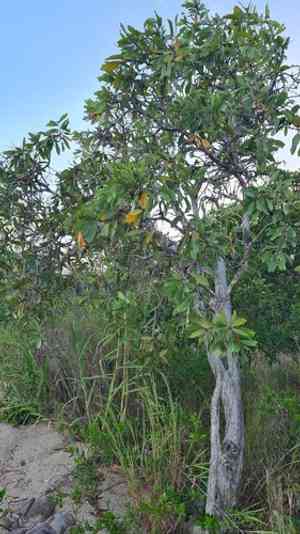
The Niaouli tree is a hardy small tree or large shrub, characterized by its white or cream-colored bottlebrush-like flowers. Its evergreen, lance-shaped leaves are adapted to its native environments, which include coastal areas and swamps in Australia. The tree thrives in wet, sunny conditions and can withstand various environmental stresses, such as flooding, salinity, and drought. Its unique peeling bark and essential oil with antiseptic properties add to its distinctive and resilient nature.
In This Article
Attributes of Niaouli-tree
Lifespan
Perennial
Plant Type
Tree, Shrub
Plant Height
Up to 10 meters
Spread
Up to 8 meters
Leaf Color
Green
Flower Size
3-5 cm
Flower Color
Red, sometimes green
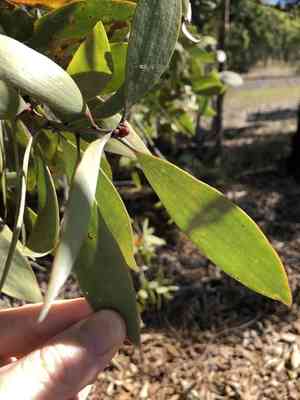
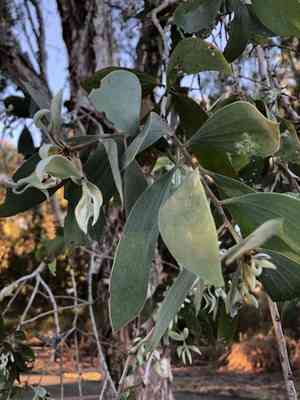
Images of Niaouli-tree
Quickly Identify Niaouli-tree
1
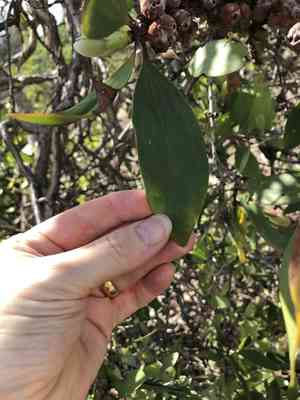
To identify Melaleuca viridiflora, look for its distinctive papery bark, lance-shaped leaves, and bright red or green bottlebrush-shaped flowers. The leaves are aromatic when crushed.
Scientific Classification of Niaouli-tree
Phylum
Vascular plants
Class
Dicotyledons
Order
Myrtales
Family
Myrtle
Genus
Tea trees
Species
Niaouli-tree
Planting and Growing of Niaouli-tree
Care Difficulty
Moderate
Watering Schedule
Every 2 days
Sunlight Requirements
Full sun
Sunshine Duration
4-8 hours
Ideal Temperature
65-77℉
Soil Type
Potting Mix, Peat Mix
Soil pH
6.5-7.5
Fertilizer Type
Balanced
Pruning Season
Spring, Summer
Pruning Area
Branches, Leaves
Pruning Frequency
2 times a year
Repotting Season
Spring
Pot Type
Plastic, Ceramic
 How to Water Niaouli-tree?
Melaleuca viridiflora thrives with deep watering, ensuring the water penetrates at least 6 inches into the soil. This allows the roots to absorb moisture effectively. It’s best to allow the soil to dry out between waterings to prevent rot while maintaining a consistent moisture level.
What are the symptoms of an underwatered Niaouli-tree?
›
What should I do if my Niaouli-tree is not getting enough water?
›
What are the symptoms of an overwatered Niaouli-tree?
›
How to save an overwatered Niaouli-tree?
›
 What Are the Sunlight Requirements for Niaouli-tree?
With full sun exposure, Melaleuca viridiflora can achieve its full growth potential, manifesting in healthy and lush foliage. Adequate sunlight stimulates consistent flowering, enhancing its ornamental value and ecological vitality.
What is the ideal sunlight exposure for Melaleuca viridiflora?
›
How to achieve ideal lighting conditions?
›
Benefits of ideal sunlight exposure for Melaleuca viridiflora?
›
 What Is the Ideal Temperature Range for Niaouli-tree?
Melaleuca viridiflora thrives best in environments where the temperature is consistently between 65°F and 77°F. This temperature range allows the plant to maximize its growth rate, assures effective photosynthesis, and maintains good overall health. Furthermore, maintaining this range supports the plant's capacity for flowering and contributes to its vibrant green foliage.
 What Soil is Best for Niaouli-tree?
Melaleuca viridiflora thrives in well-drained soil because its roots need access to both air and moisture. With such soil, the plant can prevent root rot which otherwise would occur in waterlogged conditions, promoting healthier and more vigorous growth. This plant benefits from nutrient-rich soil that can support its rapid growth. The soil should have adequate organic content to ensure it supplies enough nutrients, contributing to lush foliage and potentially more plentiful flowering. While the soil should drain well, it should also retain adequate moisture to support the plant during dry spells. This balance helps in maintaining consistent hydration, thereby preventing stress and promoting steady growth.
 How to Fertilize Niaouli-tree?
Melaleuca viridiflora benefits from a balanced approach to fertilizer application. For liquid fertilizers, use approximately 1 liter of diluted solution with a nutrient ratio around 10-10-10 every time you fertilize. For solid slow-release granules, aim for about 50 grams per application, evenly distributed in the soil around the plant.
 How to Prune Niaouli-tree?
Begin by removing any dead, damaged, or diseased stems. This helps to prevent the spread of pathogens and keeps the plant healthy. Use clean, sharp tools to make clean cuts to facilitate healing. To shape the plant, identify the main branches and trim them back slightly. Focus on maintaining a balanced shape and removing any crossing or inward-growing branches to encourage natural form. It's crucial to open up the plant's structure by thinning out crowded branches. This enhances air circulation, which reduces the risk of fungal infections and ensures light reaches the inner parts of the plant.
More About Pruning Techniques→
 How to Propagate Niaouli-tree plant?
1
Start by filling the seed tray with a sterile potting mix. Sow seeds thinly and cover lightly with soil, as adequate light exposure is necessary for germination. Water gently to settle the soil without washing away seeds.
2
Select healthy shoots from the parent plant, ideally 4-6 inches long, and make a clean cut just below a leaf node. Remove leaves from the lower half of the cutting and dip the cut end in rooting hormone to encourage root development.
3
Insert the prepped cuttings into a pot filled with moist, well-draining potting mix. Maintain high humidity and place the pot in a warm, bright spot out of direct sunlight. Regularly mist the cuttings to prevent dehydration.
 How to Repot Niaouli-tree plant?
1
Look for signals like roots growing out of the drainage holes or the plant becoming root-bound, where the roots start circling inside the pot. Also, if the soil becomes compacted and drains poorly, it's an indicator to repot. Spring is ideal as the plant responds well to the increased warmth and can recover quickly.
2
Select a pot that's only slightly larger than the current one, about 1-2 inches bigger in diameter. This ensures that the plant doesn't get overwhelmed with too much soil, which can hold excess moisture and potentially cause root rot. Opt for pots with drainage holes to prevent waterlogging, which Melaleuca viridiflora is particularly sensitive to.
3
Choose a well-draining potting mix, ideally one mixed with sand or perlite to ensure excellent drainage. This species thrives in soils that don't retain much moisture, mimicking its natural habitat. Good drainage in the soil prevents root rot and allows the roots to breathe.
Learn More About Niaouli-tree Diseases
Anthracnose
Bacterial Leaf Spot
Chemical Injury
Crown Gall
Damping-off
Downy Mildew
Drought Stress
Fusarium Wilt
Gray Mold
Leaf Curl
Leaf Spot
Mosaic
Nutrient Deficiency
Nutrient Toxicity
Powdery Mildew
Root Rot
Root-knot Nematode
Rusts
Sooty Mold
Spider Mites
Temperature Stress
Thrips Damage
White Mold



