How to Propagate Niaouli-tree?
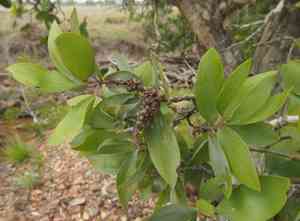
Melaleuca quinquenervia is a robust evergreen recognized for its papery bark and pungent, pointed foliage. Reproducing it through cuttings yields good results; utilize semi-hardwood sections harvested from vigorous mature specimens. Confirm that cuttings measure between 10 and 15 cm and carefully remove the bottom leaves. Insert cuttings into a well-aerated, damp substrate and sustain high moisture levels. Sufficient illumination and warmth foster the growth of roots. After rooting, transfer them to separate containers prior to relocating them to an outdoor setting.
When Is the Best Time to Propagate Niaouli-tree?
Propagation Type
Cutting
Propagation Season
Fall,Winter
What Tools Are Used in Niaouli-tree Propagation?
Sharp Pruning Shears
Utilized for taking robust cuttings from niaouli-tree. Keen blades are vital for making precise cuts, preventing plant damage and lowering infection risk.
Rooting Hormone
Aids in stimulating root development in niaouli-tree cuttings. Enhances the likelihood of successful root establishment, crucial for mature, thriving plants.
Propagation Tray
Offers a clean, regulated environment for niaouli-tree cuttings. Ensures proper spacing and lessens resource competition among propagated cuttings.
Sterilized Potting Media
Provides a pathogen-free growing substrate for niaouli-tree cuttings. Helps improve drainage and aeration, essential for new root formation.
Transparent Plastic Cover/Dome
Maintains elevated humidity levels, which are crucial for niaouli-tree cuttings to prevent drying out before roots form. Its clarity allows light for photosynthesis.
Misting Bottle
Enables gentle, accurate watering of niaouli-tree cuttings, keeping the medium moist without saturation. High humidity is key, especially early on, to reduce water stress.
Labeling Tags
Ensures efficient tracking and monitoring of various niaouli-tree cuttings and their stages. Important for record-keeping and an organized propagation process.
How to Propagate Niaouli-tree?
Propagation Type
Moderately Difficult
How to Care for Your Newly Propagated Niaouli-tree?
How to Care for Your Newly Propagated Niaouli-tree?
Once niaouli-tree cuttings have rooted successfully and show new growth, gradually introduce them to outdoor conditions by increasing sun exposure and decreasing humidity. Transplant them into larger containers or directly into the ground in a spot with full sun to partial shade. Ensure the soil drains well and water regularly, letting the top inch of soil dry between waterings. Apply mulch around the base to retain moisture and control weeds. Fertilize occasionally with a balanced, slow-release product to encourage robust growth.
Common Mistakes to Avoid When Propagating Niaouli-tree
Overwatering
Excessive moisture can lead to root rot and fungal diseases, hindering root development.
Poor Soil Quality
Using non-well-draining soil can suffocate roots, limiting oxygen and causing water retention issues.
Exposing Cuttings to Direct Sunlight
Direct sunlight can desiccate and damage delicate cuttings, reducing rooting success.
Incorrect Cutting Preparation
Failing to use clean, sharp tools or making improper cuts can lead to infections and unsuccessful rooting.
Inadequate Temperature Control
Not maintaining optimal warmth, especially during early root formation, can slow or prevent root growth.
Neglecting Humidity Levels
Insufficient humidity can cause the cuttings to dry out before they establish roots.
Tips For Propagating Niaouli-tree
Use Well-Draining Soil
Ensure the planting medium drains effectively to prevent waterlogging and promote healthy root development.
Maintain Moderate Watering
Keep the soil consistently moist but not saturated to balance hydration needs and prevent rot.
Place Cuttings in Indirect Light
Provide bright, indirect light to foster growth without stressing the cuttings.
Use Clean Cutting Tools
Always use sanitized, sharp tools to make clean cuts, minimizing infection risk.
Ensure Warm Temperatures
Keep the propagation environment warm, ideally between 20-25°C, to encourage root growth.
Maintain High Humidity
Use a humidity dome or mist the cuttings regularly to create a moisture-rich environment, aiding in root formation.



