How to Prune Alfalfa?
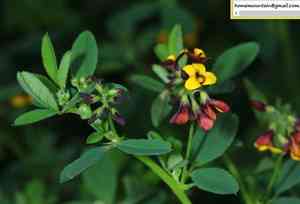
A persistent leguminous plant recognized for its vigorous development and capacity to assimilate nitrogen, alfalfa flourishes in diverse environments, rendering it a significant fodder crop. Efficient trimming of alfalfa involves reducing the plant by one-third in the initial part of spring to stimulate fresh development. Furthermore, gentle shearing subsequent to each blooming period fosters denser growth and averts excessive seed production. This upkeep not only revitalizes alfalfa but also elevates its dietary value and output. Perform pruning during spring, summer, or autumn for peak outcomes.
What Are the Benefits of Pruning Alfalfa?
What Are the Benefits of Pruning Alfalfa?
Trimming alfalfa promotes robust development and helps maintain its desired form. Consistent cutting prevents excessive growth, ensuring the plant's optimal health and output.
What Is the Best Time for Pruning Alfalfa?
What Is the Best Time for Pruning Alfalfa?
Pruning alfalfa in Spring, Summer, and Fall aligns with the plant's active growth phases, which allows for rapid recovery and healthier regrowth. Spring pruning prepares alfalfa for vigorous growth by removing old or dead parts as the plant exits dormancy. Summer pruning helps manage growth and maintain plant shape, ensuring energy is directed towards healthy shoots. Fall pruning is crucial for removing any parts that could harbor pests or diseases over winter, thereby protecting overall plant health. These seasons avoid the dormant winter period where pruning could stress the plant and hinder spring recovery.
What Tools Do I Need to Prune Alfalfa?
Hand Pruners
Perfect for clipping thinner stems and branches of alfalfa, hand pruners deliver precise cuts without harming the plant's tissues. They are especially useful for selectively removing dead or unwanted stems to encourage healthier growth.
Hedge Shears
Given alfalfa's dense foliage, hedge shears are excellent for trimming and shaping the plant. These shears allow for quick, uniform cuts across larger areas, making them perfect for managing the shape and size of alfalfa.
Pruning Saw
For the thicker, older stems of alfalfa that hand pruners cannot handle, a pruning saw is necessary. This tool helps in making clean cuts through thick branches, promoting good plant health by removing potentially diseased or pest-infested branches.
How to Prune Alfalfa
Identify
Locate the withered or yellowed leaves on alfalfa. As alfalfa is a perennial, pay special attention to older foliage showing signs of age or illness.
Prepare
Gather the necessary tools for pruning alfalfa. Use clean, sharp scissors or pruning shears. Sterilize the tools before use to prevent the spread of diseases.
Cut
Sever the withered leaves at their base near the stem. Make clean cuts to avoid tearing, which can expose the plant to infections.
Dispose
Properly discard the removed leaves. Do not leave them near alfalfa as they can harbor pests or diseases that might re-infect the plant.
Monitor
Regularly observe alfalfa after pruning for any indications of new growth or further wilting. This will help in maintaining the health and vigor of alfalfa.
Common Pruning Mistakes with Alfalfa
Over-pruning
Excessive pruning can stress alfalfa, potentially leading to reduced vigor and fewer blooms. It's crucial not to remove more than one-third of the plant at any one time.
Improper cutting technique
Using dull or unclean tools can damage alfalfa's stems, leading to jagged cuts that poorly heal and may introduce disease.
Pruning at wrong time
Pruning alfalfa during active growth or flowering phases may inadvertently remove buds or flowers, diminishing its reproductive success.
Common Pruning Tips for Alfalfa
Use sharp, clean tools
Ensure tools are sterilized and sharp to make clean cuts that heal quickly, minimizing stress and disease risk.
Prune for shape and health
Focus on removing dead or diseased stems and thinning out dense areas to improve air circulation and light penetration, which are essential for the health and vigor of alfalfa.
Moderate pruning is key
A lighter touch is often enough to encourage healthier growth and flowering in alfalfa, particularly by focusing on selective thinning rather than hard cutting back.



