How to Propagate Alfalfa?
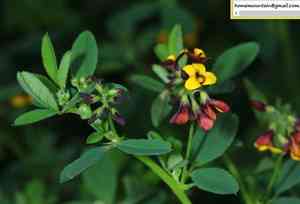
Alfalfa flourishes when reproduced by seeding. For optimal outcomes, choose premium seeds and prepare a growing medium that drains effectively and is abundant in organic material. Sow the seeds at a suitable depth—generally no more than double the seed's diameter—to guarantee proper contact with the soil and prevent excessive burial, which could hinder sprouting. Steady hydration and sufficient light are vital during the initial growth phases to encourage vigorous root formation and overall plant vitality.
Optimal Period for Alfalfa Propagation
Propagation Method
Seeding
Propagation Period
Spring
Equipment for Alfalfa Propagation
Seed trays
Seed trays are crucial for initiating alfalfa seeds indoors, allowing for environmental control. They facilitate uniform development by providing ample space for each seed, ensuring sufficient room for growth without crowding. This is vital for maintaining the health and viability of young alfalfa plants.
Soil mix
A premium soil blend, incorporating compost or peat moss and perlite, improves drainage and aeration, which are essential for alfalfa seed germination. This mixture supports robust root development and reduces the risk of soil-borne illnesses, which can be detrimental during the early growth phases.
Misting bottle
A misting bottle assists in maintaining ideal moisture levels during alfalfa's germination phase. Regular misting keeps the soil damp but not saturated, which is crucial for alfalfa seed germination. This tool helps prevent the soil from drying out, which can negatively impact seed viability.
Heat mat
A heat mat ensures a consistent soil temperature, which is critical for alfalfa germination. It guarantees stable soil warmth, especially in cooler climates or during colder months, thereby boosting the germination rate and growth uniformity.
Grow lights
Grow lights supply the necessary light spectrum for alfalfa seedlings, particularly when natural sunlight is insufficient. This tool is vital for photosynthesis and the overall indoor growth of seedlings, ensuring they develop strong and healthy before transplanting.
How to Propagate Alfalfa?
Propagation Type
Simple
Post-Propagation Care for Alfalfa
Post-Propagation Care for Alfalfa
Following propagation, continue to irrigate alfalfa regularly, especially during dry periods, to encourage vigorous growth. Schedule periodic fertilization with a balanced nutrient solution to meet nutritional demands. Implement a strategy for pest and disease management, routinely inspecting the plants. Seasonal mowing or cutting can help maintain vitality and promote denser growth.
Common Errors to Avoid When Propagating Alfalfa
Overwatering
Excessive or frequent watering of alfalfa can lead to root rot, a condition where surplus moisture suffocates and decomposes the roots, ultimately hindering the plant's capacity to absorb nutrients and water.
Using non-sterile tools or pots
Attempting propagation with unsterilized tools or containers can introduce pathogens to alfalfa, resulting in diseases that can severely impede growth and propagation success.
Ignoring root nodulation
Alfalfa forms a symbiotic relationship with nitrogen-fixing bacteria in its roots. Neglecting the health of these root nodules can lead to poor nitrogen uptake, affecting overall plant vigor and propagation efficiency.
Tips For Propagating Alfalfa
Proper soil preparation
Prepare a well-draining soil mix with sufficient organic matter to support alfalfa's growth. Ensuring good drainage will help prevent root diseases and support healthier growth.
Monitoring moisture levels
Maintain consistent moisture, but avoid overwatering. Implement a watering regimen that allows the soil to dry out slightly before watering again, promoting stronger root growth.
Using sterile equipment
Always use sterile propagation tools and clean pots to minimize the risk of disease. Disinfecting your tools can prevent the spread of bacteria, fungi, and viruses.



