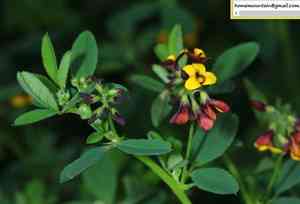
Alfalfa (Medicago ruthenica)
Also known as: Ruthenian Milk Vetch, Russian Medick
Alfalfa (Medicago sativa) is a tall, upright perennial plant. It features trifoliate leaves that are dark green with smooth edges and small, purple flowers. Unlike clover, alfalfa grows up to 1 meter in height and has an extensive root system. It is commonly cultivated in agricultural settings, primarily in North America, Europe, and parts of Asia, where it is used as a forage crop and for soil enrichment.
In This Article
Attributes of Alfalfa
Lifespan
Annual
Plant Type
Herb
Plant Height
30-80 cm
Spread
Varies, generally small and compact
Leaf Color
Green
Flower Size
0.5-1 cm
Flower Color
Yellow
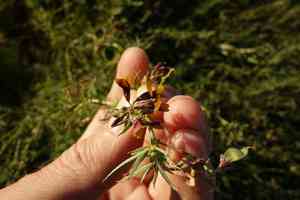
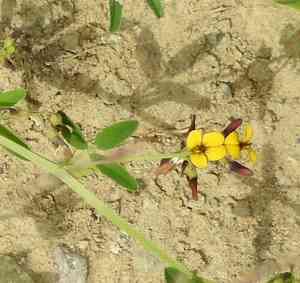
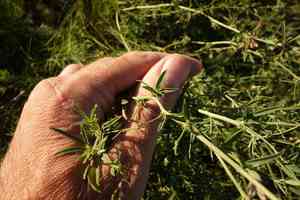
Images of Alfalfa
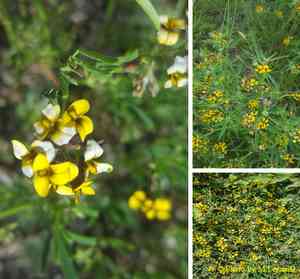
Quickly Identify Alfalfa
1
Medicago ruthenica can be identified by its clover-like leaves with small, oblong leaflets, and clusters of small yellow flowers. The plant also produces spiral seed pods.
Scientific Classification of Alfalfa
Phylum
Vascular plants
Class
Dicotyledons
Order
Fabales
Family
Legume
Genus
Medicks
Species
Alfalfa
Planting and Growing of Alfalfa
Care Difficulty
Moderate
Watering Schedule
Every 2 days
Sunlight Requirements
Full sun
Sunshine Duration
6-10 hours
Ideal Temperature
68-77℉
Soil Type
Potting Mix, Peat Mix
Soil pH
6.5-7.5
Fertilizer Type
Balanced
Pruning Season
Spring, Summer
Pruning Area
Branches, Leaves
Pruning Frequency
2 times a year
Repotting Season
Spring
Pot Type
Terracotta, Plastic
 How to Water Alfalfa?
Medicago ruthenica prefers a moderate amount of water, roughly 500 ml each session. It's crucial to water this plant until the soil is moist but not soggy, mimicking its natural environment with well-draining soil to prevent waterlogging.
What are the symptoms of an underwatered Alfalfa?
›
What should I do if my Alfalfa is not getting enough water?
›
What are the symptoms of an overwatered Alfalfa?
›
How to save an overwatered Alfalfa?
›
 What Are the Sunlight Requirements for Alfalfa?
Medicago ruthenica thrives in full sun to partial sun set-ups. Ideal lighting conditions ensure optimal photosynthesis, which promotes vigorous growth, enhances flowering potential, and strengthens plant structure.
What is the best light environment?
›
How to achieve the ideal lighting?
›
What are the benefits of ideal lighting?
›
 What Is the Ideal Temperature Range for Alfalfa?
Medicago ruthenica thrives best within temperatures ranging from 68°F to 77°F. This temperature range helps facilitate optimal photosynthesis and physiological functions, leading to healthy growth and optimal flower and seed production.
 What Soil is Best for Alfalfa?
Medicago ruthenica thrives in well-drained soil, which prevents waterlogging and root rot. Proper drainage ensures robust growth and enhances nutrient uptake, making for a healthier plant. This plant benefits from loamy soil enriched with organic matter, ensuring ample nutrients for its growth. Nutrient-rich soil promotes lush foliage and vigorous flowering. While Medicago ruthenica appreciates moisture, it doesn't tolerate overly wet conditions. Soil with moderate moisture retention balances hydration and aeration, optimizing plant health.
 How to Fertilize Alfalfa?
Medicago ruthenica benefits from a balanced application of fertilizer that delivers an optimal mix of nutrients. Use approximately 1 tablespoon of liquid fertilizer diluted in a gallon of water for monthly use. For slow-release options, follow the manufacturer's instructions but generally use about 2 to 4 ounces per plant annually.
 How to Prune Alfalfa?
Begin by inspecting the plant closely for any dead, diseased, or damaged stems. Remove these first as they can harbor pests and diseases that may spread to healthy parts of the plant. Start shaping by cutting any leggy or overgrown branches. Aim for a well-balanced, symmetrical shape that allows sunlight to reach the inner foliage, which is crucial for overall plant health. To stimulate new growth, prune back the tips of the branches slightly. This encourages the plant to produce more lateral shoots, resulting in fuller growth and potentially more flowers.
More About Pruning Techniques→
 How to Propagate Alfalfa plant?
1
Start by collecting seeds from mature plants. Soak the seeds in warm water for 12 hours to enhance germination. This softens the seed coat, making it easier for the embryo to emerge.
2
Select healthy, disease-free stems and cut 4-6 inch segments. Dip the cut end in rooting hormone to stimulate root growth and plant it in moist, well-draining soil or perlite.
3
Once seedlings have developed their second set of leaves, transplant them into larger pots or directly into the garden. Ensure they are placed in a location with adequate sunlight and good soil drainage.
 How to Repot Alfalfa plant?
1
Monitor your Medicago ruthenica for signs such as roots growing through drainage holes or becoming root-bound within its container. These indicators suggest it's time to repot. Typically, early spring or autumn are ideal seasons for repotting, as the plant is not in its active growth phase and can recover more easily.
2
Select a pot that is one size larger than the current one, ensuring it has adequate drainage holes. A slightly bigger pot allows room for growth while preventing water from stagnating, thus avoiding root rot. The material can vary from terracotta to plastic, depending on your climate and watering habits.
3
Opt for a well-draining sandy loam soil. Such soil mixes allow for sufficient air circulation and drainage, which is beneficial for the health of Medicago ruthenica. Avoid heavy clay soils that retain water, as they can lead to root rot and other moisture-related issues.
Learn More About Alfalfa Diseases
Anthracnose
Bacterial Leaf Spot
Bacterial Wilt
Crown Gall
Cyst Nematode
Damping-off
Downy Mildew
Drought Stress
Fusarium Wilt
Gray Mold
Leaf Spot
Mosaic
Nutrient Deficiency
Nutrient Toxicity
Powdery Mildew
Root Rot
Root-knot Nematode
Rusts
Sooty Mold
Spider Mites
Temperature Stress
Thrips Damage
White Mold



