How to Prune Tifton bur clover?
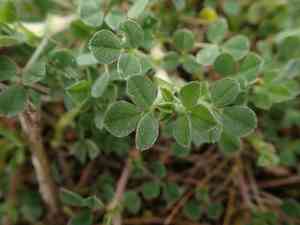
Tifton bur clover, a legume recognized for its capacity to fix nitrogen and withstand dry conditions, thrives with trimming to encourage development and enhance air circulation. The most suitable periods for pruning are late spring, summer, or early autumn, after its primary growth phase. Consistent trimming during these months aids in preserving the plant's well-being and averting excessive growth, thereby boosting its visual attractiveness and ecological advantages such as soil improvement. Making precise cuts and eliminating solely overgrown or deceased portions will maximize the plant's vitality and output.
Advantages of Trimming Tifton Bur Clover
Advantages of Trimming Tifton Bur Clover
Trimming tifton bur clover encourages robust development and maintains its form, crucial for preventing excessive growth and ensuring peak health and visual appeal.
Optimal Period for Trimming Tifton Bur Clover
Optimal Period for Trimming Tifton Bur Clover
Trimming tifton bur clover during Spring, Summer, and Fall is ideal due to the plant's active growth phase in these seasons. Spring trimming stimulates new growth and helps shape the plant as it emerges from dormancy. Summer trimming is beneficial for removing any dead or diseased foliage, maintaining plant health, and controlling its size. Trimming in Fall is optimal for preparing tifton bur clover for winter, by removing old growth and minimizing the risk of disease and pest infestation during the colder months.
Necessary Tools for Trimming Tifton Bur Clover
Hand Pruners
Perfect for cutting and shaping tifton bur clover due to its compact size and manageable growth. Hand pruners allow for precise cuts, thereby minimizing harm to delicate stems.
Garden Shears
Useful for cutting back denser areas of tifton bur clover to maintain its shape and promote healthy growth. Garden shears can handle thicker stems and clusters, making them suitable for seasonal heavy trimming.
Pruning Saw
Recommended for older, woodier stems of tifton bur clover that may have become tough over time. A pruning saw helps in managing such growth without causing strain on smaller tools.
How to Trim Tifton Bur Clover
Identify
Locate and inspect tifton bur clover's withered leaves. Carefully assess each part to ensure only the damaged or old leaves are targeted for removal.
Prepare tools
Ready the appropriate tools. Use clean, sharp scissors or pruning shears that will make precise cuts without damaging the surrounding healthy foliage of tifton bur clover.
Cutting technique
Cut the withered leaves at their base. Make angled cuts close to the stem to promote healthier growth and aesthetic appeal without harming the vital parts of tifton bur clover.
Dispose
Remove and discard the trimmed leaves properly. Keeping tifton bur clover's surrounding area free from decaying plant material helps prevent the spread of diseases and pests.
Monitor health
After trimming, regularly observe tifton bur clover for signs of new growth or any further distress. Maintaining vigilance will help in early detection and management of potential issues.
Common Trimming Errors with Tifton Bur Clover
Over-trimming
Trimming too much of tifton bur clover at once can shock the plant, leading to reduced vigor and poor development. This is particularly damaging since tifton bur clover needs sufficient foliage to support its growth and reproductive processes. Removing more than one-third of the plant at any one time can be detrimental.
Incorrect cutting method
Using dull or dirty trimming tools can lead to jagged cuts or introduce diseases to tifton bur clover. Clean, sharp shears should be used to make clean cuts that heal quickly, limiting the risk of infection and stress on the plant.
Ignoring dead or damaged stems
Failing to regularly remove dead or damaged stems from tifton bur clover can hinder its ability to produce healthy new growth. These parts of the plant can harbor pests or diseases that could affect the rest of the plant.
General Trimming Advice for Tifton Bur Clover
Timely trimming
For tifton bur clover, periodic light trimming is more beneficial than infrequent heavy trimming. This approach encourages healthier, more manageable growth and prolongs the plant's life by preventing the stress of major trimming sessions.
Trim for shape and health
When trimming tifton bur clover, focus on shaping the plant to enhance its natural structure and remove only the parts that are necessary such as weak, overgrown, or crossed branches. This promotes better air circulation and light penetration, which are vital for the health of tifton bur clover.
Sanitation
Always clean trimming tools before and after use on tifton bur clover to prevent the spread of disease. Use a solution of one part bleach to nine parts water to sterilize your tools. This simple practice protects tifton bur clover from potentially harmful pathogens.



