How to Propagate Tifton bur clover?
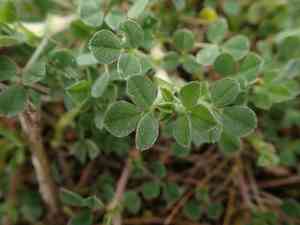
Tifton bur clover flourishes when reproduced via seeding. Begin by utilizing new seeds for peak sprouting, distributing them uniformly in adequately draining earth under direct sunlight. Confirm the substrate stays damp yet not oversaturated throughout the germination phase. Consistent irrigation and a balanced nutrient program will aid in firmly establishing young specimens, encouraging strong growth and maturation.
Optimal Time for Tifton Bur Clover Propagation
Propagation Method
Seeding
Propagation Period
Spring
Tools for Tifton Bur Clover Propagation
Seed Trays
Seed trays are perfect for starting tifton bur clover from seeds, offering a controlled space for each seedling. The individual compartments help maintain separation, reducing root disturbance during transplanting. This feature is beneficial for tifton bur clover, allowing for easier handling and better growth monitoring of young plants.
Quality Potting Mix
A sterile, nutrient-rich potting mix supports optimal tifton bur clover seedling growth by ensuring good drainage and sufficient moisture retention. The soil's texture and fertility are vital for the initial growth phase, fostering stronger root development essential for the resilience and health of tifton bur clover.
Growth Lights
Growth lights are especially useful when propagating tifton bur clover indoors or in areas with insufficient natural sunlight. These lights help mimic natural light conditions, promoting photosynthesis and ensuring healthy growth during the critical early stages of tifton bur clover seedlings.
Watering Can with a Fine Rose
This tool is crucial for gently watering seed trays containing tifton bur clover seedlings. A watering can with a fine rose attachment ensures a soft, even water distribution that won't disturb seeds or young plant roots, providing just the right amount of moisture for germination and growth.
Heat Mats
Heat mats help maintain a consistent soil temperature, which is crucial for tifton bur clover seed germination. The warmth provided by these mats is particularly important in cooler climates or during colder months, ensuring the propagation process isn't hindered by environmental temperature drops.
Labeling Stakes
Using labeling stakes allows for efficient organization and tracking of tifton bur clover during propagation. These stakes can be used to note the sowing date and specific care instructions, which is critical for monitoring growth progress and maintaining proper cultivation practices.
How to Propagate Tifton Bur Clover?
Propagation Type
Simple
Caring for Newly Propagated Tifton Bur Clover
Caring for Newly Propagated Tifton Bur Clover
Tifton bur clover needs consistent watering, especially during dry spells, to keep the soil slightly moist. It thrives in full sun to partial shade and benefits from occasional nitrogen-rich fertilizer applications to encourage lush, vigorous growth. Regularly check for pests and diseases, particularly in warm, humid months, and address them promptly to maintain plant health. Reduce watering as the plant matures and adjust care seasonally as needed.
Common Propagation Mistakes for Tifton Bur Clover
Overwatering
Excessive watering can cause root rot in tifton bur clover, as its roots require well-draining soil. Too much moisture hinders proper root development, making the plant susceptible to diseases and reducing its ability to establish.
Planting depth
Planting tifton bur clover seeds too deep can impede their effective germination. Seeds planted too deeply may not receive enough light or struggle to break the soil surface, leading to poor or failed germination.
Neglecting initial care
Ignoring the early needs of tifton bur clover during propagation, such as adequate light and balanced soil moisture, can significantly impact its growth. Insufficient care during these crucial stages may result in weak, less vigorous plants.
Using unadapted soil
Using soil that doesn't meet the specific requirements of tifton bur clover can prevent successful propagation. Soil that is too dense or lacks appropriate nutrients can hinder root development and overall plant health.
Tips For Propagating Tifton Bur Clover
Soil preparation
Prepare well-draining soil mixed with organic matter to enhance growth conditions for tifton bur clover. This helps provide a nutrient-rich but not waterlogged environment conducive to root growth.
Control watering
Maintain balanced watering practices when propagating tifton bur clover. Ensure the soil is moist but not waterlogged to prevent root rot and promote healthy seed germination and growth.
Seed depth
Sow tifton bur clover seeds at a shallow depth, approximately 0.5 inches (1.27 cm) below the soil surface. This helps ensure seeds receive adequate light and can emerge effectively.
Care during early stages
Monitor and manage growing conditions during the early stages of tifton bur clover propagation. Adequate sunlight, water, and protection from extreme conditions are crucial for establishing a strong and healthy plant.



