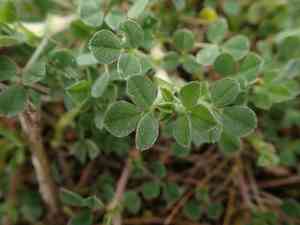
Tifton bur clover (Medicago rigidula)
Also known as: Tifton medick
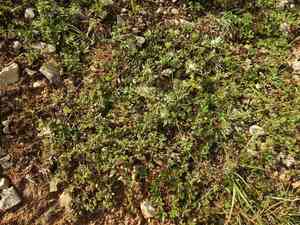
**Tifton bur clover** is a hardy legume known for its small, bright yellow flowers and its ability to thrive in dry, arid, or semi-arid environments. Its compact growth habit and sturdy stems help it endure harsh conditions. This plant is characterized by compound leaves with narrow leaflets and distinctive coiled, spiky seed pods, which aid in effective seed dispersal in tough habitats.
In This Article
Attributes of Tifton bur clover
Lifespan
Annual
Plant Type
Herb
Plant Height
15-50 cm
Spread
Not applicable
Leaf Color
Green
Flower Size
5-8 mm
Flower Color
Yellow
Images of Tifton bur clover
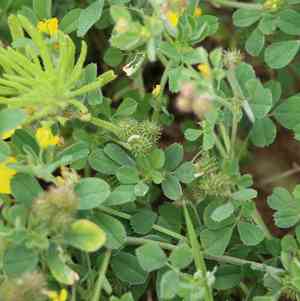
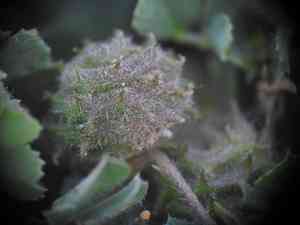
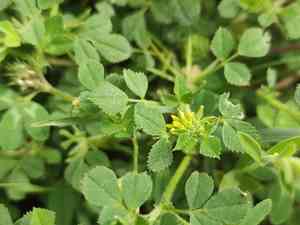
Quickly Identify Tifton bur clover
1
Medicago rigidula can be identified by its small trifoliate leaves and rigid stems. The leaves are divided into three leaflets, each about 1-2 cm long. The plant produces small yellow flowers that develop into spirally coiled seed pods.
Scientific Classification of Tifton bur clover
Phylum
Vascular plants
Class
Dicotyledons
Order
Fabales
Family
Legume
Genus
Medicks
Species
Tifton bur clover
Planting and Growing of Tifton bur clover
Care Difficulty
Easy
Watering Schedule
Every 2 days
Sunlight Requirements
Full sun
Sunshine Duration
6-10 hours
Ideal Temperature
60-75℉
Soil Type
Potting Mix, Peat Mix
Soil pH
6.5-7.5
Fertilizer Type
Balanced
Pruning Season
Spring, Summer
Pruning Area
Branches, Leaves
Pruning Frequency
2 times a year
Repotting Season
Spring
Pot Type
Plastic, Ceramic
 How to Water Tifton bur clover?
For Medicago rigidula, ensure the soil is moist but not waterlogged. A good rule of thumb is to water until 250 milliliters have been absorbed, allowing the excess to drain entirely. It's vital to prevent standing water, as it can lead to root rot.
What are the symptoms of an underwatered Tifton bur clover?
›
What should I do if my Tifton bur clover is not getting enough water?
›
What are the symptoms of an overwatered Tifton bur clover?
›
How to save an overwatered Tifton bur clover?
›
 What Are the Sunlight Requirements for Tifton bur clover?
Medicago rigidula thrives best in full sun. Access to ample sunlight enhances photosynthesis, providing energy for growth and strong development. Such exposure is vital for achieving its full ornamental and agricultural potential.
What kind of sunlight does Medicago rigidula prefer?
›
How can you achieve ideal sunlight conditions for Medicago rigidula?
›
What are the benefits of optimal sunlight exposure for Medicago rigidula?
›
 What Is the Ideal Temperature Range for Tifton bur clover?
The ideal temperature range for growing Medicago rigidula is between 60°F and 75°F. These temperatures are optimal for the plant's growth and metabolic processes. In this range, photosynthesis and nutrient absorption are efficient, promoting healthy development and flowering.
 What Soil is Best for Tifton bur clover?
Medicago rigidula thrives in well-drained soil conditions, ensuring that water does not stagnate around the roots. This reduces the risk of root rot and other diseases, promoting healthier growth. While Medicago rigidula can survive in nutrient-poor soils, a nutrient-rich environment boosts its resilience and growth. Incorporating compost or organic matter enriches the soil’s fertility, leading to better yields. This plant prefers soil that retains moderate moisture. It's crucial to keep the soil neither too dry nor too wet to maintain optimal hydration, preventing stress and promoting lush growth.
 How to Fertilize Tifton bur clover?
When fertilizing Medicago rigidula, it is crucial to use a balanced approach, considering the plant's growth stage and condition. On average, apply 1/4 strength liquid fertilizer per growing season to avoid over-fertilization, and adjust accordingly based on plant response.
 How to Prune Tifton bur clover?
Start by assessing the overall shape and size of your Medicago rigidula. Use clean, sharp pruning shears and begin cutting away any dead or diseased stems. Focus on removing older growth to encourage new shoots, making cuts just above leaf nodes to stimulate branching. Aim to maintain an open structure for better light penetration. While shaping, remove any crossing branches to prevent wounds or fungal infections.
More About Pruning Techniques→
 How to Propagate Tifton bur clover plant?
1
Collect seeds from mature Medicago rigidula plants after flowering. Choose seeds that are healthy and plump as they have a higher germination rate.
2
Sow the seeds in a seed tray filled with potting mix. Ensure the seeds are evenly spaced and covered with a thin layer of soil. Water gently after sowing.
3
Place the seed tray in a warm, sunny location. Maintain a consistent temperature and moisture level to encourage germination, which usually occurs within 7-14 days.
 How to Repot Tifton bur clover plant?
1
Medicago rigidula needs repotting when it becomes root-bound—roots growing out of drainage holes or circling the pot base. Additionally, if the plant seems stunted or drains water too quickly, it's time for a larger pot.
2
Select a pot that is 2-3 inches larger in diameter than the current pot, with adequate drainage holes. A slightly larger pot prevents overwatering and allows the roots to expand comfortably, enhancing growth and stability.
3
Opt for a well-draining sandy loam soil. This composition offers excellent aeration and drainage, preventing root rot and providing essential nutrients to sustain healthy plant growth over time.



