How to Prune Bigleaf magnolia?
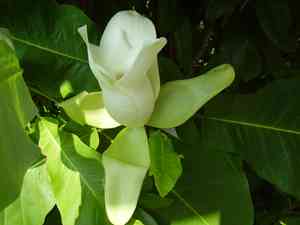
Recognized for its expansive foliage and impressive blossoms, the bigleaf magnolia thrives with proper trimming to preserve its form and stimulate vigorous well-being. Crucial pruning activities should occur in late winter or early spring, focusing on removing deceased or intersecting limbs to improve air movement and light exposure. Thoughtful reduction of the crown can lessen wind impact, promoting sturdy development. Pruning should be done sparingly to avoid excessive thinning, as the bigleaf magnolia reacts most favorably to limited intervention.
Advantages of Trimming Bigleaf Magnolia
Advantages of Trimming Bigleaf Magnolia
Trimming bigleaf magnolia promotes robust development and helps maintain its attractive form. By selectively removing excess growth, bigleaf magnolia can direct more energy to new, healthy branches, enhancing its inherent shape and beauty.
Optimal Period for Pruning Bigleaf Magnolia
Optimal Period for Pruning Bigleaf Magnolia
These periods are considered ideal because pruning bigleaf magnolia in early spring or late winter aligns with the plant's dormant state, reducing stress and sap loss. Pruning before new growth begins allows for quicker wound healing and lowers the risk of infection. Furthermore, the absence of leaves at this time offers better visibility to assess the plant's structure and make precise cuts to encourage a healthy growth pattern and improve flowering.
Necessary Tools for Pruning Bigleaf Magnolia
Bypass Pruners
Perfect for making clean cuts on smaller stems and branches of bigleaf magnolia, ensuring minimal harm to the plant's tissues.
Lopping Shears
Best for cutting larger branches of bigleaf magnolia that are too thick for bypass pruners, providing leverage and increased cutting power.
Pruning Saw
Crucial for cutting through the thickest branches of bigleaf magnolia, allowing for precise control when removing larger limbs.
Pole Pruner
Useful for reaching higher branches of bigleaf magnolia without needing a ladder, enhancing safety during pruning.
Gloves
Protect the gardener's hands from scratches and sap while pruning bigleaf magnolia, also ensuring a better grip on tools.
Garden Disinfectant
For sanitizing pruning tools before and after use on bigleaf magnolia to prevent disease transmission.
How to Prune Bigleaf Magnolia
Step1: Prepare and Sanitize Pruning Tools
Gather the required tools for pruning bigleaf magnolia. Use sharp, clean pruning shears for smaller branches and a pruning saw for larger limbs. Ensure all tools are disinfected to prevent disease spread.
Step2: Prune in Late Winter or Early Spring
Determine the best time to prune bigleaf magnolia, which is late winter or early spring before new growth emerges. Pruning during this dormant phase helps prevent tree stress and reduces the risk of disease infection.
Step3: Identify and Check for Dead Wood
Carefully inspect bigleaf magnolia for dead wood, which typically appears dry, brittle, and may be discolored. Test by scratching the bark; living tissue will be green underneath.
Step4: Prune Dead Wood While Preserving Branch Collar
Remove dead wood by making clean cuts just outside the branch collar, the swollen area where the branch meets the trunk or a larger limb. Avoid cutting into the collar to prevent damaging healthy tissue.
Step5: Detect and Remove Diseased Limbs
Identify diseased limbs on bigleaf magnolia by looking for signs of discoloration, cankers, or unusual growths. These should be removed promptly to prevent spread to healthy parts of the tree.
Step6: Sterilize Tools After Cutting Diseased Limbs
Cut diseased limbs using the same method as dead wood, but ensure pruning tools are cleaned with a solution of one part bleach to nine parts water after each cut to avoid contaminating healthy branches.
Step7: Identify and Prune Weak Branches
Look for weak branches on bigleaf magnolia, which may include those that are thin, crossing or rubbing against other branches, or growing at awkward angles that threaten the tree's form or stability.
Step8: Ensure Proper Cut Angle for Healing
Prune weak branches by cutting them back to their origin on a main branch or to a lateral branch strong enough to assume the terminal role. Aim for a clean, angled cut that allows water to run off the wound to promote healing.
Step9: Periodically Assess Tree Shape and Balance
Step back regularly to evaluate the overall shape and balance of bigleaf magnolia. Avoid over-pruning; typically, no more than 15-20% of the canopy should be removed in a single year.
Step10: Clean Up Pruning Debris
Conclude the pruning session by clearing all removed material from around bigleaf magnolia to reduce the risk of disease and pests. Dispose of it properly, especially if it contains diseased limbs or foliage.
Step11: Monitor Tree Health Post-Pruning
Observe bigleaf magnolia after pruning for signs of stress or disease. Provide appropriate care, such as watering during dry periods and applying mulch around the base, to support healthy regrowth.
Aftercare for Bigleaf Magnolia Following Pruning
Aftercare for Bigleaf Magnolia Following Pruning
Immediately after pruning bigleaf magnolia, ensure a clean environment to reduce infection risks. Manage light exposure by placing bigleaf magnolia in filtered sunlight, mimicking its natural understory habitat. Maintain consistent humidity and an appropriate temperature range for bigleaf magnolia to prevent stress. Apply a balanced, slow-release fertilizer to replenish nutrients and aid recovery. Regularly inspect pruning sites for signs of disease or distress. If abnormalities are detected, promptly apply a suitable fungicide/insecticide and consult an expert for severe issues.
Common Pruning Errors with Bigleaf Magnolia
Disregarding Plant's Natural Form
Not considering the natural shape of bigleaf magnolia when pruning, leading to an unnatural appearance or harm to the tree's structure.
Excessive Pruning
Removing too much at once, which can stress bigleaf magnolia and potentially lead to disease or weak growth.
Using Dull or Contaminated Tools
Using blunt or dirty pruning tools, which can result in jagged cuts and introduce pathogens to bigleaf magnolia.
General Pruning Advice for Bigleaf Magnolia
Clean and Sharp Pruning Tools
Utilize clean, sharp tools for pruning bigleaf magnolia to ensure clean cuts that heal quickly, minimizing disease risk.
Prune Dead or Damaged Branches Sparingly
Target only dead or damaged branches for removal, and be conservative with cutting to maintain bigleaf magnolia's health and structural integrity.
Prune Above Outward-Facing Buds
Make pruning cuts just above a bud facing the outside of the plant to encourage bigleaf magnolia to develop a more open structure and enhance airflow.



