How to Prune Rough bugleweed?
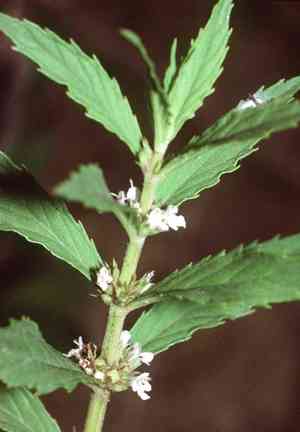
A perennial herbaceous plant distinguished by its serrated leaves and clustered blossoms, rough bugleweed flourishes with trimming in late spring or early summer subsequent to blooming. Trimming fosters more compact development and robust foliage. Sever the faded flower stalks and eliminate any frail or compromised stems to stimulate energetic new growth. Consistent pruning also aids in preserving its form and deters rough bugleweed from spreading aggressively. This regimen is crucial for both visual attractiveness and the plant's general well-being.
What Are the Benefits of Pruning Rough Bugleweed?
What Are the Benefits of Pruning Rough Bugleweed?
Trimming rough bugleweed promotes robust development and maintains its desired shape. Regular cutting helps prevent excessive growth, improves air circulation, and boosts the plant's overall health and visual appeal.
What Is the Best Time for Pruning Rough Bugleweed?
What Is the Best Time for Pruning Rough Bugleweed?
Pruning rough bugleweed in spring and early summer aligns with its active growth period, fostering strong regrowth and ensuring the plant stays healthy and vibrant. Spring pruning, after any frost risk, is especially beneficial as it stimulates new growth that can be easily shaped and managed. Early summer pruning, however, should be done carefully to avoid disturbing the plant during its blooming phase, thus ensuring the plant's energy is directed towards growth and recovery rather than seed production.
What Tools Do I Need to Prune Rough Bugleweed?
Bypass Pruners
Perfect for making clean cuts on rough bugleweed's softer stems without causing harm. These pruners operate like scissors, with two sharp blades passing each other, which is ideal for ensuring precise cuts on living tissues without crushing them.
Hand Shears
Suitable for shaping and trimming rough bugleweed into desired forms or removing denser foliage. The longer handles provide leverage, making it easier to prune thicker branches that may occasionally appear.
Garden Scissors
Useful for snipping off dead or yellow leaves from rough bugleweed. Garden scissors are finer and more precise, allowing detailed work without harming the surrounding stems.
Pruning Saw
Recommended for cutting through thicker, woody stems of rough bugleweed that bypass pruners and shears cannot handle. This tool helps manage older growth and maintain plant health by removing dead or overgrown branches efficiently.
How to Prune Rough Bugleweed
Identify
Identify and evaluate the specific areas on rough bugleweed that need attention, focusing on diseased leaves, withered leaves, and diseased stems. Carefully inspect each part to ensure accurate identification without missing any hidden issues under dense foliage.
Sanitize
Before starting the pruning process, sanitize all pruning tools. Use either alcohol or a 10% bleach solution to disinfect shears, snips, or knives. This step prevents the spread of any diseases and pathogens from infected parts of rough bugleweed to healthy ones.
Remove leaves
Carefully remove diseased and withered leaves from rough bugleweed, using sharp pruning shears. Make clean cuts at the base of each leaf to avoid tearing, which could further stress the plant and create openings for disease to enter.
Remove stems
Prune diseased stems by making cuts at least several inches below the affected area, ensuring you reach healthy, uninfected tissue. If the entire stem is compromised, remove it at the base, being cautious not to damage the main root system of rough bugleweed.
Cleanup
After all diseased and withered parts have been removed, thoroughly clean up all debris from around rough bugleweed. Dispose of or destroy infected material properly to prevent any diseases from recurring or spreading in the garden.
Common Pruning Mistakes with Rough Bugleweed
Over-pruning
One frequent mistake is removing too much of rough bugleweed's foliage at once, which can significantly stress the plant, leading to reduced vigor and growth.
Improper cut locations
Cutting rough bugleweed indiscriminately without considering the natural node points can inhibit proper regrowth or lead to unsightly, unproductive shoots.
Using dull tools
Employing dull or unclean pruning tools on rough bugleweed not only makes imprecise cuts but also increases the risk of spreading diseases between plants.
Common Pruning Tips for Rough Bugleweed
Selective pruning
Focus on removing only dead, damaged, or overgrown stems of rough bugleweed, which helps maintain plant health and encourages more robust new growth.
Consider plant architecture
Aim to enhance rough bugleweed's natural shape by pruning strategically; this practice keeps the plant looking tidy and supports its natural growth patterns.
Clean pruning tools
Before and after pruning rough bugleweed, always clean and sharpen your tools to ensure precise cuts and minimize potential disease transmission.



