How to Propagate Rough bugleweed?
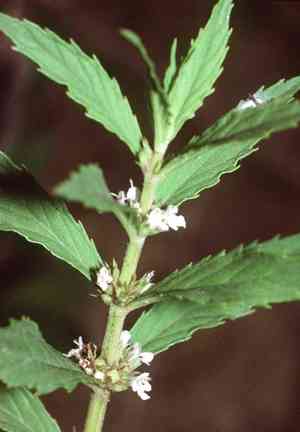
Rough bugleweed flourishes when reproduced through seeding. For peak development, ensure the use of porous soil and sustain steady hydration without oversaturation. A partially shaded location can boost sprouting success. Thoughtfully arrange the seeds to avoid congestion, promoting more robust growth and maturation.
Optimal Period for Rough Bugleweed Propagation
Propagation Method
Seeding
Propagation Period
Spring
Tools for Rough Bugleweed Propagation
Seed trays
Seed trays offer an organized, effective method for planting rough bugleweed seeds. These trays help maintain ideal spacing and depth for seed placement, ensuring each seed has sufficient room to sprout without competition. Their light weight and compact design also allow for easy handling and storage.
Sterile potting mix
A sterile potting mix is vital for sowing rough bugleweed to prevent seedling diseases and pests, fostering robust growth from the start. This medium ensures proper drainage and aeration, crucial elements for the delicate roots of germinating seeds.
Misting bottle
A misting bottle aids in gently watering newly sown seeds without causing erosion or displacing the soil. Maintaining consistent soil moisture is essential for rough bugleweed germination, and the fine spray from a misting bottle achieves this perfectly.
Heat mat
Placing seed trays on a heat mat can significantly boost the germination rate of rough bugleweed by maintaining a steady soil temperature. Especially in colder climates or seasons, a heat mat stimulates seed activity and encourages faster growth.
Transplanting trowel
Once rough bugleweed seedlings are large enough for transplanting, a transplanting trowel can be used to carefully lift and reposition them without harming the root system. Its narrow blade is designed for precise work in confined spaces, ideal for handling young plants with care.
How to Propagate Rough Bugleweed?
Propagation Type
Simple
Caring for Newly Propagated Rough Bugleweed
Caring for Newly Propagated Rough Bugleweed
After propagation, gradually introduce seedlings to outdoor conditions over a week before planting them in their permanent spot. Select a location with moist soil, ideally in partial shade, as rough bugleweed thrives in these conditions. Water regularly to keep the soil moist, especially during dry spells. Applying organic mulch around the base of rough bugleweed can help retain soil moisture and suppress weeds. Monitor for pests and diseases and manage them as needed to keep rough bugleweed healthy.
Common Errors to Avoid When Propagating Rough Bugleweed
Overwatering
Providing too much water to rough bugleweed during propagation can lead to root rot, a condition where roots decay due to excessive moisture. This reduces the plant's ability to absorb nutrients and water, impeding growth and potentially causing death.
Insufficient light
While rough bugleweed tolerates shade, inadequate light during the propagation phase can result in weak, elongated growth. This makes the plant more susceptible to diseases and generally less vigorous.
Using poor quality cuttings
Starting propagation with diseased or damaged rough bugleweed cuttings can lead to poor growth or failure to establish. Healthy cuttings are essential for robust development.
Neglecting to use rooting hormone
Skipping the application of rooting hormone on rough bugleweed cuttings may significantly decrease the chances of successful root development. Rooting hormone helps stimulate root growth and enhances propagation success.
Planting depth incorrect
Planting rough bugleweed cuttings or root divisions too deep or too shallow can affect their ability to settle and grow effectively. Incorrect planting depth can either expose roots to air, leading to desiccation, or bury them too deeply, which might suffocate them.
Tips For Propagating Rough Bugleweed
Proper watering regime
Maintain consistently moist but not waterlogged soil when propagating rough bugleweed. This balances the need for hydration without risking root rot, promoting healthier root development.
Adequate shade and light
Provide rough bugleweed with a balance of light and shade. Sufficient light supports vigorous growth, yet too much direct sunlight can be detrimental, especially in the initial stages of propagation.
Use healthy and vigorous cuttings
Select cuttings that are disease-free and vigorous for propagating rough bugleweed. This increases the likelihood of successful rooting and strong early growth.
Application of rooting hormone
Apply rooting hormone to the cut end of rough bugleweed cuttings before planting. This enhances root growth and improves overall propagation success rates.
Correct planting depth
Plant rough bugleweed cuttings and divisions at the appropriate depth to ensure optimal root protection and access to moisture. Follow general guidelines specific to the size of the plant material being used.



