How to Prune Lotononis pungens?
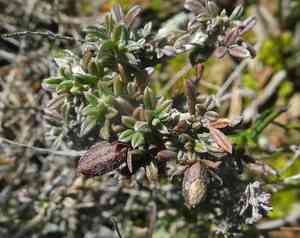
Lotononis pungens is recognized for its pointed leaves and dense development. Concentrate on minimal trimming in late winter or early spring to eliminate deceased or injured limbs and preserve its form. Refrain from extensive cutting, as this can adversely affect the plant. Pruning during these periods capitalizes on the plant's inherent growth pattern, fostering robust new shoots. Consistent upkeep aids in improving air circulation and light exposure, diminishing the likelihood of illness and encouraging lush, thick foliage.
Advantages of Trimming Lotononis Pungens
Advantages of Trimming Lotononis Pungens
Trimming lotononis pungens promotes vigorous development and maintains its form by eliminating dead or overgrown branches. This fosters robust new growth, enhances structural integrity, and ensures the plant remains visually appealing and manageable.
Optimal Period for Pruning Lotononis Pungens
Optimal Period for Pruning Lotononis Pungens
Pruning lotononis pungens in early spring or late winter is ideal as these times coincide with the plant's dormant phase or just before its active growth begins. Trimming during these seasons helps prevent stressing the plant during its peak growth or flowering periods, allowing it to recover and grow more robustly when the growing season commences. Early spring and late winter are also periods when the plant is less vulnerable to infections and pests, leading to healthier growth and development.
Necessary Tools for Pruning Lotononis Pungens
Hand pruners
Hand pruners are crucial for making precise cuts on small stems and branches, which is typical for lotononis pungens due to its relatively compact growth habit.
Bypass pruners
Bypass pruners are perfect for clean cuts that encourage healthy development, minimizing harm to the plant's tissues.
Loppers
Loppers offer the leverage needed to cut thicker branches that hand pruners cannot manage, useful for maintaining lotononis pungens's overall shape.
Pruning saw
A pruning saw is essential for cutting through larger, woody stems and branches that may be present in more mature lotononis pungens plants.
Gloves
Durable gardening gloves safeguard your hands from thorns and rough branches, ensuring safety while pruning lotononis pungens.
How to Prune Lotononis Pungens
Identify
Examine lotononis pungens carefully to locate diseased and withered leaves. Look for discoloration, wilting, or indications of fungal infections.
Prepare tools
Ensure your pruning shears or scissors are sterilized. Clean tools reduce the risk of spreading disease.
Remove diseased
Carefully cut off any diseased leaves near the base or where they attach to the stem. Dispose of these leaves away from the plant to prevent contamination.
Remove withered
Trim withered leaves by cutting them back to the healthy part of the plant, promoting better growth from the remaining foliage.
Cleanup
Gather and discard any removed leaves and debris from the pruning area. Clean your tools again to prevent potential disease spread to other plants.
Common Pruning Errors with Lotononis Pungens
Over-pruning
Removing too much foliage can stress lotononis pungens, leading to stunted growth and reduced flowering.
Improper Technique
Using dull or dirty tools can result in jagged cuts, increasing the likelihood of disease and pest infestations.
Pruning at the Wrong Time
Cutting back stems at incorrect intervals can disrupt the plant's natural growth cycle, though the specific season is not to be mentioned here.
General Pruning Advice for Lotononis Pungens
Use Sharp, Clean Tools
Always use well-maintained pruners or shears to make clean cuts, which help the plant heal faster and reduce the risk of infections.
Prune Gradually
Remove no more than one-third of the plantâs foliage at a time to avoid stressing lotononis pungens and to promote balanced growth.
Target Weak or Dead Branches
Focus on pruning out weak, dead, or damaged branches first to improve air circulation and overall plant health.
Make Angled Cuts
When cutting stems, make angled cuts just above a leaf node to encourage healthy regrowth and prevent water from sitting on the cut surface, which can harbor pathogens.



