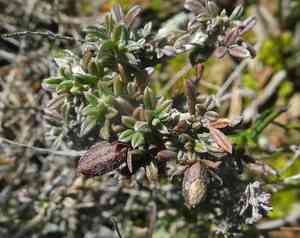
Lotononis pungens (Lotononis pungens)
Also known as: Notched-leaved Lotononis
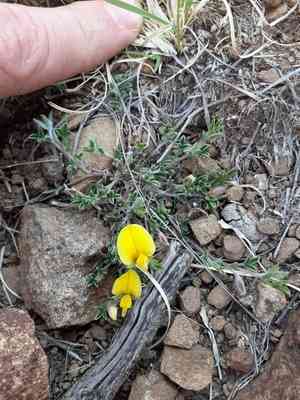
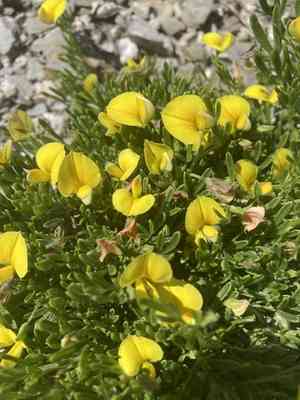
Lotononis pungens is characterized by its sharp, needle-like leaves, which form a protective barrier deterring herbivores. Its vivid yellow flowers exhibit a fiery radiance, alluring to pollinators, and flourish in open, sunny environments. The plant’s robust root system aids in nutrient absorption from the arid, often nutrient-poor soils it is typically found in.
In This Article
Attributes of Lotononis pungens
Lifespan
Perennial
Plant Type
Herb
Plant Height
0.3 - 0.5 meters
Spread
0.1 - 0.3 meters
Leaf Color
Green
Flower Size
0.5 - 1 cm
Flower Color
Yellow
Images of Lotononis pungens
Quickly Identify Lotononis pungens
1
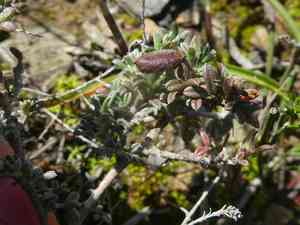
Plants can be identified by their notched leaves, small flowers, and the presence of tiny spines on the stems. The flowers are typically yellow and clustered.
Scientific Classification of Lotononis pungens
Phylum
Vascular plants
Class
Dicotyledons
Order
Fabales
Family
Legume
Genus
Lotononis
Species
Lotononis pungens
Planting and Growing of Lotononis pungens
Care Difficulty
Moderate
Watering Schedule
Every 2 days
Sunlight Requirements
Full sun
Sunshine Duration
6-10 hours
Ideal Temperature
65-77℉
Soil Type
Potting Mix, Peat Mix
Soil pH
6.5-7.5
Fertilizer Type
Balanced
Pruning Season
Spring, Summer
Pruning Area
Branches, Leaves
Pruning Frequency
2 times a year
Repotting Season
Spring
Pot Type
Plastic, Ceramic
 How to Water Lotononis pungens?
Lotononis pungens thrives best when its soil is kept moderately moist but not waterlogged. The aim should be to allow the top layer of soil to dry out slightly between watering sessions, then water enough to keep the root zone evenly moist. Around 150 milliliters of water is a suitable amount to use each time, ensuring the soil has properly absorbed the water by checking for moisture slightly below the top surface.
What are the symptoms of an underwatered Lotononis pungens?
›
What should I do if my Lotononis pungens is not getting enough water?
›
What are the symptoms of an overwatered Lotononis pungens?
›
How to save an overwatered Lotononis pungens?
›
 What Are the Sunlight Requirements for Lotononis pungens?
Lotononis pungens thrives in full sun conditions, which fosters optimal growth and flowering. Sunlight feeds the photosynthetic process, bolstering energy production and leading to a healthy, vibrant plant with robust foliage and resilience to environmental stressors.
Solution for Ideal Light Conditions
›
How to Implement Ideal Lighting
›
Benefits of Optimal Lighting
›
 What Is the Ideal Temperature Range for Lotononis pungens?
The ideal temperature range for Lotononis pungens cultivation is between 65°F and 77°F. This range ensures optimal growth and metabolic functions, providing energy efficiency and enhancing the plant's overall health. Maintaining consistent temperatures within this range can lead to better flowering and a more vibrant plant appearance.
 What Soil is Best for Lotononis pungens?
Lotononis pungens thrives in well-draining soil that prevents water from accumulating around its roots. This decreases the risk of root rot, ensuring healthy plant growth and enhancing its flowering potential. This plant fares well in soils with adequate organic matter, which provides necessary nutrients that support its growth. A robust nutrient profile promotes vigorous growth and resilience against environmental stresses. The plant benefits from soil that holds moisture adequately while not remaining soggy. This balance is crucial for the plant’s hydration needs without drowning its roots, thus maintaining optimal health and performance.
 How to Fertilize Lotononis pungens?
For Lotononis pungens, the amount of fertilizer should be carefully measured to avoid stress to the plant. Typically, use a diluted liquid fertilizer at a concentration of half the recommended strength every two weeks during the growing season. For slow-release fertilizers, apply at the manufacturer’s recommended rate in spring and mid-summer to maintain nutrient availability.
 How to Prune Lotononis pungens?
Begin by examining the plant for any dead or diseased branches. These should be removed first as they can harbor pests and pathogens. Cut them back to the base to ensure they do not affect healthy parts of the plant. After removing deadwood, focus on shaping the plant. Trim back any excessively long branches to maintain a balanced appearance. This encourages a denser, more attractive growth pattern and prevents the plant from becoming too leggy. Prune branches that cross or overcrowd each other to improve airflow. Better airflow reduces the risk of fungal infections and helps the plant dry more quickly after rain or watering.
More About Pruning Techniques→
 How to Propagate Lotononis pungens plant?
1
Start by soaking the seeds in lukewarm water for 24 hours to soften the seed coat. This process helps speed up germination by allowing moisture to penetrate the seed more easily.
2
Once soaked, plant the seeds in a seed starting tray filled with a seed-starting mix. Maintain even spacing between seeds to prevent overcrowding as they grow.
3
Place the tray in a warm location with indirect sunlight. Keep the soil consistently moist but not soggy, ensuring proper drainage to prevent root rot.
 How to Repot Lotononis pungens plant?
1
Repot Lotononis pungens when you notice roots growing through the drainage holes or if the soil retains excess moisture. Spring, Summer, and Autumn are optimal seasons as the plant is in active growth and can recover quickly. Avoid Winter, when the plant is dormant and less likely to adapt to new conditions.
2
Select a pot just a size larger than the current one. Ensure it has good drainage to prevent waterlogging. The material of the pot can vary, but terracotta is great for evaporation benefits, maintaining optimal moisture levels that suit the plant's needs, and adding aesthetic value to your green space.
3
Use a sandy, well-draining soil mix to mimic the plant's natural habitat. A cactus or succulent mix often suffices, amended with gritty sand or perlite. This prevents root rot, facilitates aeration, and supports healthy root development by ensuring water retention without saturation.
Learn More About Lotononis pungens Diseases
Anthracnose
Bacterial Leaf Spot
Bacterial Wilt
Crown Gall
Cyst Nematode
Damping-off
Downy Mildew
Drought Stress
Fusarium Wilt
Gray Mold
Leaf Spot
Mosaic
Nutrient Deficiency
Nutrient Toxicity
Powdery Mildew
Root Rot
Root-knot Nematode
Rusts
Sooty Mold
Spider Mites
Temperature Stress
Thrips Damage
White Mold
Chemical Injury



