How to Propagate Lotononis pungens?
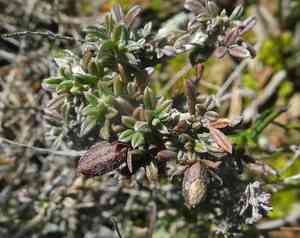
Lotononis pungens thrives in well-aerated substrates and requires abundant solar exposure. Reproduction is generally achieved by planting seeds, which ought to be lightly blanketed with earth and kept damp until sprouting. Employing a seed-starting blend that guarantees proper air circulation is recommended. Periodically examine young plants for indications of illness or infestations, and thin them to foster robust development. Supplying the soil with sufficient nourishment will aid in cultivating vigorous specimens.
Optimal Period for Lotononis Pungens Propagation
Propagation Method
Seeding
Propagation Period
Spring
Tools Required for Lotononis Pungens Propagation
Seed Trays
Utilized for planting seeds in a regulated setting. Seed trays assist in managing soil conditions, moisture, and temperature, offering a stable foundation for lotononis pungens seedlings to flourish.
Seed Starting Mix
A specialized growing medium that offers superb drainage and aeration, crucial for the germination of lotononis pungens seeds and robust root development.
Labeling Stakes
These are vital for tracking various stages of lotononis pungens propagation, particularly when handling multiple trays or batches. Proper labeling aids in maintaining organization and care routines.
Heating Mat
Delivers consistent warmth from below, which can enhance the germination rate of lotononis pungens by sustaining optimal soil temperature.
Humidity Dome
Employed to maintain elevated humidity levels around the seeds, which helps prevent desiccation and ensures a healthy microenvironment for the initial phases of lotononis pungens growth.
Fine Mist Sprayer
Ensures gentle and uniform watering of seeds and seedlings without dislodging them. Maintaining appropriate moisture is critical for the germination and early growth of lotononis pungens.
Thermometer Hygrometer
Monitors temperature and humidity levels within propagation environments to guarantee ideal conditions for lotononis pungens.
Sterile Scalpel or Blade
Helps create precise cuts when needed to remove weak or diseased seedlings, preventing the spread of pathogens in lotononis pungens.
Sterilization Tools
Includes items such as alcohol wipes for cleaning tools and trays to prevent infection and maintain a disease-free environment for lotononis pungens.
How to Propagate Lotononis Pungens?
Propagation Type
Simple
Caring for Your Newly Propagated Lotononis Pungens
Caring for Your Newly Propagated Lotononis Pungens
After germination, once lotononis pungens seedlings have developed a few true leaves, transfer them into individual containers with a well-draining potting mix. Provide moderate watering, ensuring the soil is never waterlogged. Position the pots in a bright location but shield young plants from extreme temperatures. As they mature, gradually introduce them to outdoor conditions before permanent planting. Regularly check for pests or diseases and ensure good air circulation.
Common Errors to Avoid When Propagating Lotononis Pungens
Overwatering
Excessive watering can lead to root rot and fungal issues, impeding the plant's ability to establish and thrive.
Poor soil drainage
Using soil that retains too much moisture hinders proper root development and can cause roots to suffocate.
Inadequate light
Insufficient light can result in weak, elongated growth, impacting the plant's overall health and vigor.
Improper cutting techniques
Using dull instruments or incorrect cutting angles can harm the plant and reduce the likelihood of successful propagation.
Neglecting pest control
Failure to monitor for pests can lead to infestations that weaken or kill young plants.
Tips For Propagating Lotononis Pungens
Use well-draining soil
Ensure the soil mixture has good drainage properties to prevent waterlogging and encourage healthy root growth.
Ensure adequate light
Place the plant in a location where it receives sufficient light, ideally bright, indirect sunlight, to promote strong growth.
Proper watering
Water the plant moderately, allowing the soil to dry slightly between waterings to avoid root rot.
Sterile tools
Use clean, sharp tools to make precise cuts, reducing the risk of infection and promoting faster healing.
Monitor for pests
Regularly check for pests and treat any infestations promptly to protect the plant and promote successful growth.



