How to Prune Rock flax?
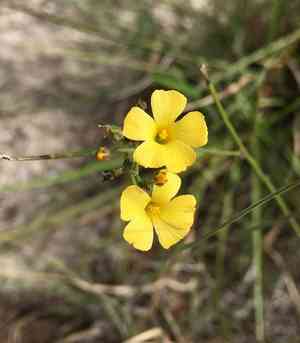
Rock flax exhibits fine, blue-green leaves and vivid blossoms. To ensure peak vitality, perform trimming in early spring or late winter. Begin by excising any lifeless or ailing stalks to enhance air circulation. Shorten any excessively long branches to preserve its structure and stimulate flowering. Refrain from severe cutting since rock flax develops at a more gradual pace. Trimming during these periods aids in controlling its form and averting sparse growth, guaranteeing a strong and visually appealing development pattern.
What Are the Benefits of Pruning Rock Flax?
What Are the Benefits of Pruning Rock Flax?
Trimming rock flax helps manage its size and form, encouraging robust growth and improved blooming. Regular trimming eliminates dead or diseased sections, boosting overall plant health and its resilience to pests and illnesses.
What Is the Best Time for Pruning Rock Flax?
What Is the Best Time for Pruning Rock Flax?
Pruning rock flax during early spring or late winter is optimal as these periods coincide with the plant's dormant phase. During dormancy, the plant's growth is minimal, which lessens the stress from pruning and allows rock flax to recover more effectively. Furthermore, pruning before the start of the growing season stimulates healthy new growth and can enhance flowering. Avoiding pruning during active growth and blooming periods ensures the plant's energy isn't diverted from producing flowers or fruits, maintaining its overall health and vigor.
What Tools Do I Need to Prune Rock Flax?
Bypass Pruners
Perfect for making clean cuts on live stems without crushing them, vital for maintaining rock flax's health. Best for deadheading and light trimming.
Pruning Shears
Useful for cutting dead or damaged stems. Essential for maintaining the overall shape and preventing disease in rock flax.
Snips/Scissors
Ideal for precise work on delicate parts of rock flax. These tools allow for detailed trimming in tight spaces.
Hand Saw
Used for removing thicker branches or older stems that cannot be cut with pruners or shears. Necessary for rejuvenation pruning in older strands of rock flax.
Gloves
Protect hands from sharp tools and potential irritants while pruning rock flax.
Rubbing Alcohol
Important for sanitizing tools between cuts to prevent disease spread in rock flax.
How to Prune Rock Flax
Inspection
Examine rock flax for any diseased or withered leaves. Early identification helps prevent disease spread.
Sanitization
Disinfect your pruning tools with a solution of one part bleach to nine parts water. This prevents potential pathogen transmission.
Remove diseased
Carefully remove diseased leaves by cutting at the base near the stem. Be sure to dispose of them away from other plants to prevent contamination.
Remove withered
Trim any withered leaves by making clean cuts at their base. Ensure not to injure healthy parts of rock flax.
Observe recovery
After pruning, observe rock flax over the next few weeks for signs of recovery or additional issues. This will help you take any further action needed promptly.
Common Pruning Mistakes with Rock Flax
Improper technique
Many gardeners err by using dull tools or making uneven cuts. These mistakes can harm the plant and make it vulnerable to disease.
Over-pruning
Removing too much of rock flax can weaken the plant, leading to poor growth and fewer flowers. It's essential to understand the specific needs of the plant.
Incomplete removal of dead or diseased parts
Failing to fully remove dead or diseased stems and leaves can allow infections to spread or persist, hindering the plant's overall health.
Neglecting airflow
Failing to prune in a way that promotes good airflow can lead to fungal infections and other moisture-related issues.
Common Pruning Tips for Rock Flax
Sharp and clean tools
Always use sharp and sterilized pruning shears to ensure clean cuts, which help prevent diseases and promote faster healing.
Moderate pruning
Aim to prune approximately one-third of the plant's growth. This allows you to control its size and shape without causing undue stress.
Way to encourage flowering
Cut back the stem just above a healthy bud to encourage more vigorous flowering. This technique helps direct the plant's energy to flower production.
Removing deadwood
Regularly remove any dead, damaged, or diseased branches. This practice not only tidies up the plant but also helps maintain its health and promotes new growth.
Ensuring adequate light and airflow
Prune strategically to allow light to reach the inner parts of the plant and to improve airflow, which reduces the risk of fungal infections.



