How to Propagate Rock flax?
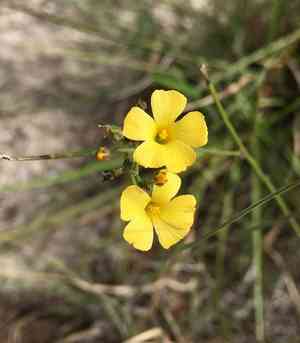
Rock flax, a hardy perennial from the Linaceae family, originates in stony terrains. To achieve successful propagation, disperse seeds directly onto porous soil, replicating its native surroundings. A thin layer of soil gently placed over the seeds can aid in their sprouting. Consistent irrigation provides adequate moisture without saturation, which is vital. Guaranteeing ample sunlight exposure fosters vigorous development and abundant blooms.
Optimal Period for Rock Flax Propagation
Propagation Method
Seeding
Propagation Period
Spring
Tools for Rock Flax Propagation
Seed Trays
Seed trays offer a regulated setting for planting rock flax seeds. They aid in managing moisture and temperature, vital for this species' germination.
Seed Compost
Employing premium seed compost guarantees proper drainage and nutrient supply, fostering robust seedling development for rock flax. It's specifically formulated to support the plant's delicate initial growth phases.
Spray Bottle
A spray bottle is crucial for sustaining consistent moisture levels without disturbing seeds in the tray. Rock flax particularly benefits from gentle watering to prevent seed displacement.
Propagation Mat
A propagation mat supplies bottom heat, which helps boost seed germination rates by maintaining an optimal and steady soil temperature, essential for rock flax seeds.
Plastic Domes
Plastic domes create a miniature greenhouse effect, helping to preserve humidity and warmth around seed trays, factors that significantly contribute to the successful germination of rock flax.
Labeling Stakes
Labeling stakes are important for tracking sowing dates and plant species, especially when propagating multiple varieties. Accurate labeling ensures rock flax seedlings are correctly identified and monitored throughout their growth stages.
Fine Sieve
A fine sieve is used to create a thin, even layer of compost over sown seeds, which is particularly beneficial for rock flax as it ensures seeds are not buried too deeply, allowing light to reach them if needed for germination.
Hand Trowel
A hand trowel is useful for filling seed trays with compost and making small drills for sowing seeds, providing precision and ease of use crucial for rock flax propagation.
Misting System
A misting system can be set up to automatically provide a gentle mist, ensuring consistent moisture without the risk of overwatering. This is particularly important for maintaining the delicate moisture balance required for rock flax.
How to Propagate Rock Flax?
Propagation Type
Simple
Caring for Your Newly Propagated Rock Flax
Caring for Your Newly Propagated Rock Flax?
Rock flax needs moderate watering once established, ensuring the soil stays slightly moist but not waterlogged. Provide ample indirect sunlight or partial shade, and fertilize sparingly with a balanced, diluted fertilizer during the growing season. Keep the area around the plant free from weeds to reduce competition for nutrients. Monitor for pests and address any issues promptly.
Common Mistakes to Avoid When Propagating Rock Flax
Incorrect Soil Mixture
Using dense or water-retentive soil can lead to poor drainage, causing root rot in rock flax.
Overwatering
Excessive watering can result in waterlogged soil, which is detrimental to the roots and hinders aeration.
Lack of Light
Insufficient light can impede growth and weaken the plant, preventing successful propagation.
Incorrect Cuttings
Taking cuttings from unhealthy or non-vigorous parts of the plant can reduce the chances of successful rooting.
Neglecting Humidity
Failing to maintain adequate humidity levels can cause the cuttings to dry out before they have a chance to root.
Tips For Propagating Rock Flax
Well-Draining Soil
Use a well-draining soil mixture, such as a combination of sand, perlite, and potting soil, to prevent water accumulation around the roots.
Moderate Watering
Water sparingly, allowing the soil to slightly dry out between waterings to avoid soggy conditions.
Adequate Light
Place the cuttings in a location with plenty of indirect sunlight to encourage healthy growth and rooting.
Healthy Cuttings
Select robust, disease-free cuttings from healthy parts of rock flax for better chances of successful propagation.
Humidity Control
Maintain a humid environment by using a misting bottle or covering the cuttings with a plastic dome to retain moisture.



