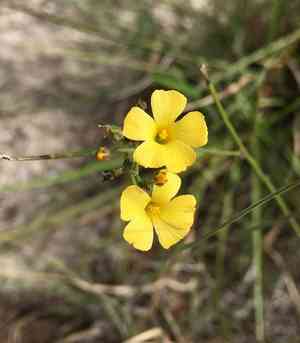
Rock flax (Linum rupestre)
Also known as: Mountain Flax, Rocky Flax
Rock flax is a hardy perennial herb that excels in rocky environments. Its slender, lance-shaped leaves and delicate blue flowers on flexible stems create a striking contrast against rocky landscapes. This plant flourishes in well-drained soils, with its deep root system anchoring securely in crevices, showcasing an impressive ability to survive in minimal conditions.
In This Article
Attributes of Rock flax
Lifespan
Perennial
Plant Type
Herb
Plant Height
10-30 cm
Spread
15-20 cm
Leaf Color
Green
Flower Size
1-2 cm
Flower Color
Blue or occasionally white
Images of Rock flax
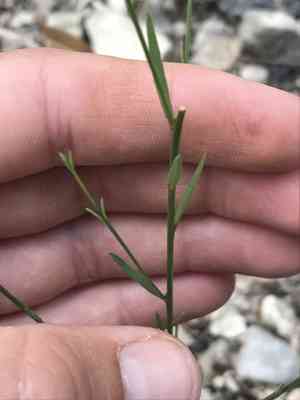
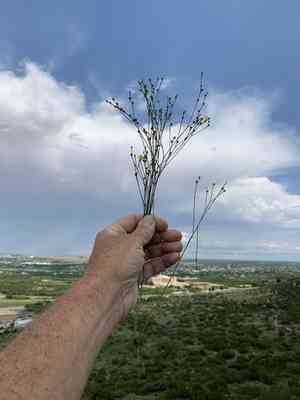
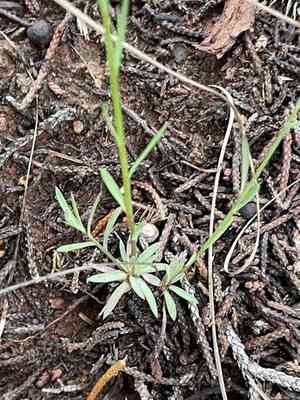
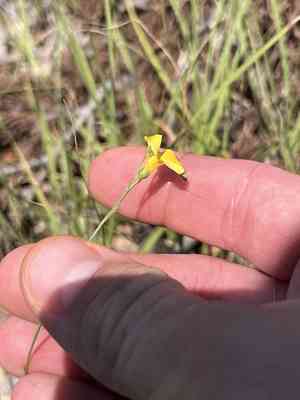
Quickly Identify Rock flax
1
Linum rupestre can be identified by its small, slender leaves and bright flowers, typically blue or sometimes white. The plant often grows in clusters and has a distinctive wiry stem.
Scientific Classification of Rock flax
Phylum
Vascular plants
Class
Dicotyledons
Order
Malpighiales
Family
Flax
Genus
Flaxes
Species
Rock flax
Planting and Growing of Rock flax
Care Difficulty
Moderate
Watering Schedule
Every 2 days
Sunlight Requirements
Full sun
Sunshine Duration
6-10 hours
Ideal Temperature
65-75℉
Soil Type
Potting Mix, Peat Mix
Soil pH
6.5-7.5
Fertilizer Type
Balanced
Pruning Season
Spring, Summer
Pruning Area
Branches, Leaves
Pruning Frequency
2 times a year
Repotting Season
Spring
Pot Type
Plastic, Ceramic
 How to Water Rock flax?
For Linum rupestre, each watering session should provide about 250 ml of water. This amount ensures that the soil stays moist but not soggy, mimicking the natural conditions this plant prefers. It's crucial to water deeply enough for the water to reach the root zone but avoid pooling on the surface.
What are the symptoms of an underwatered Rock flax?
›
What should I do if my Rock flax is not getting enough water?
›
What are the symptoms of an overwatered Rock flax?
›
How to save an overwatered Rock flax?
›
 What Are the Sunlight Requirements for Rock flax?
Linum rupestre needs full sun light exposure. Receiving this amount of natural light amplifies its blooming capability and supports a healthy, vigorous growth pattern.
What is the ideal sunlight for Linum rupestre?
›
How can one ensure Linum rupestre gets its ideal sunlight?
›
What are the benefits of providing ideal sunlight to Linum rupestre?
›
 What Is the Ideal Temperature Range for Rock flax?
The ideal temperature range for Linum rupestre is between 65 and 75 degrees Fahrenheit. This range ensures optimal growth and flowering, providing stability and the right environment for photosynthesis and nutrient uptake.
 What Soil is Best for Rock flax?
Linum rupestre thrives in well-drained soil to prevent root rot. Excess moisture can be detrimental, so ensuring proper drainage is vital for healthy growth. Well-drained soil benefits the plant by keeping roots healthy and robust. This plant prefers moderate levels of fertility. Rich soils can lead to excessive leafy growth with fewer blooms. Maintaining a balance in soil fertility supports optimal blooming and maintains the plant's natural compact shape. Linum rupestre can tolerate slightly alkaline conditions. It prefers a soil pH that gently leans towards alkaline, supporting its nutrient uptake and flowering potential, enhancing both its aesthetic appeal and health.
 How to Fertilize Rock flax?
For Linum rupestre, the fertilizer amount should be balanced to provide essential nutrients without overwhelming the plant. Typically, use a half-strength liquid fertilizer to avoid burning the roots and ensure gradual nutrient uptake.
 How to Prune Rock flax?
The best time to prune Linum rupestre is during late spring after its primary blooming phase and potentially again in early autumn. Avoid pruning in winter when the plant is essentially dormant, as this can hinder growth. Wear gloves to protect your hands. Begin by removing dead or damaged stems, cutting at an angle just above a healthy node or leaf pair. Trim back any wayward growth to encourage a tidy silhouette.
More About Pruning Techniques→
 How to Propagate Rock flax plant?
1
Begin by selecting a well-draining potting mix suitable for Linum rupestre. This includes a combination of peat moss, perlite, and sand to maintain moisture while allowing proper drainage to prevent root rot.
2
Sow the seeds evenly in the prepared seed tray, lightly covering them with soil. Maintain a consistent level of moisture and place the tray in a warm location to encourage germination.
3
Select healthy stems for cuttings during the growing season. Cut just below a node and remove any lower leaves. Dip the cut end in rooting hormone to enhance root development before planting in a small pot.
 How to Repot Rock flax plant?
1
Watch for roots poking out of the drainage holes or a slowdown in growth. These are clear signals that your Linum rupestre needs more space. After flowering, during spring, is an ideal time to repot, as the plant is in its active growth phase and will recover quickly.
2
Select a pot that's just one size larger than the current one to avoid excess soil, which retains moisture and can lead to root rot. Clay pots are ideal due to their porous nature, allowing for better air circulation and preventing overwatering, which Linum rupestre dislikes.
3
Opt for a well-draining, sandy mix that closely mimics its natural rocky habitat. This ensures proper aeration and drainage while providing enough nutrients to support healthy growth. Avoid heavy clay soils that can retain too much water and suffocate roots.



