How to Prune Beautiful flax?
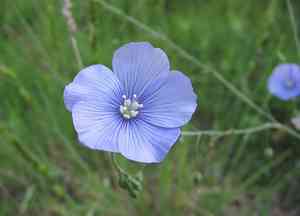
A perennial herbaceous plant featuring vibrant blue blossoms, lovely flax thrives with consistent trimming to preserve its form and vitality. Perform a light trim following the blooming period to foster more compact development. Removing faded flowers during the spring and summer months can stimulate ongoing bloom production. In autumn, reduce the plant to ground level to encourage robust new stems for the subsequent growing period. Trimming not only boosts visual attractiveness but also improves general plant well-being, diminishing the likelihood of illness.
What Are the Benefits of Pruning Beautiful Flax?
What Are the Benefits of Pruning Beautiful Flax?
Trimming beautiful flax promotes abundant flowering, stimulates vigorous development, and maintains a neat form. Timely cuts enhance vitality and aesthetic appeal, ensuring beautiful flax thrives with improved health and looks.
What Is the Best Time for Pruning Beautiful Flax?
What Is the Best Time for Pruning Beautiful Flax?
Pruning in Spring is optimal as beautiful flax emerges from dormancy, allowing gardeners to remove any dead or damaged growth from winter. This prepares the plant for healthy new growth and a strong flowering period. Conversely, Fall pruning is suitable for shaping the plant and removing spent flowers or seed heads after blooming, which helps prevent self-seeding and encourages a tidy plant form for the next season. Summer pruning is not recommended, as it can stress beautiful flax, especially during peak heat and active growth, potentially reducing its vigor and flowering potential.
What Tools Do I Need to Prune Beautiful Flax?
Bypass Pruners
Perfect for making precise cuts that help beautiful flax maintain a healthy shape. They are designed to cut through live plant material cleanly without crushing stems.
Shears
Appropriate for shaping beautiful flax when the plant requires thinning or a specific form. They allow for quick and efficient trimming of multiple stems.
Gloves
Though not a cutting tool, gloves protect the gardener's hands from scratches or irritations while pruning beautiful flax.
Cleaning Solution
A solution to clean the blades of pruning tools is essential to prevent the spread of diseases among beautiful flax specimens after cutting.
How to Prune Beautiful Flax
Detect
Regularly inspect beautiful flax for diseased leaves, withered leaves, and withered flowers to identify parts needing pruning.
Sanitize
Before beginning to prune beautiful flax, disinfect your pruning shears with alcohol to prevent the spread of any disease.
RemoveDiseasedLeaves
Carefully snip off any diseased leaves from beautiful flax at the base of the leaf stem, ensuring not to harm healthy adjacent foliage.
TrimWitheredLeaves
Remove withered leaves on beautiful flax by cutting them off at the base to encourage healthy growth and improve air circulation.
Deadhead
Deadhead beautiful flax by cutting off withered flowers just below the flower head to encourage more blooms and maintain a neat appearance.
Common Pruning Mistakes with Beautiful Flax
Over-pruning
Removing too much foliage from beautiful flax can weaken the plant, leading to poor growth and fewer blooms.
Sharpness of tools
Using dull pruning tools can result in jagged cuts, which can make beautiful flax more susceptible to disease and pest infestation.
Cutting location
Incorrect cutting, such as cutting too close to the main stem or leaving too long a stub, can hinder beautiful flax's healing process and result in unhealthy regrowth.
Pruning healthy growth
Trimming away healthy growth indiscriminately, instead of targeting just the dead or diseased parts, can deprive beautiful flax of its potential to flourish.
Disinfection of tools
Failing to disinfect pruning tools between plants can spread diseases to beautiful flax from infected plants.
Common Pruning Tips for Beautiful Flax
Selective pruning
Focus on removing only dead, diseased, or overgrown branches to promote better air circulation and light penetration for the health of beautiful flax.
Tool sharpness
Always use sharp, clean tools to make clean cuts that heal quickly, minimizing stress and damage to beautiful flax.
Angled cuts
Make angled cuts just above a bud or branching point to encourage water runoff and prevent rot in beautiful flax.
Thinning
Thin out crowded areas of the plant to reduce the likelihood of disease and to support the development of strong, vibrant flowers on beautiful flax.
Post-bloom trim
Trimming beautiful flax after flowering can stimulate a second bloom and help maintain a desirable shape while avoiding stress during its active growth periods.



